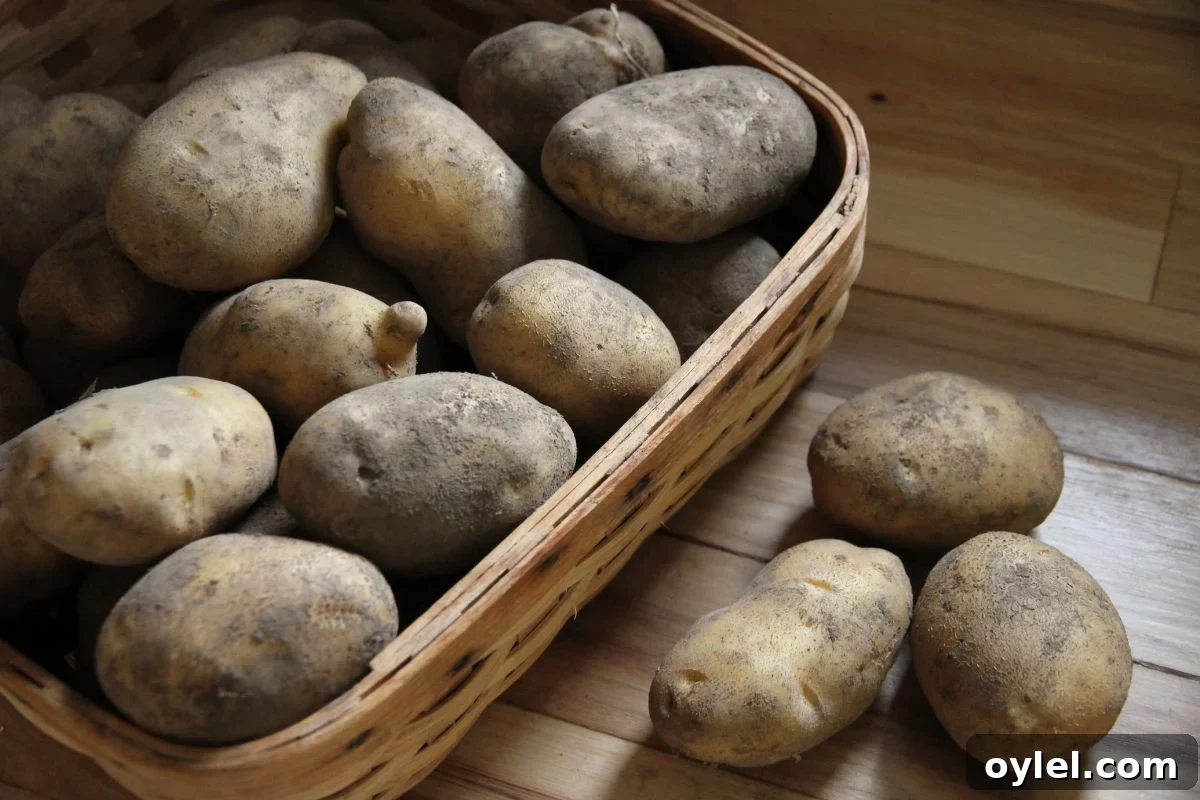
Learn how to harvest, cure, and store potatoes for winter so your family can enjoy fresh homegrown potatoes all season long.
Why You Should Store Garden Potatoes for Winter
Homegrown potatoes often taste better, retain more texture, and can be more nutritious than many commercially produced varieties. If you want flavorful potatoes through the winter, growing and storing your own is worth the effort.
Commercial potatoes are frequently treated with pesticides and other post-harvest treatments. For many gardeners, avoiding those treatments and knowing where their food comes from is a strong reason to grow and preserve their own crop.
Learning how to harvest, cure, and store potatoes for winter will let you eat quality potatoes months after the growing season ends.
Which Potatoes Are Best for Storage?
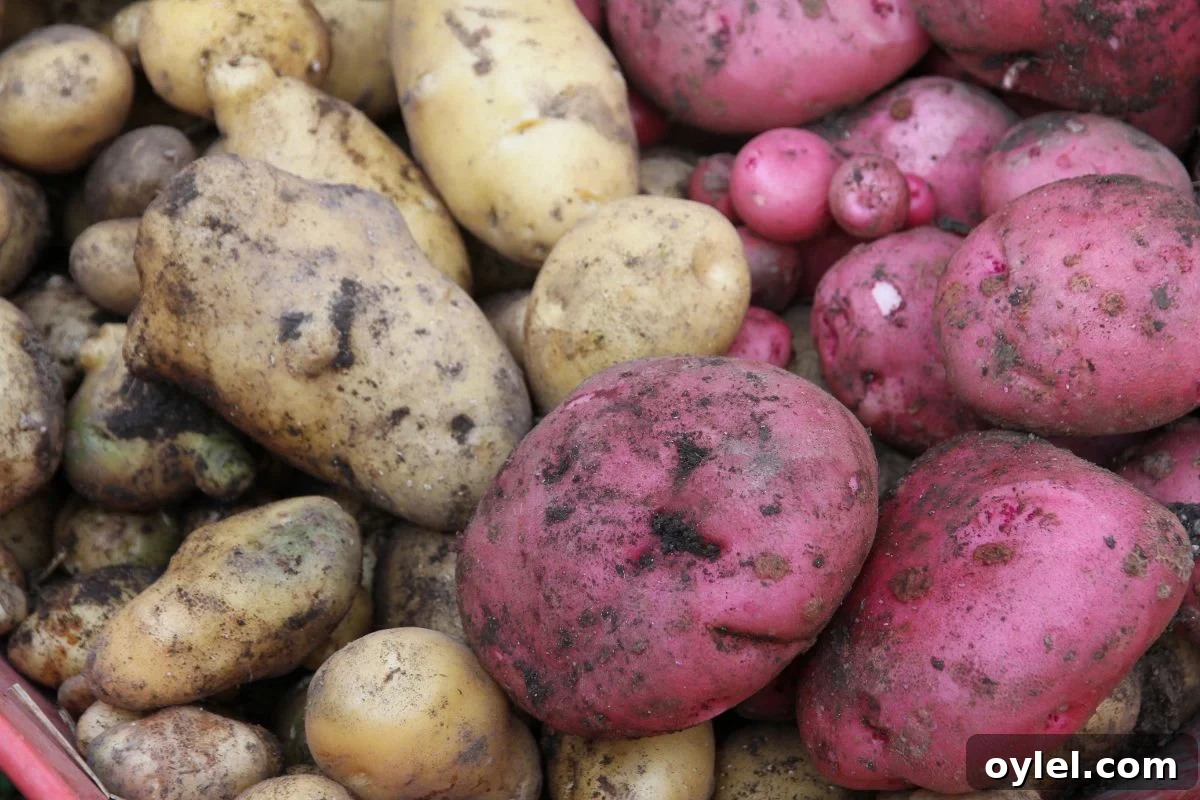
Not all potato varieties store equally well. Varieties with thicker skins and firmer flesh tend to keep longest, so if you plan to overwinter potatoes, choose late-season types commonly known as “winter keepers.” They hold up to curing and extended storage better than thin-skinned types.
Common varieties known for good storage qualities include:
- Kennebec
- Katahdin
- Red Pontiac
- Russian Purple
- Russian Burbank
- Warba
- Yukon Gold
How to Cure and Store Potatoes for Winter
If you already grow potatoes, you’re ready to learn the next steps: curing and storing so they last through the cold months. Proper curing allows damaged skins to heal, reducing rot and extending shelf life.
When to Harvest Potatoes for Winter Storage
For potatoes intended for long-term storage, harvest as late in the season as practical. Once tubers are removed from the ground their storage clock begins, so leaving them in the garden until vines die back or until the first hard frost (or until heavy rains make digging difficult) helps maximize their lifespan.
Avoid digging when soil is excessively wet, as muddy tubers are harder to cure and clean.
Tips for Harvesting Potatoes
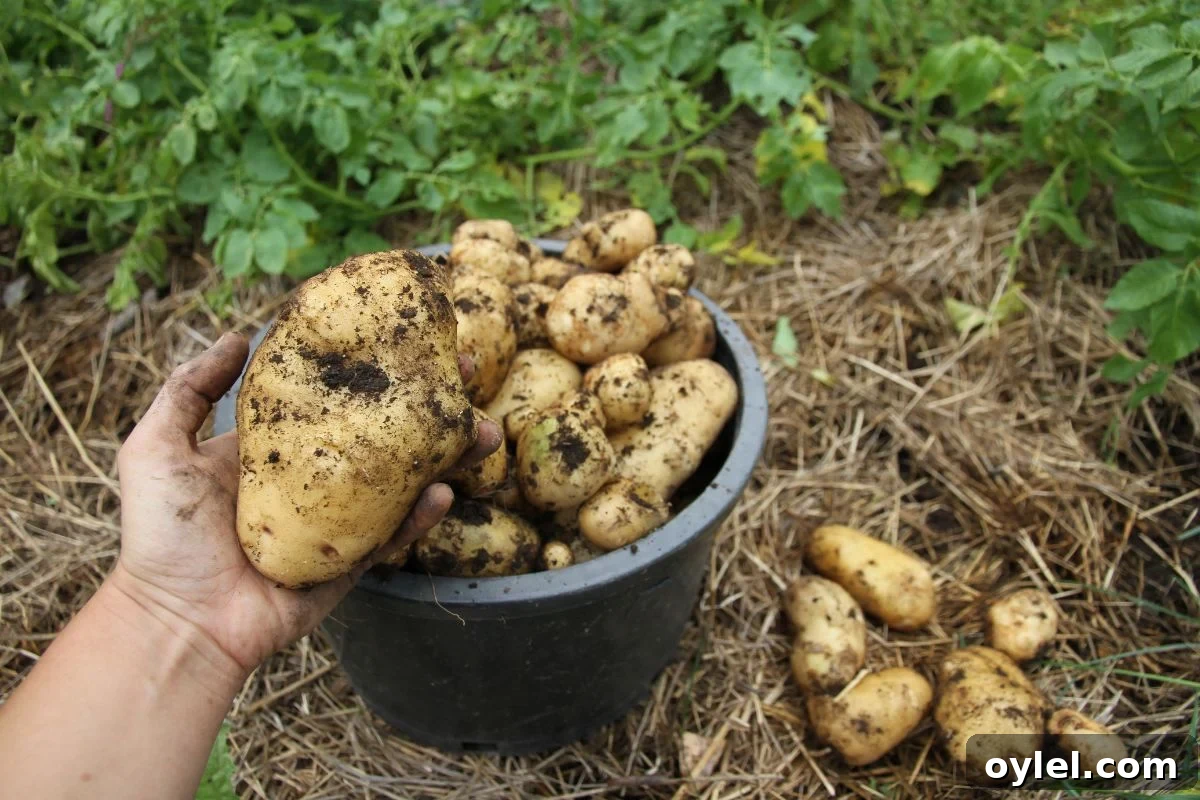
Careful lifting preserves the skin. Use hands, a shovel, or a fork, taking care not to cut or bruise tubers. If a potato is punctured or badly damaged, set it aside for prompt use rather than long-term storage.
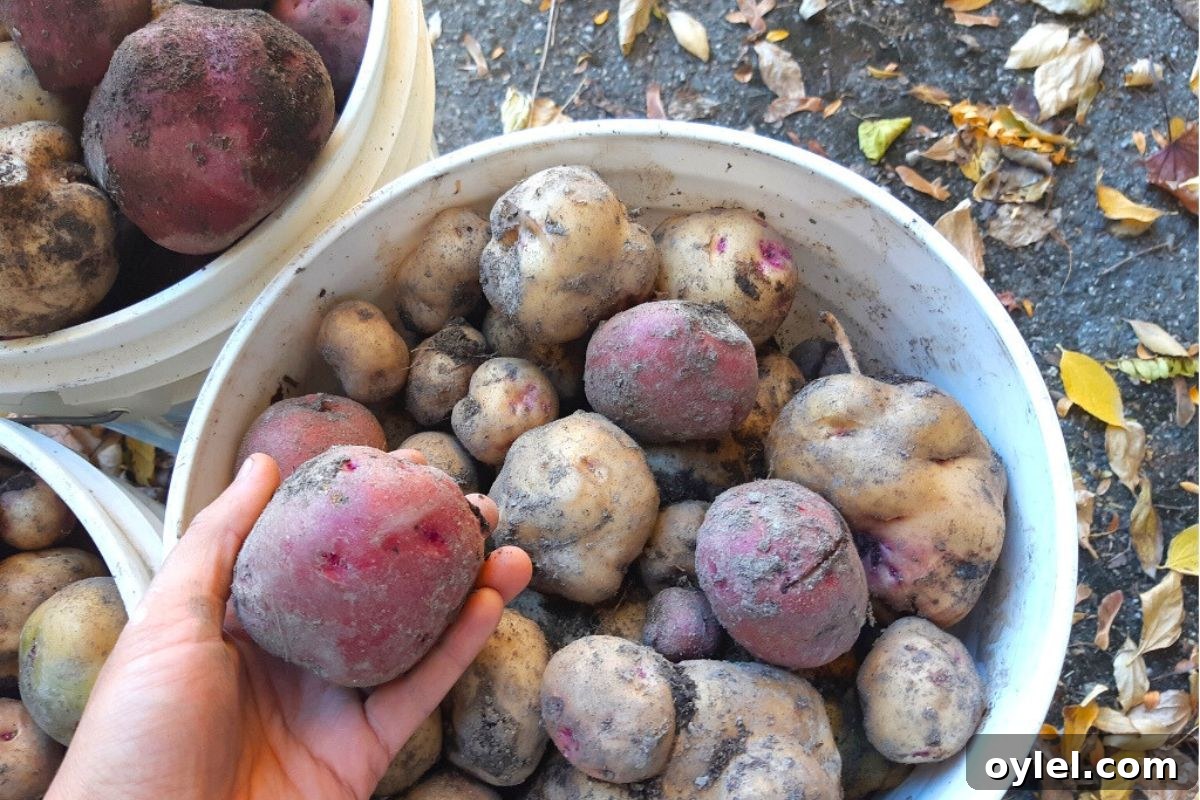
As you lift plants, collect tubers into buckets, boxes, or bins. Keep harvests in a shaded, dry place while you prepare them for curing.
Once harvested, the next important step is curing the potatoes so minor scratches and surface damage can heal.
Watch the Video Tutorial How to Harvest and Store Potatoes!
A video demonstration can be very helpful for visual learners; a filmed tutorial often shows lifting and curing techniques step by step.
Why You Should Cure Potatoes for Winter Storage
Curing allows the skin to thicken and minor harvest wounds to seal, which reduces moisture loss and the chance of rot. Properly cured potatoes keep much better in cold storage than freshly dug, uncured tubers.
How Do You Cure Potatoes?
The curing process is straightforward and requires only a warm, dark place and some patience:
- Choose a semi-warm location, around 60°F (16°C).
- Keep the area dark—cover windows or use a closed room to prevent light exposure.
- Lay down a drop cloth, an old sheet, or cardboard to catch falling soil.
- Spread potatoes in a single layer with space between them so air can circulate.
- Allow them to cure for 10–14 days, giving skins time to heal.
- After curing, clean off excess soil gently, sort out any soft or damaged tubers, and prepare for storage.
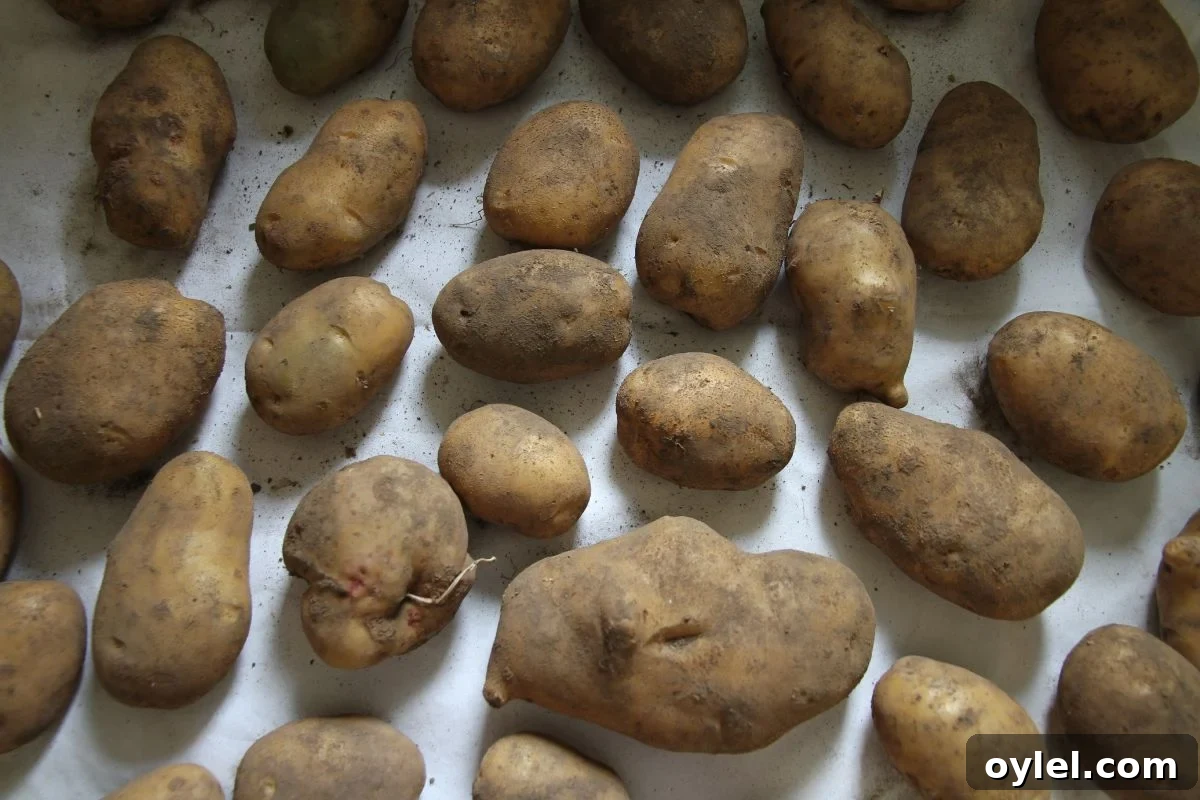
Curing locations can include a mudroom, basement, outbuilding, or any space that stays dry, dark, and moderately warm. Spread the potatoes on a cloth so you can easily gather and shake off the soil when they are ready—this keeps cleanup simple and helps you spot any tubers that are failing during the cure period.
Tips for Storing Your Potatoes
After curing, potatoes store best in a cool, dark, and slightly humid environment. Ideal storage features include temperatures near freezing but not below it—around 32–50°F (0–10°C)—and good ventilation to prevent moisture buildup.
Practical storage options include a cool cellar, an unheated closet, a shed that stays above freezing, or woven sacks that allow air circulation. Keep potatoes away from direct light to prevent greening, and protect the storage area from rodents.
When moving potatoes into the kitchen for use, carry them in a pail or container to limit dirt transfer and keep the process tidy.
In Conclusion
Curing and storing potatoes for winter is a simple, effective preserving method. With careful harvesting, a short curing period, and proper cool, dark storage, homegrown potatoes will provide fresh, nutritious food well into the winter months.
Taking the extra time to cure and store your own potatoes rewards you with better flavor, reduced dependence on commercial produce, and the satisfaction of feeding your family food you grew yourself.