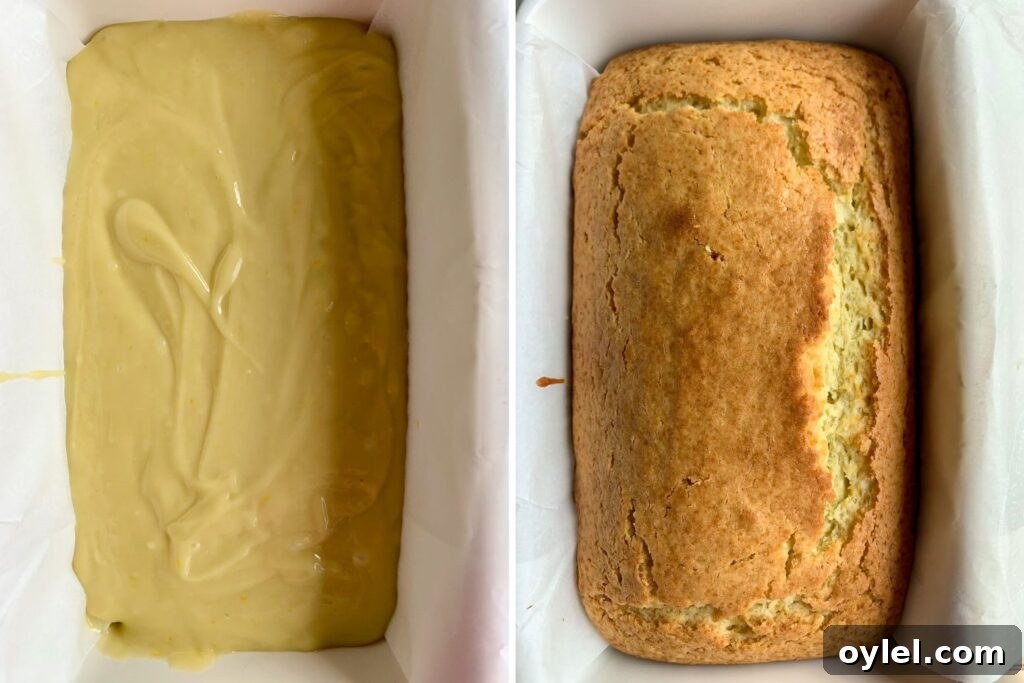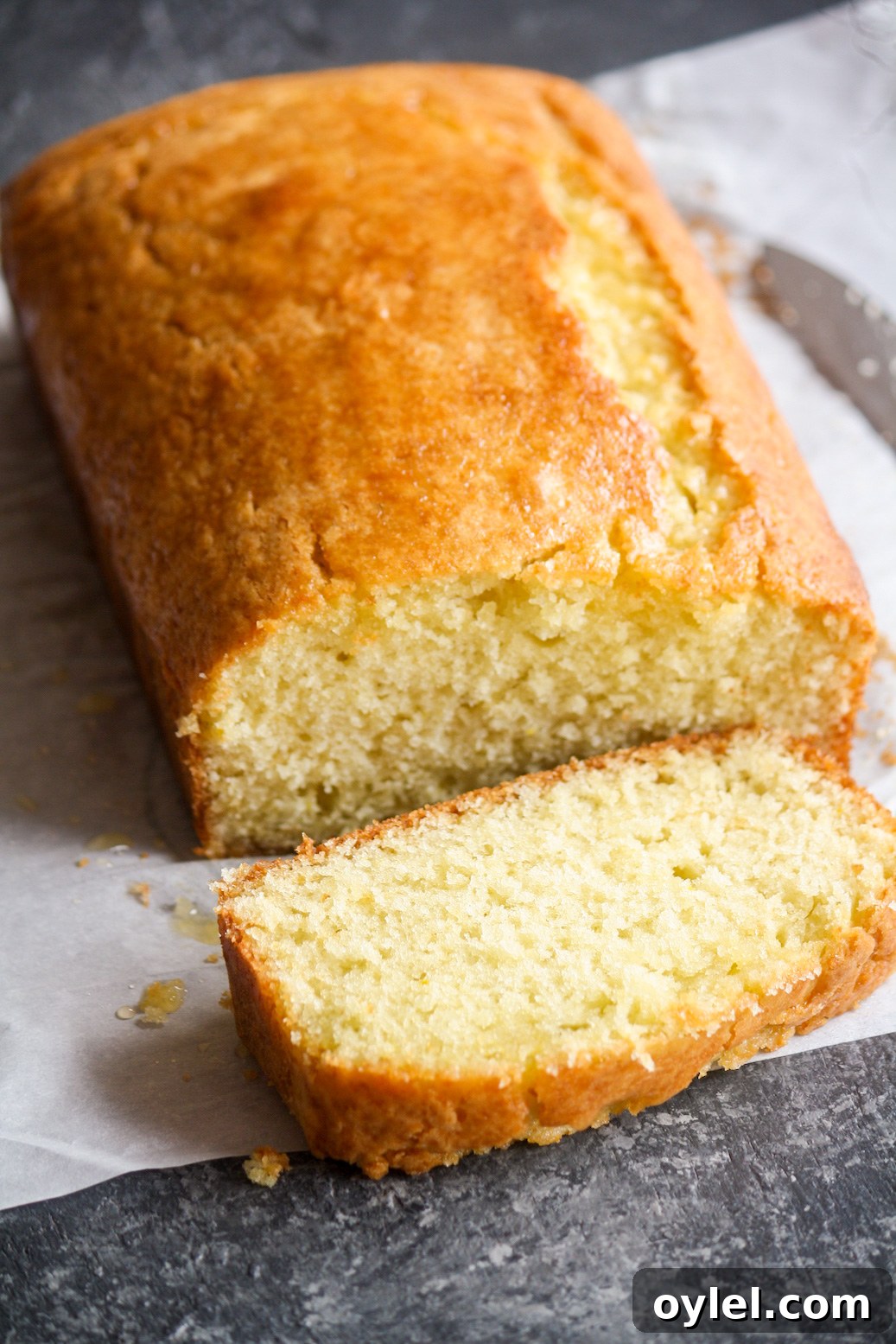
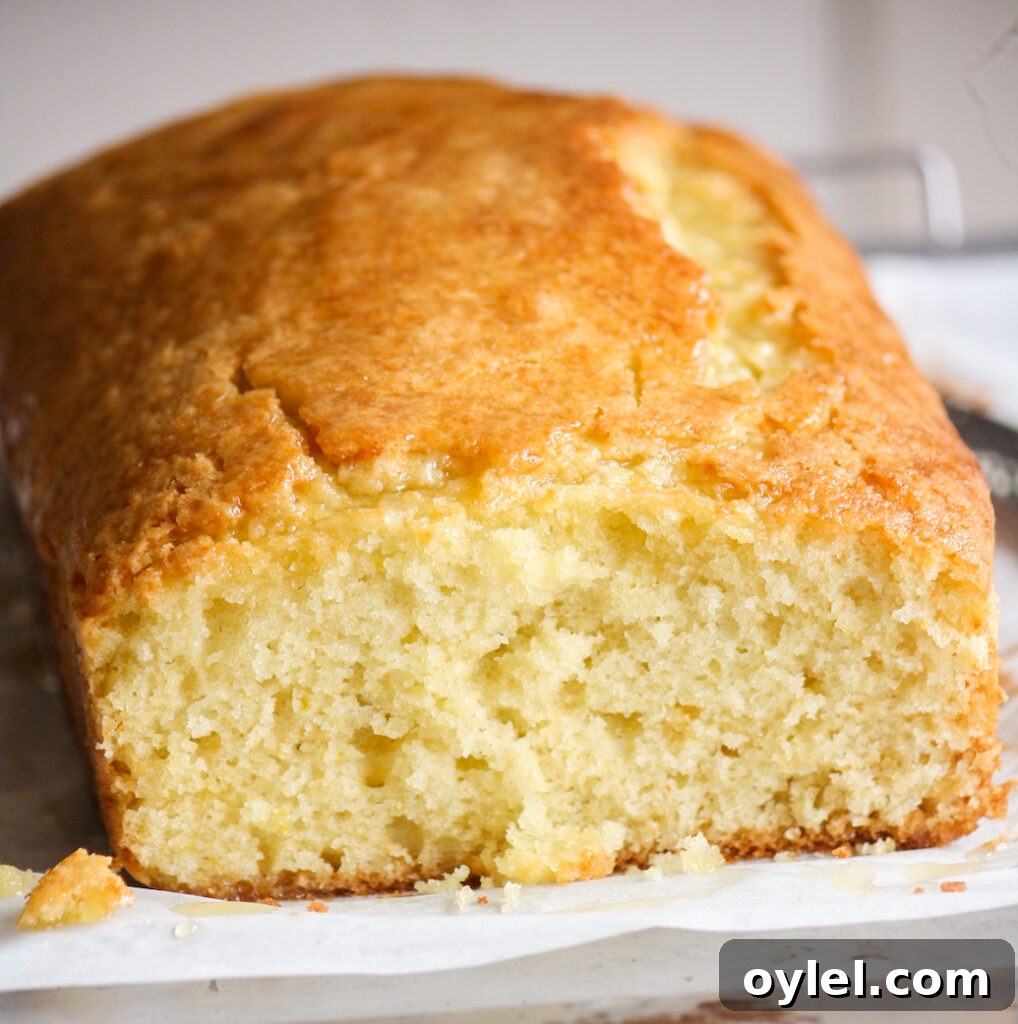
I couldn’t be happier with the first cake I baked in the new year. It’s beautifully soft and moist thanks to the olive oil and yoghurt, with a bright hint of orange. A light orange glaze adds extra flavour, but the cake is delicious on its own. Serve a slice with a cup of hot coffee for a perfect pairing.
I received The Perfect Cake cookbook for Christmas and immediately bookmarked several recipes to try. This olive oil cake was the first because it’s quick and simple to make. Cakes like this are common in Mediterranean baking and often pair well with citrus; I added fresh orange zest to the batter and adjusted the glaze so it’s thinner and less sugary. That way the glaze doesn’t form a hard crust but gently soaks into the top for an extra hit of orange.
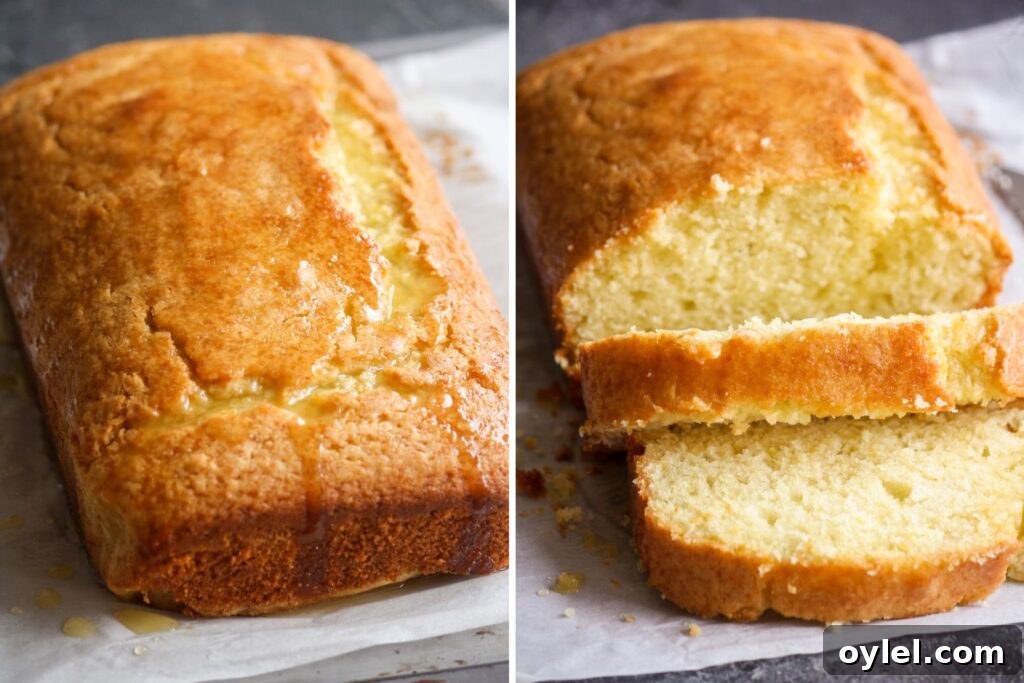
I halved the original recipe to bake this in a 9×5 inch loaf pan. Because the batter contains yoghurt, I substituted a little baking powder with baking soda to react with the acidity and produce a lighter crumb. The result is a tender, airy texture; if you prefer a tighter crumb, see the note in the recipe for an alternative leavening option.
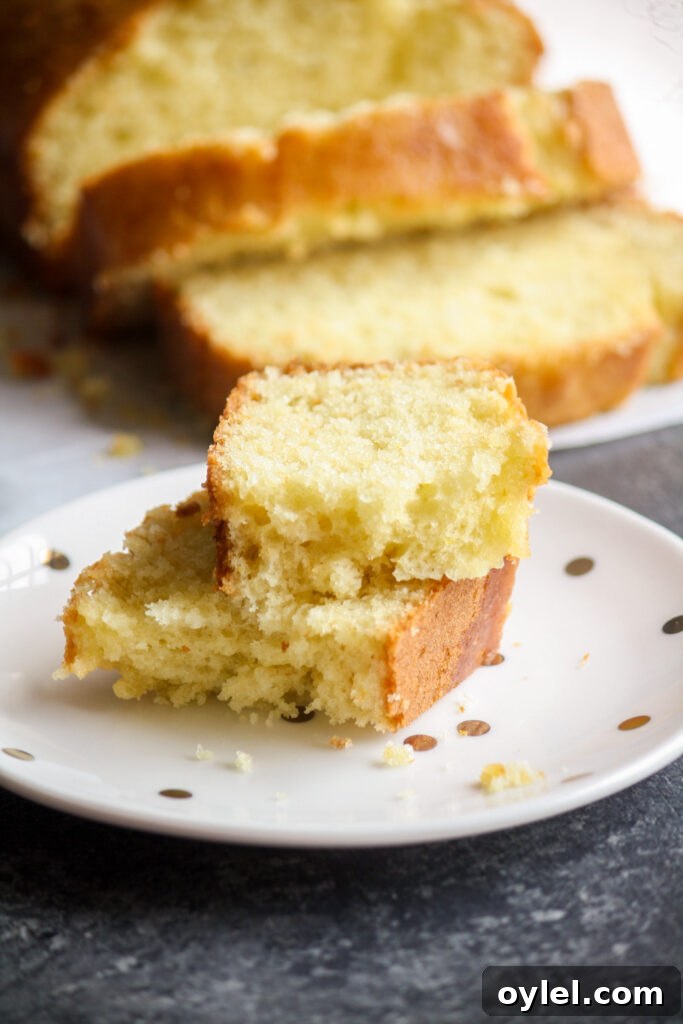
The olive oil flavour is prominent here, especially if you use extra-virgin. If you want the orange to play a stronger role, choose a mild or light olive oil and consider adding the zest of a second orange. Because this cake is very soft and moist, it must cool completely before slicing; cutting while warm will cause it to break. I also enjoy oil-based cakes chilled straight from the fridge.
Please read the recipe notes before beginning.
Orange Olive Oil Cake
Prep Time: 15 mins
Cook Time: 35 mins
Total Time: 50 mins
Makes: 10 slices
Ingredients
For the cake
- 1/2 cup + 1 tbsp caster sugar (about 100 g)
- Zest of 1 orange
- 2 eggs at room temperature (see notes)
- 1 tsp vanilla extract
- 1/2 cup + 1 tbsp extra-virgin olive oil (about 140 ml)
- 1/2 cup plain yoghurt at room temperature (about 115 g) — I used whole-milk yoghurt
- 1 and 1/2 cups all-purpose flour (about 180 g)
- 1 tsp baking powder
- 1/4 tsp baking soda (see notes)
- Pinch of salt
For the glaze
- 1/3 cup + 1 tbsp icing sugar (about 50 g)
- 2 tbsp fresh orange juice (about 30 ml)
Instructions
- Preheat the oven to 175°C. Line a 9×5 inch loaf pan with non-stick baking paper, leaving a little overhang for easy removal.
- In a mixing bowl, combine the sugar and orange zest and rub them together to release the oils and fragrance from the zest. Add the eggs and whisk until lighter and frothy, about a minute. A balloon whisk works well for this.
- Whisk in the vanilla, olive oil and yoghurt until the mixture is smooth and homogenous.
- Sift in the flour, baking powder, baking soda and salt. Fold gently with a spatula to combine. If there are a few lumps, briefly run the whisk through the batter to smooth them, but avoid over-mixing.
- Pour the batter into the prepared pan, smooth the top, and bake for 30–35 minutes until golden brown and a toothpick inserted in the center comes out clean or with a few moist crumbs.
- Allow the cake to cool in the pan for 15 minutes, then lift it out using the paper overhang and transfer to a wire rack to cool completely.
- To make the glaze, sift the icing sugar into a small bowl, add the orange juice, and whisk until smooth and slightly runny. See notes for a thicker glaze option.
- Drizzle the glaze slowly over the cooled cake and let it rest for about 20 minutes so the glaze can soak slightly into the top.
- Slice into 8–10 thick slices, or cut each slice into smaller portions if desired. Because the cake is moist and delicate, slice only after it has cooled completely.
- Store the cake at room temperature in an airtight container for 3–4 days. If your environment is warm, store the cake in the refrigerator after the first couple of days; it will keep for at least a week chilled. Many people enjoy oil-based cakes cold straight from the fridge.
Notes
The original version of this cake uses only baking powder. I used a small amount of baking soda in addition because the yoghurt is slightly acidic; the soda reacts with that acidity to give a lighter, airier crumb. If you prefer a tighter crumb, omit the 1/4 tsp baking soda and use an extra 1/2 tsp baking powder instead (for a total of 1.5 tsp baking powder).
If you prefer a subtler olive oil flavour, use a mild or light olive oil rather than extra-virgin. For a stronger orange presence, add the zest of a second orange.
The glaze in this recipe is deliberately thin so it soaks into the cake and brightens the top without becoming overly sweet. If you prefer a firmer, crackly glaze, add about 1/3 cup extra icing sugar to the glaze and stir until thick but still pourable; then allow it to set at room temperature.
A few practical tips: make sure your eggs and yoghurt are at room temperature for better emulsion, and avoid over-mixing once the flour is added to preserve the cake’s tender texture. Let the cake cool fully before slicing to keep the slices neat.