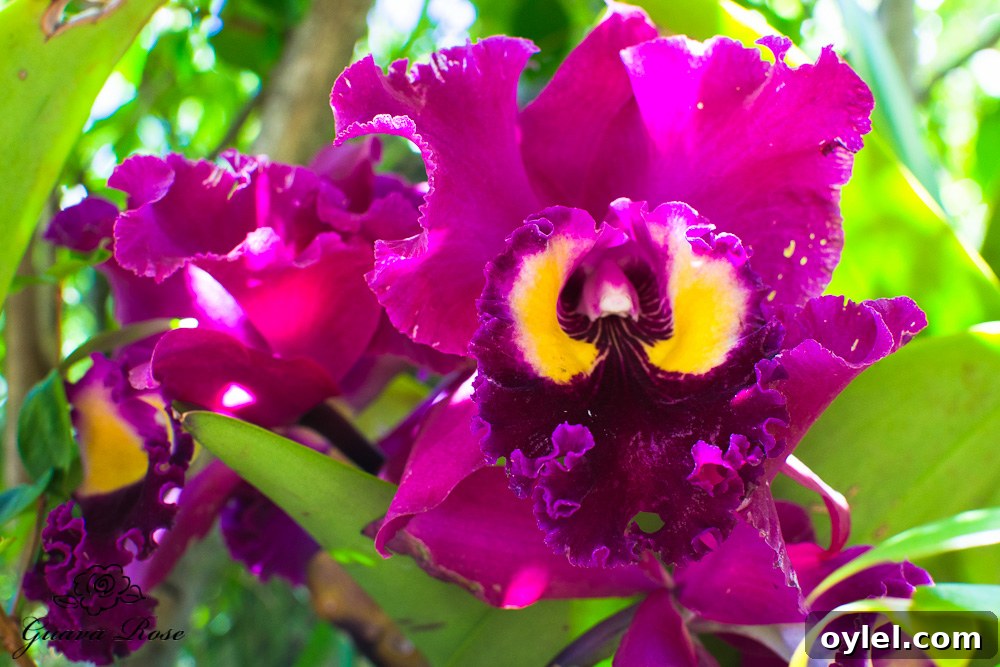
Flower Photography Tips — Capture Natural Beauty with Simplicity

Flower photography is a rewarding way to connect with nature and practice visual composition. Whether you are working in your backyard, a community garden, or on a walk, focusing on small details helps train the eye and improves technical skills. This guide collects practical, easy-to-follow tips to help you make more compelling flower photos without complicated gear or elaborate setups.
Think About Composition First
Composition is the foundation of a strong photograph. For flower images, start by considering your subject’s relationship with the background. A clean, non-distracting background makes the flower stand out. Use the rule of thirds to position the bloom off-center for a more dynamic layout, or embrace centered symmetry when the subject and surrounding elements are naturally balanced. Look for leading lines and shapes formed by stems, petals, or leaves that guide the viewer’s eye toward the focal point.
Use Light to Your Advantage
Lighting dramatically affects mood and detail in flower photos. Soft, diffused light from an overcast sky or the shade of a tree reduces harsh shadows and brings out delicate textures. Early morning and late afternoon provide warm, gentle light that emphasizes color and depth. If you must shoot in bright midday sun, create shade with a diffuser or position the flower so the sun lights it from behind for a soft rim light. Backlighting can highlight translucence in petals and produce a luminous, ethereal look.
Control Depth of Field
Depth of field helps separate the flower from its surroundings. A wide aperture (small f-number) produces a shallow depth of field, isolating the subject with a creamy, blurred background. This works particularly well for single flowers or close-up shots. When photographing clusters or entire plants, a narrower aperture increases the sharp area and preserves detail across more of the scene. Experiment to find the balance you prefer for each subject and setting.
Focus Carefully
Precise focus is crucial in close-up flower photography. Aim for the most interesting part of the flower — often the stamen, pollen, or a key petal edge — and use manual focus if your camera struggles to lock on. If you are photographing with a shallow depth of field, a slight focus shift can change the image dramatically, so take a few frames to ensure you capture the intended focal point. A tripod and remote release reduce camera shake and help maintain sharpness.
Mind Color and Contrast
Flowers are all about color. Pay attention to complementary or harmonious background tones. Neutral or muted backgrounds let vivid petals take center stage, while contrasting backgrounds can create visual drama. Watch for color casts from surrounding foliage or reflective surfaces; adjusting white balance in-camera or during editing ensures colors remain natural and true to what you observed.
Simple Post-Processing
Post-processing helps refine an image without changing its essence. Small adjustments to exposure, contrast, and saturation can clarify details and improve impact. Use selective sharpening to enhance textures in petals, and apply mild noise reduction when necessary. Crop conservatively to strengthen composition while keeping resolution suitable for prints or web display. Preserve a natural look by avoiding heavy-handed filters.
Practical Tips and Best Practices
- Use a tripod when possible to maintain stability and frame precisely.
- Bring a small reflector or white card to fill shadows on cloudy days.
- Shoot from multiple angles — eye level, above, and slightly below — to discover the most flattering perspective.
- Protect your gear from moisture and dirt when working outdoors.
- Describe images clearly with accurate filenames and alt text for accessibility and search visibility.
Sharing and Preserving Your Work
When sharing your photos online or printing them, consider the intended audience and format. Web images benefit from balanced compression and descriptive captions or alt text to improve discoverability. For prints, choose files with sufficient resolution and consider paper type that complements the image’s color and texture. Simple framing and a clean mat often enhance display without overshadowing the photograph.