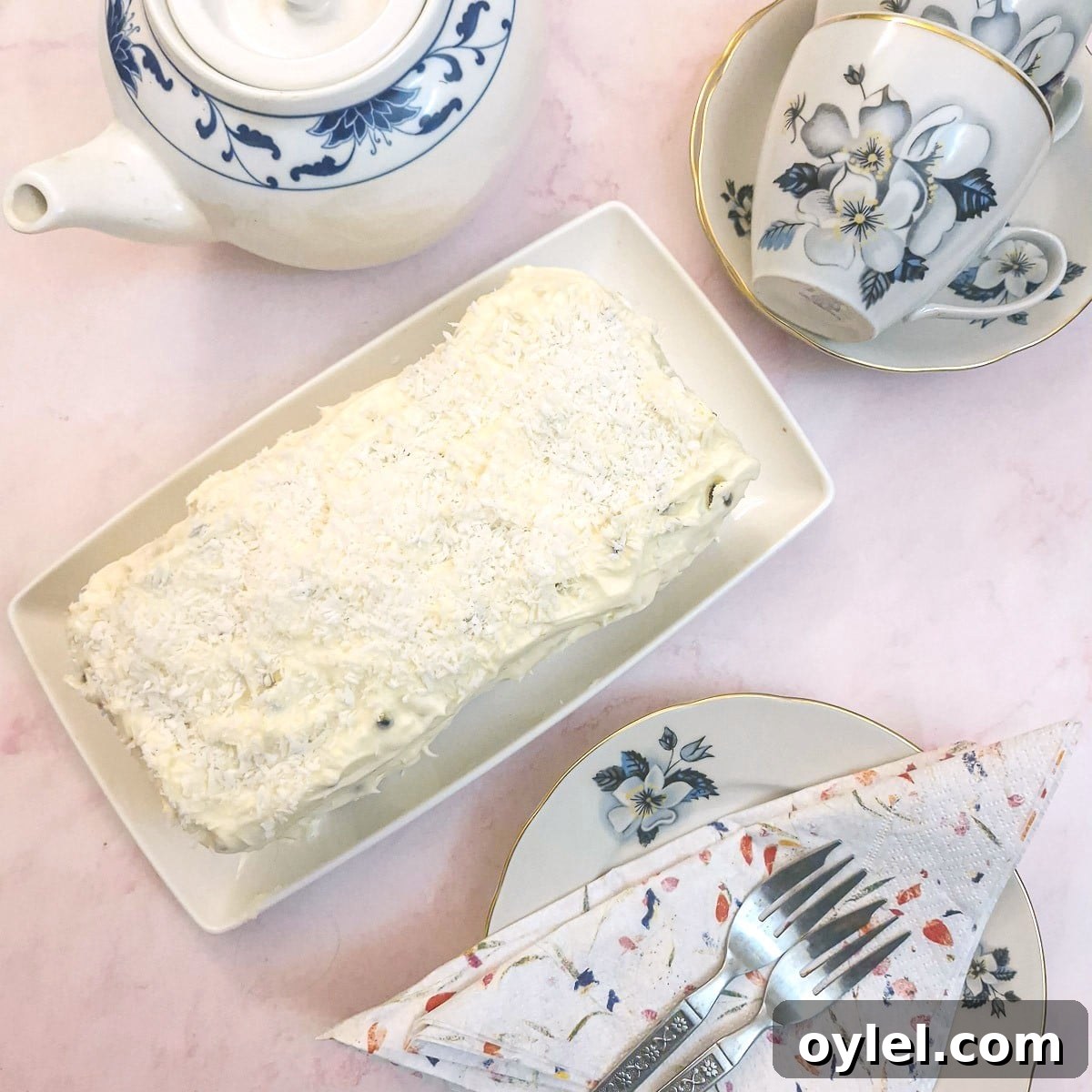
If you enjoy soft, moist cakes with a bright fruit tang, this granadilla coconut loaf cake with cream cheese frosting is worth baking. Fresh granadilla (passion fruit) pulp brings a lively, slightly tart note that balances the sweetness, while desiccated coconut adds tender, moist texture. A creamy, tangy frosting made with cream cheese and a little granadilla pulp finishes the loaf beautifully—perfect for afternoon tea or a sweet treat any time of day.
I grew up with granadilla vines along garden fences; the dark purple fruit splits open to reveal bright pulp with black seeds and a lively flavour. In some places granadilla is called passion fruit—either way, its pulp is ideal in cakes, cheesecakes and frostings. If fresh fruit isn’t available, packaged granadilla pulp works well too.
Why you should try this coconut passion fruit cake
- Easy to make: simple steps and only basic equipment.
- Refreshing flavour: granadilla pulp gives a gentle tartness that lifts the cake.
- Moist texture: desiccated coconut keeps the loaf tender and fresh for several days.
- Balanced icing: cream cheese frosting with a splash of granadilla pulp cuts through the sweetness.
Recipe information
- Prep time: about 25 minutes (mix batter, prepare icing)
- Cook time: 25–30 minutes
- Cooling time: about 30 minutes (allow the loaf to cool completely before icing)
- Yield: 8–10 slices
Ingredients for this easy coconut and granadilla cake
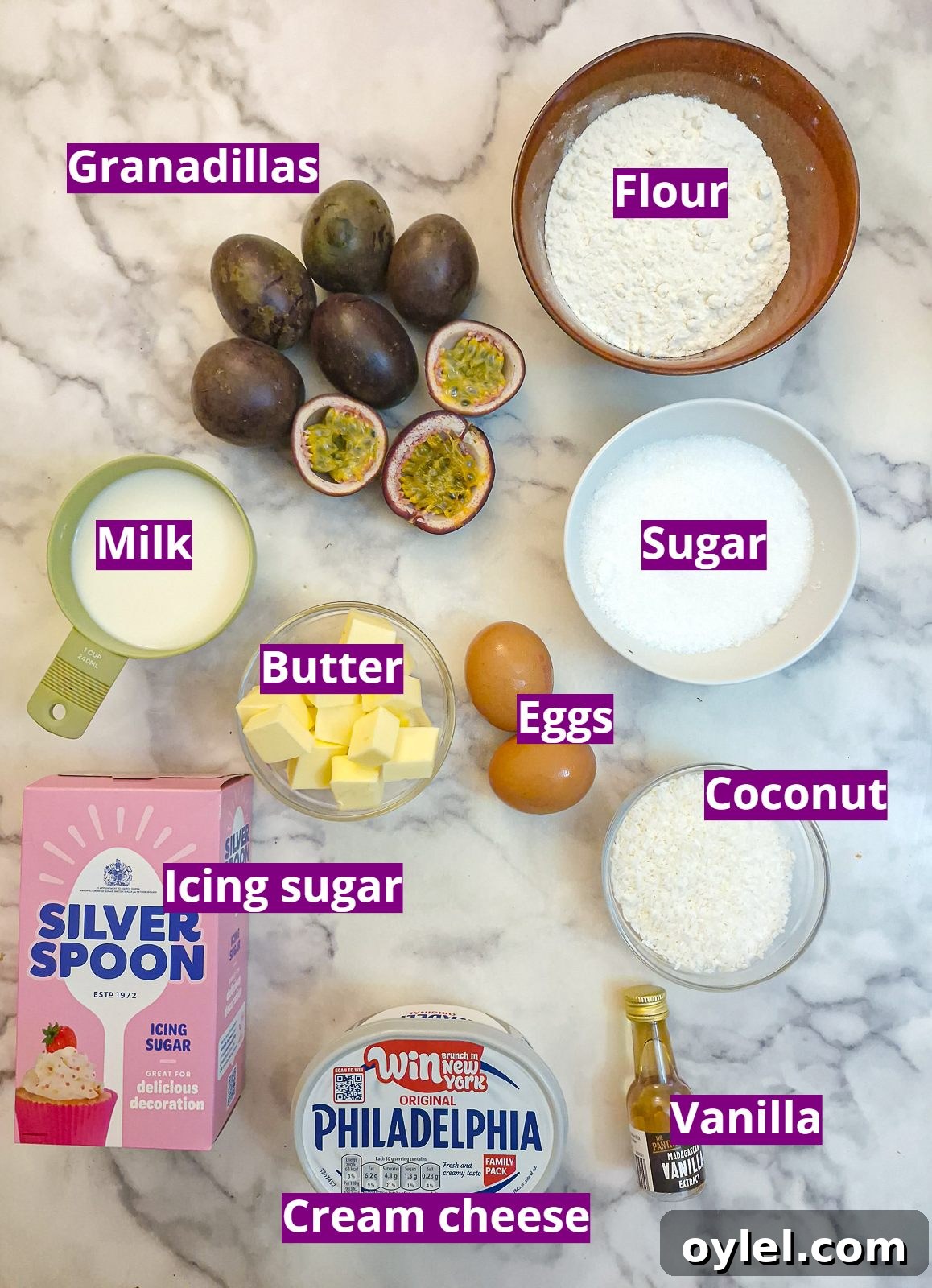
You can find the exact measurements in the recipe section below. Use fresh granadilla pulp if available, or pre-packed pulp when fresh fruit is hard to find.
Coconut loaf cake
- Granadillas: fresh pulp is best; packaged pulp works if fresh fruit isn’t available.
- Flour: self-raising flour, or plain flour plus a teaspoon of baking powder per cup (140 g).
- Butter: at room temperature for easy creaming; used in both batter and frosting.
- Eggs: large eggs.
- Sugar: caster sugar is preferable, but granulated works.
- Milk: full-fat or semi-skimmed for moisture.
- Vanilla: optional, for extra depth of flavour.
- Desiccated coconut: adds texture and moisture to the loaf.
Icing
- Icing sugar: also called powdered or confectioner’s sugar.
- Cream cheese: unflavoured; provides creaminess and a slight tang.
- Butter: a small amount at room temperature to stabilise the frosting.
- Granadilla pulp: a little stirred into the frosting lifts the flavour.
Instructions
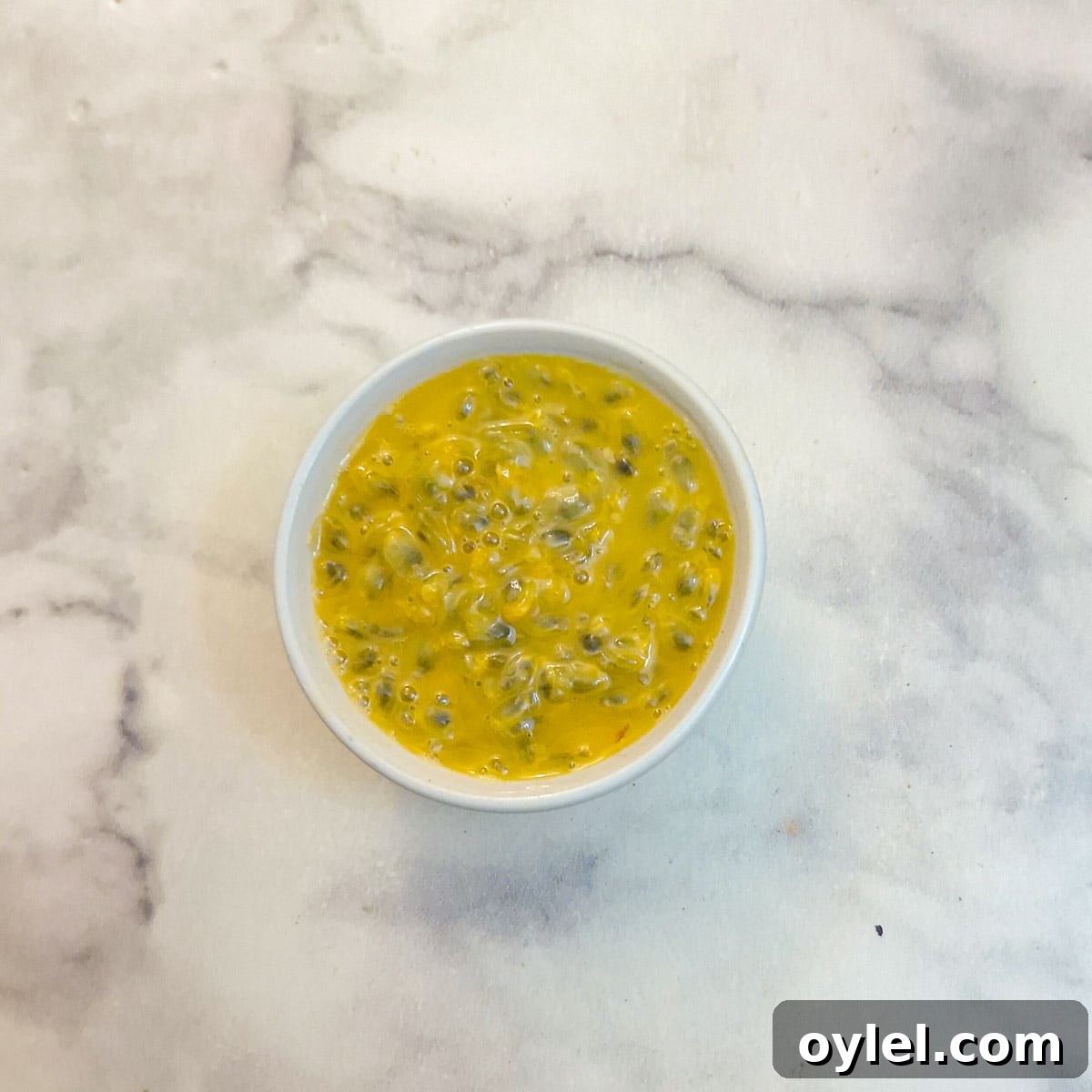
Step 1: Preheat the oven to 180°C (360°F). Cut the granadillas in half and scoop the pulp and seeds into a small bowl; set aside.
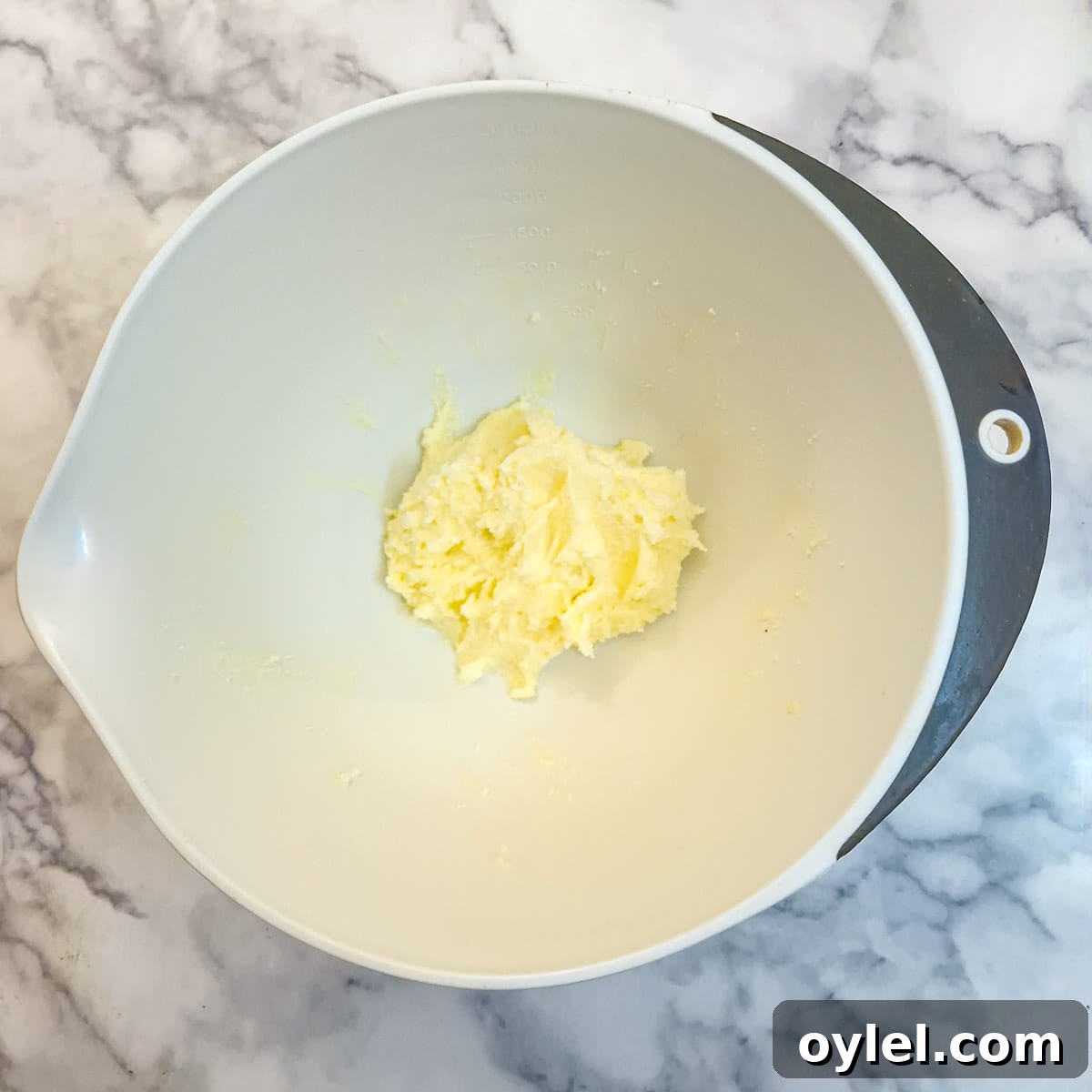
Step 2: Cream the butter and sugar together until light and fluffy. An electric hand mixer speeds this up, but a wooden spoon works too.
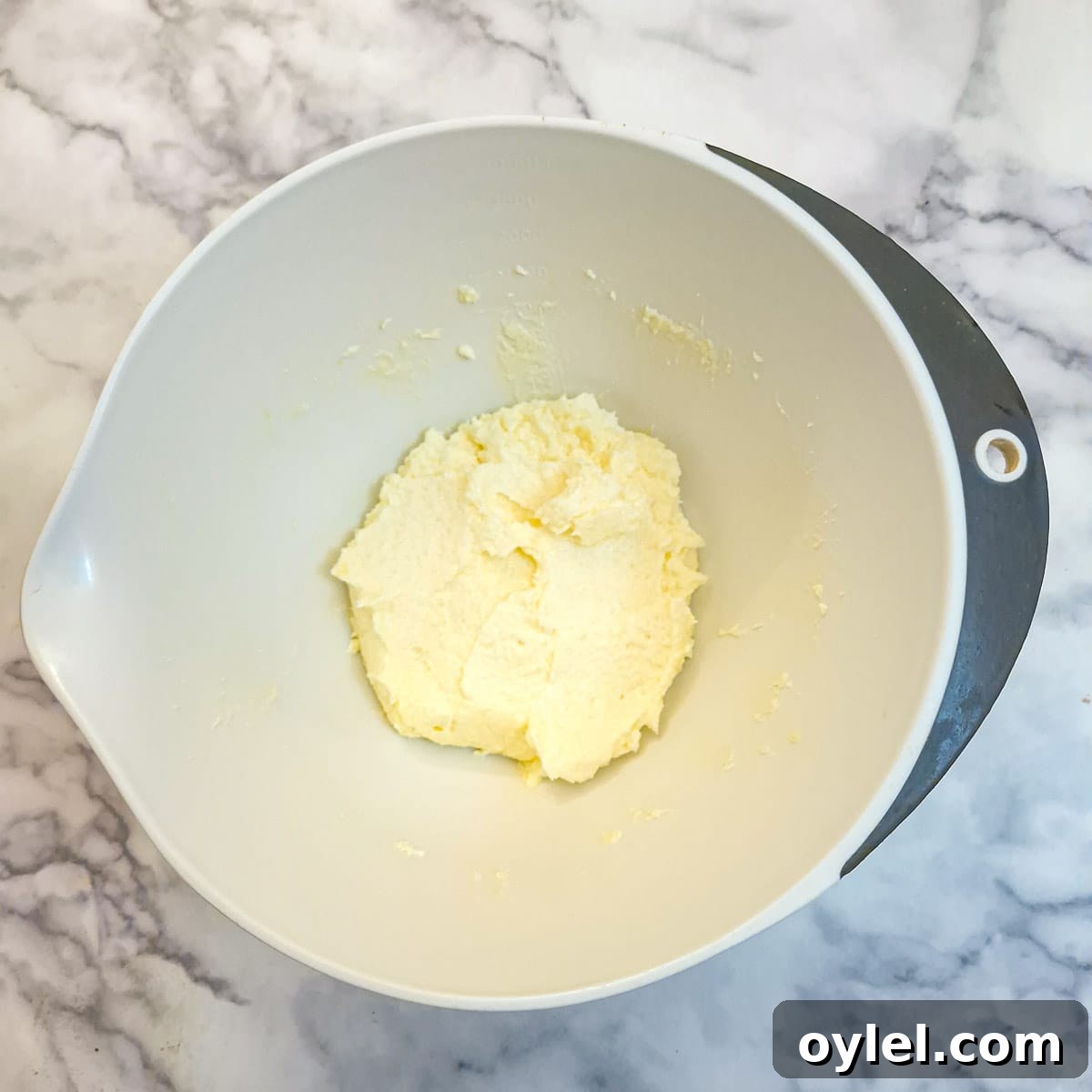
Step 3: Beat in the eggs one at a time, mixing well after each addition.
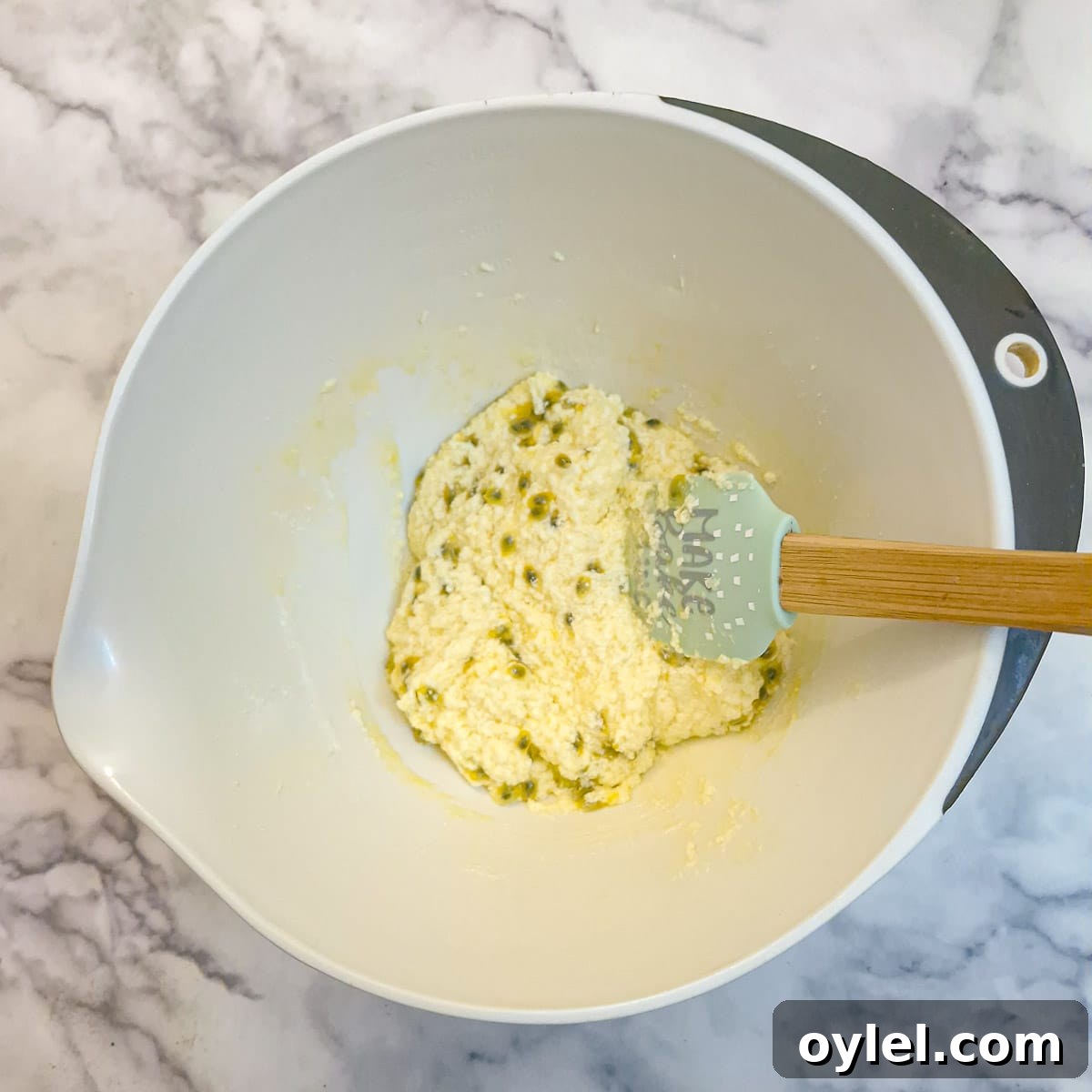
Step 4: Fold in the granadilla pulp and the vanilla, if using.
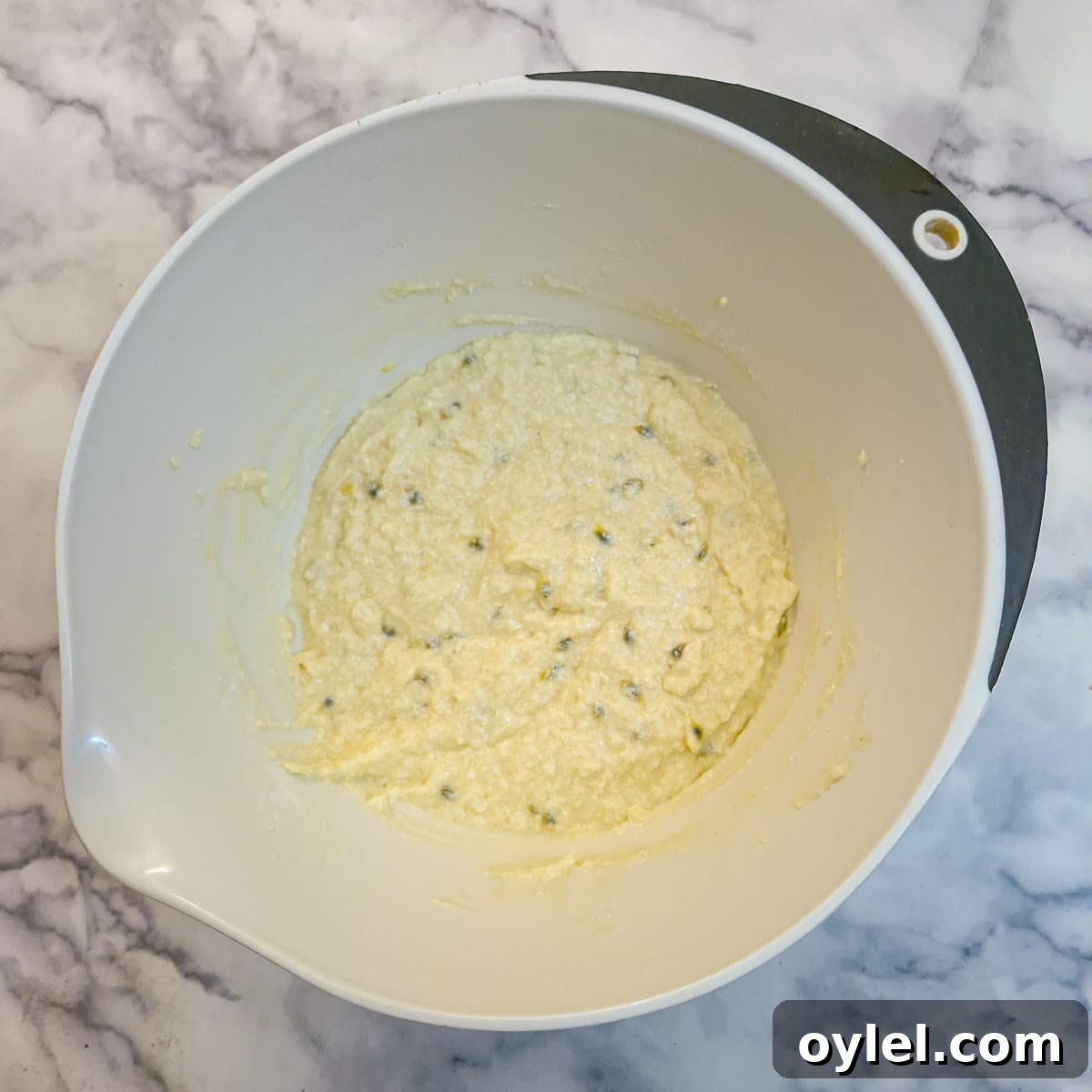
Step 5: Add half the flour, all the desiccated coconut and half the milk. Stir gently with a wooden spoon or spatula to avoid overworking the batter. Add the remaining flour and milk and mix until just combined.
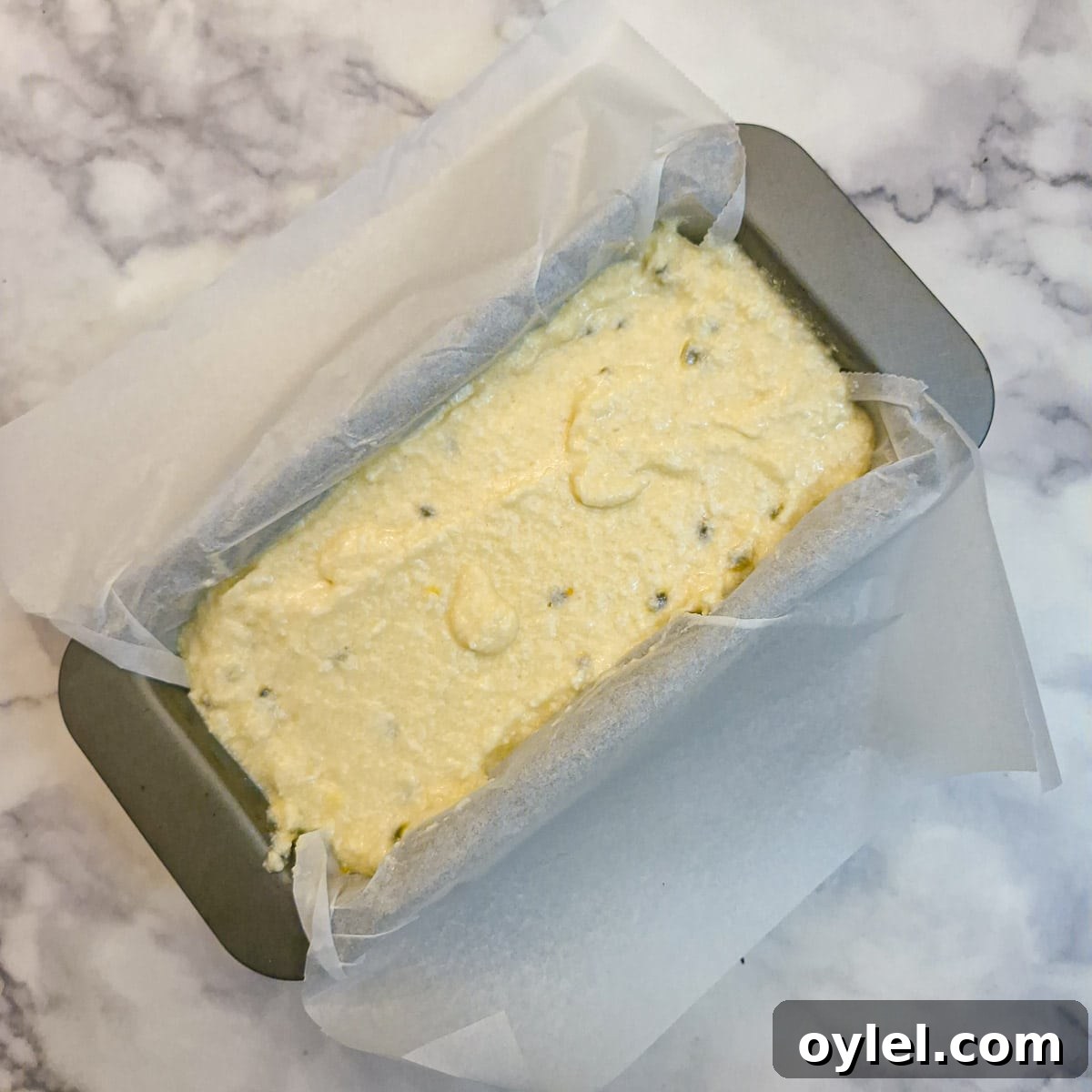
Step 6: Spoon the batter into a greased and parchment-lined 4 × 7 inch (10 × 18 cm) loaf tin, leaving a small overhang of paper to help with removal.
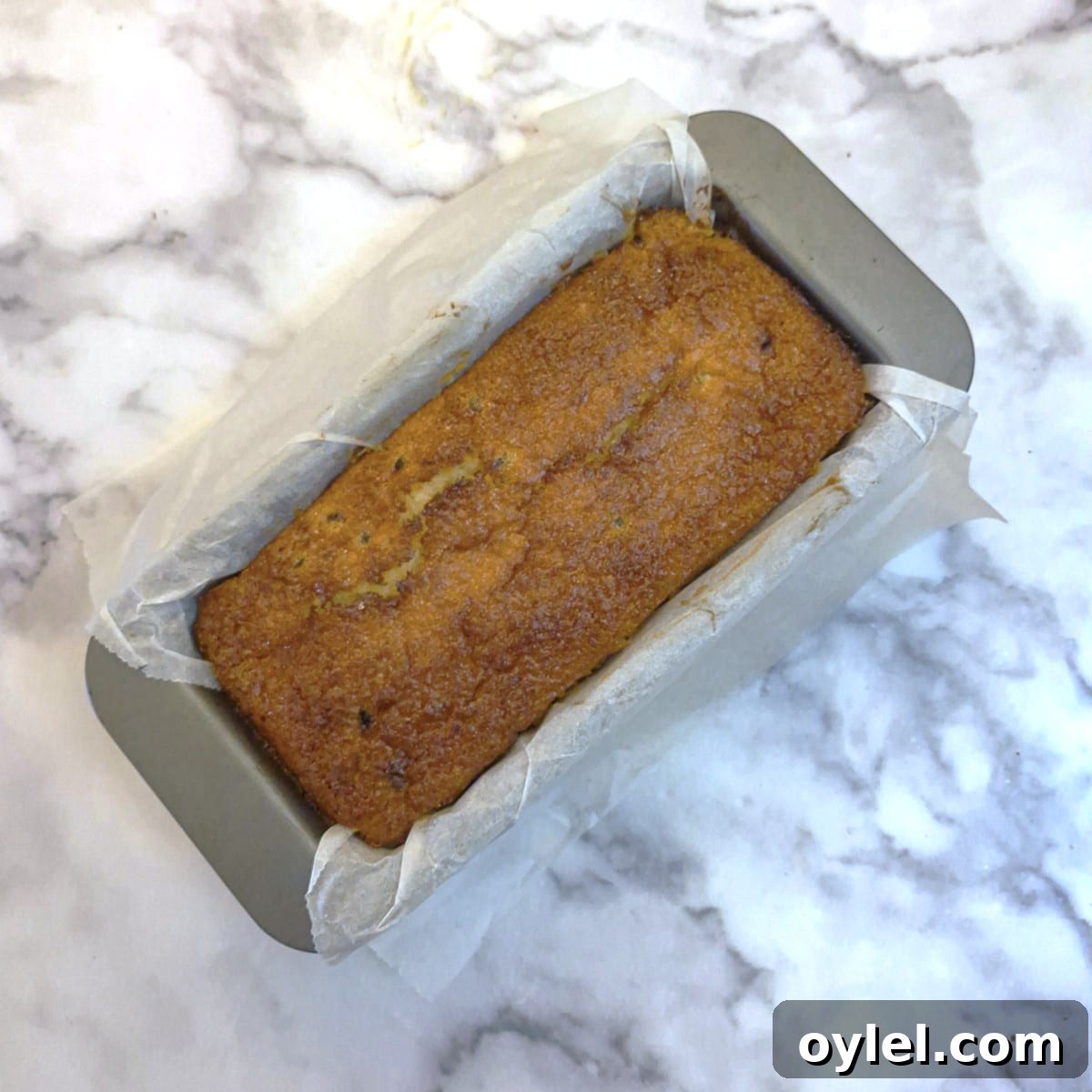
Step 7: Bake for 25–30 minutes at 180°C (360°F) or until a skewer inserted in the centre comes out clean and the cake feels firm. If the top browns too quickly, tent the loaf with foil for the final few minutes.
Allow the loaf to cool in the tin for about 30 minutes, then lift it out using the parchment overhang and peel off the paper. Let it cool completely before icing.
Icing
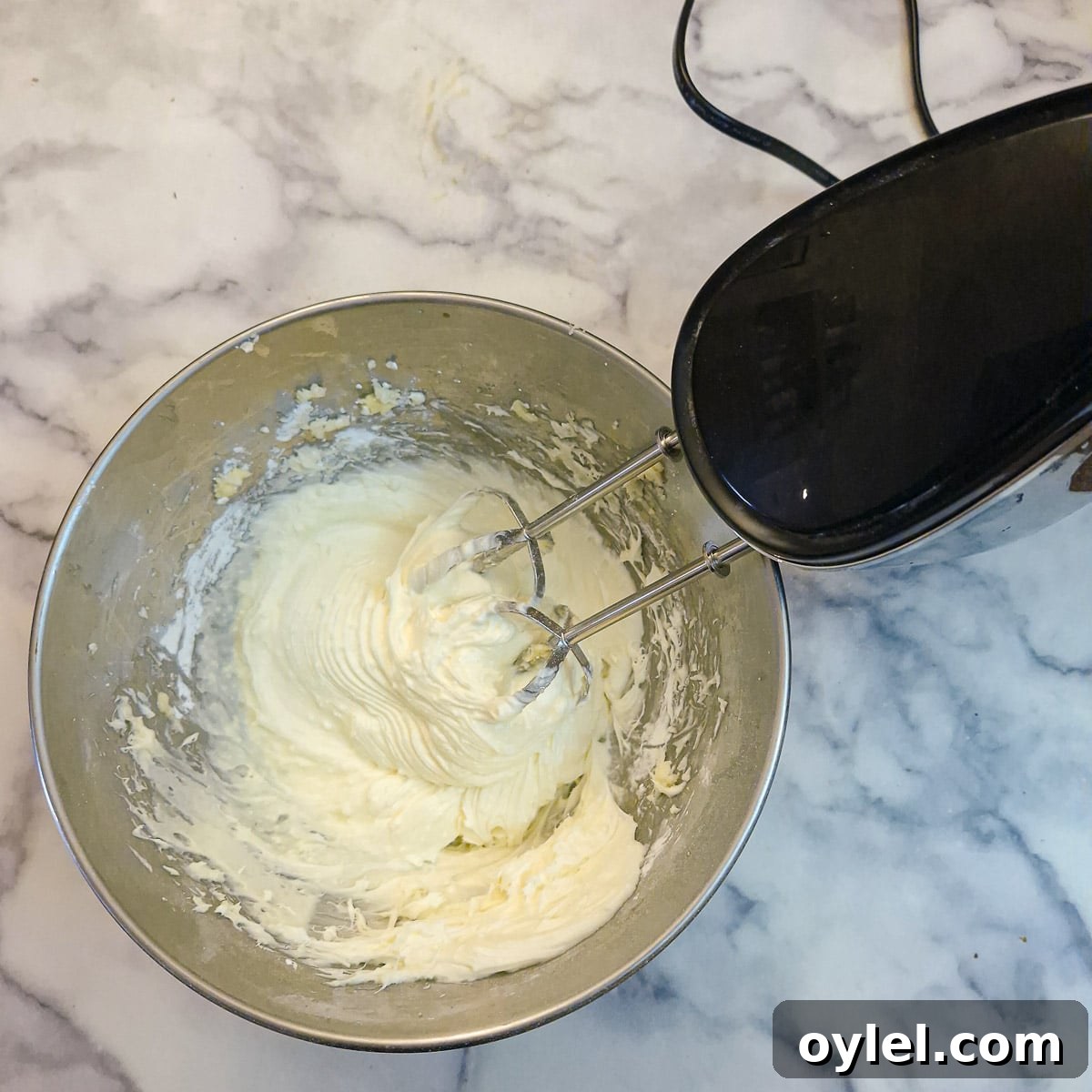
Step 8: Beat the butter and cream cheese together until smooth, then add the icing sugar and beat until thick and creamy. The mixture should hold its shape.
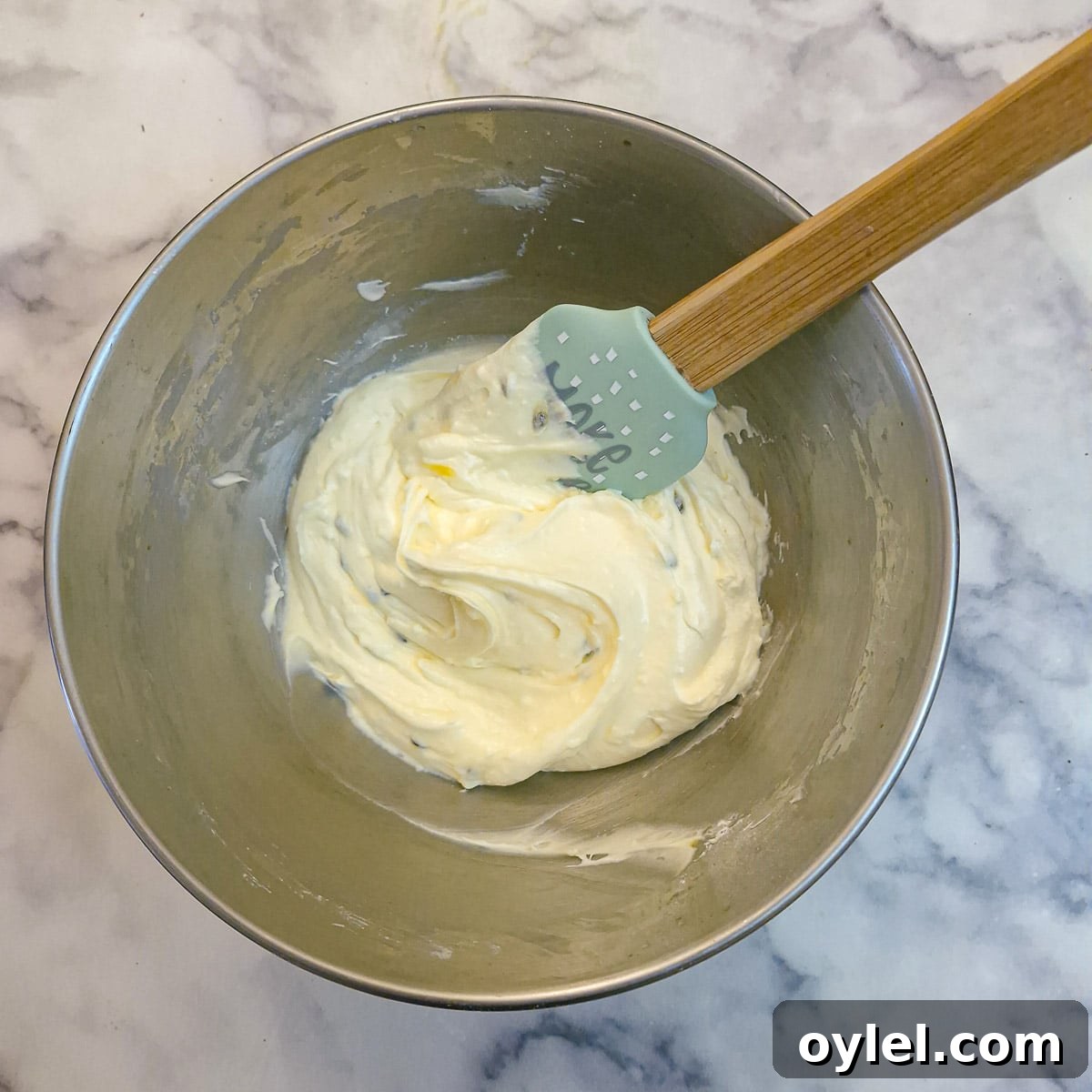
Step 9: Stir in the pulp from two granadillas. If the frosting becomes too loose, add a little extra icing sugar to firm it up.
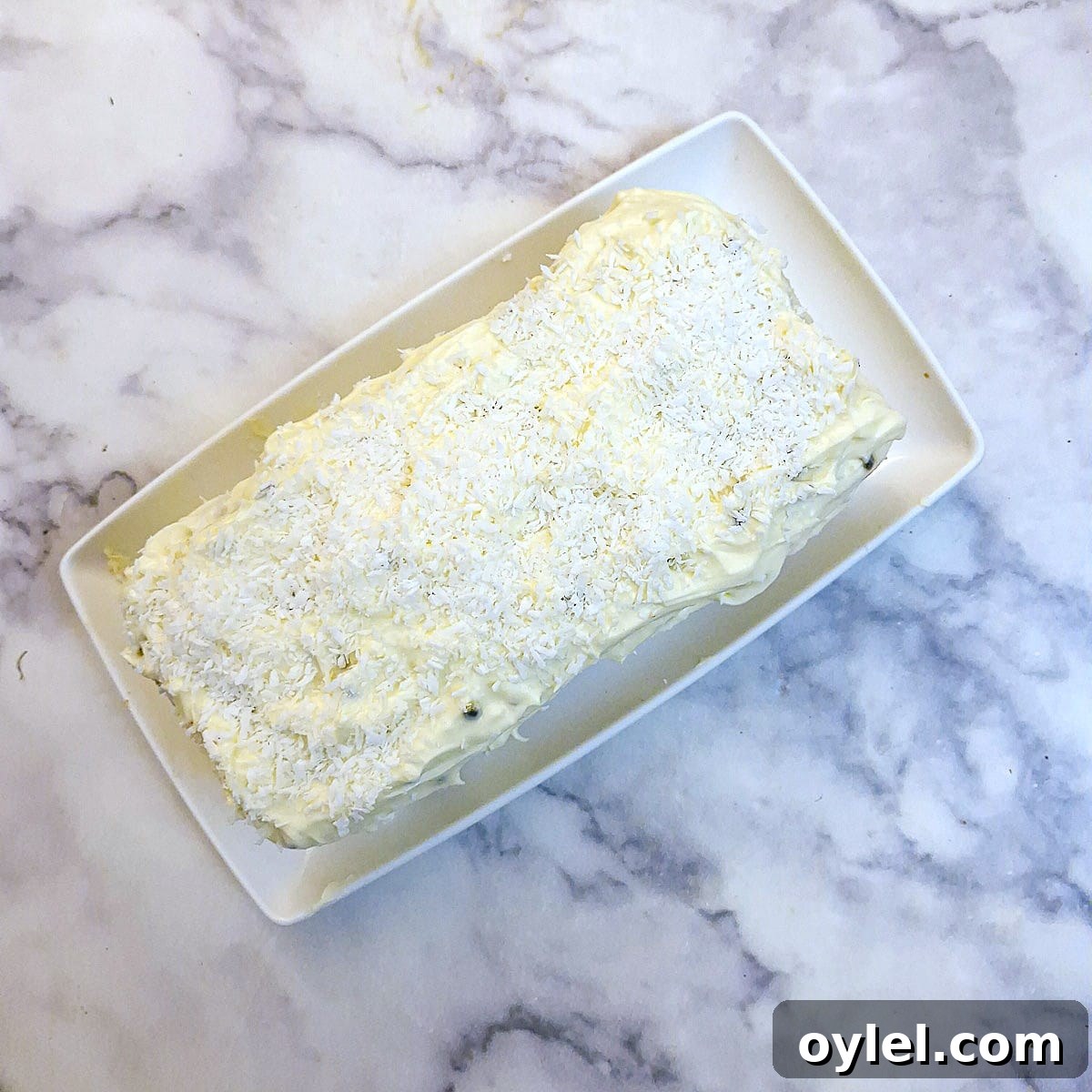
Step 10: Spread the frosting over the cooled loaf and sprinkle the top with a little desiccated coconut. Chill briefly so the icing firms before slicing.
Tips for a successful outcome
- Use butter at room temperature so it creams easily with the sugar.
- If the mixture looks curdled after adding eggs, don’t worry: adding a tablespoon of flour with the first egg helps emulsify the batter.
- Fold the flour and milk in stages to avoid overmixing and to keep the cake light.
- You’ll need roughly ¼ cup of granadilla pulp for the batter—about 3–4 medium fruits depending on size.
- Check the loaf a few minutes before the minimum bake time; oven variation and tin material can change baking time.
- When using an electric mixer for the icing, start slowly to avoid dusting the kitchen with icing sugar.
Serving suggestion
Serve slices with tea, coffee or a glass of milk. This loaf is also a lovely picnic cake or gift for friends.
Equipment
- Mixing bowls
- Small bowl for granadilla pulp
- Electric hand mixer or wooden spoon
- Palette knife or spatula for icing
- 1-pound loaf tin (about 4 × 7 inches / 10 × 18 cm)
Storage
Because the icing contains cream cheese, store the frosted cake in the refrigerator in a covered container or wrapped with foil. The unfrosted loaf can be frozen for up to four months: wrap it well in foil and a freezer bag, then thaw fully before making fresh icing.
FAQ
What is a granadilla?
A granadilla is a purple-skinned fruit from the passion fruit family. Inside it contains sweet yellow pulp with small edible black seeds. It’s sometimes called passion fruit and works well fresh or as packaged pulp in desserts.
What is the texture of this cake?
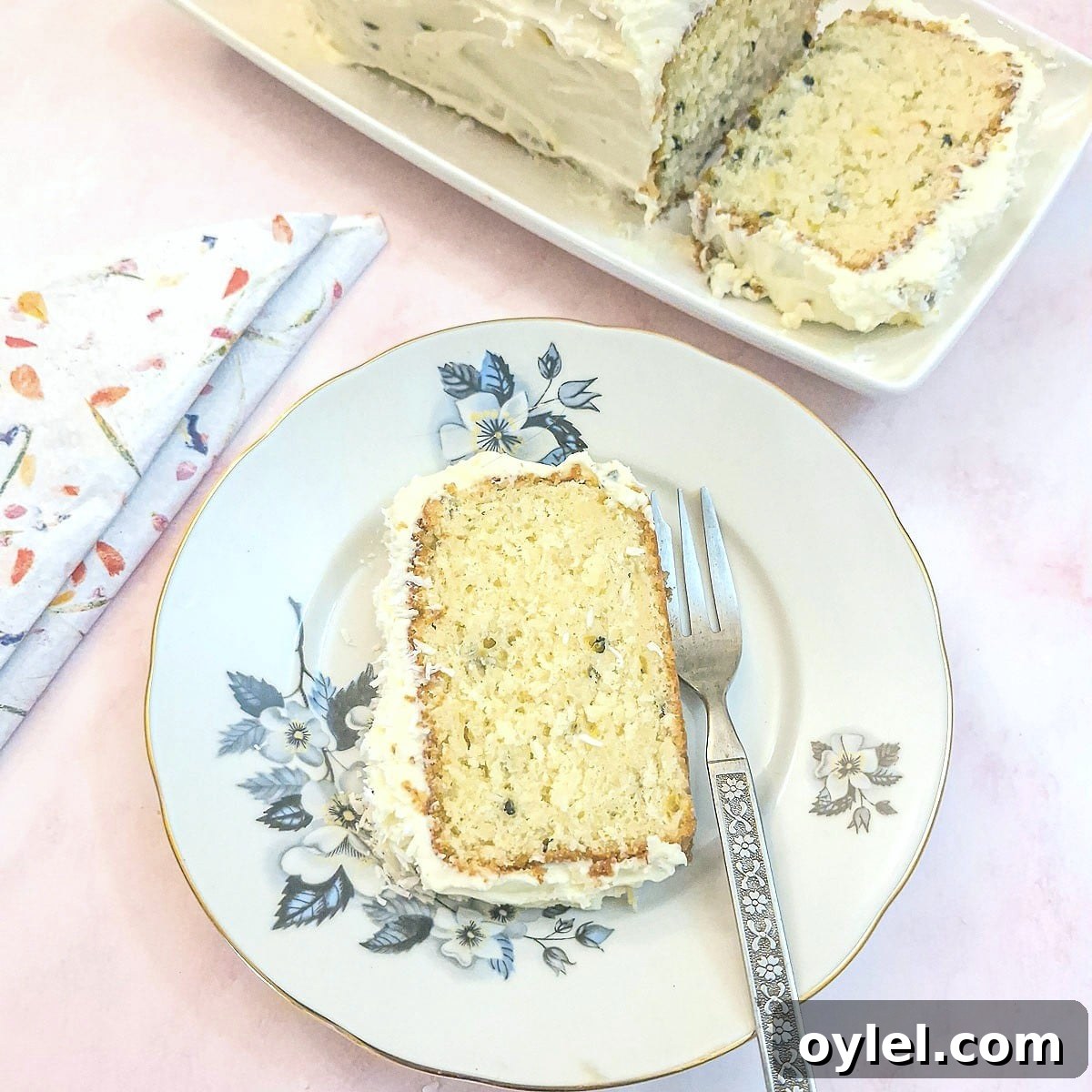
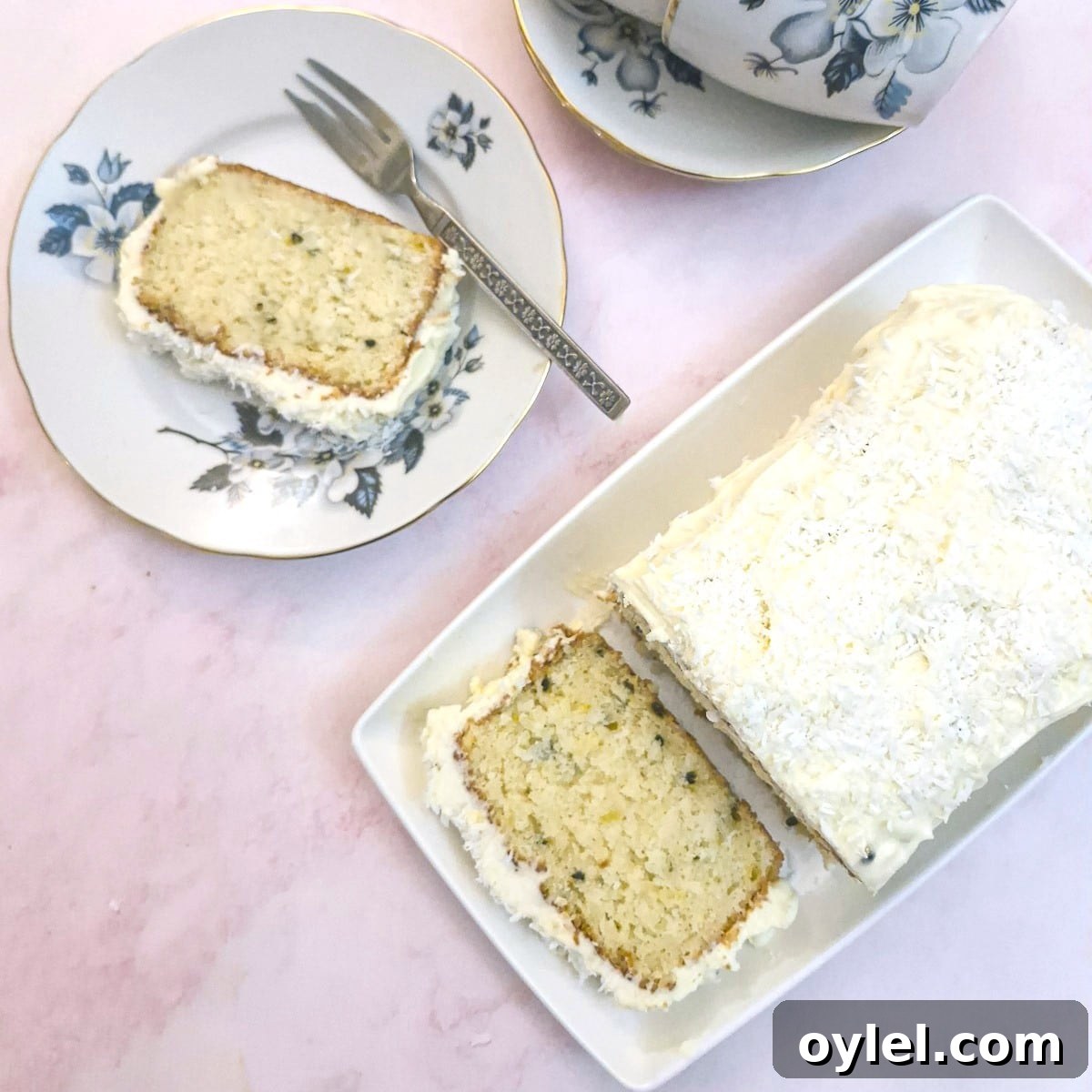
The cake is denser than a sponge due to the coconut, but it stays moist and is full of flavour. The cream cheese frosting adds a smooth contrast.
The recipe
Granadilla coconut loaf cake with cream cheese frosting
Author: Veronica
Prep: 25 minutes | Cook: 25 minutes | Cooling: 30 minutes | Serves: 8–10
Ingredients
Granadilla and coconut loaf cake
- ½ cup (113 g) butter, softened
- ¾ cup (150 g) caster sugar
- 2 large eggs
- 1 cup (140 g) self-raising flour (or plain flour + 1 tsp baking powder)
- 1 tsp vanilla extract (optional)
- ½ cup (50 g) desiccated coconut
- 4 ripe granadillas (pulp only), about ¼ cup
- ½ cup (120 ml) milk
Granadilla cream cheese frosting
- 1½ cups (150 g) icing sugar
- 1½ oz (45 g) butter, room temperature
- 2 oz (60 g) cream cheese
- Pulp from 2 granadillas
Method
- Preheat oven to 180°C (360°F). Prepare granadilla pulp and set aside.
- Cream butter and sugar until light. Beat in eggs one at a time.
- Fold in granadilla pulp and vanilla. Stir in half the flour with all the coconut and half the milk, then fold in the rest until just combined.
- Pour into a lined 4 × 7 inch loaf tin and bake 25–30 minutes, or until a skewer comes out clean.
- Cool completely before icing.
- For the frosting, beat butter and cream cheese smooth, add icing sugar and then stir in granadilla pulp. Adjust thickness with extra icing sugar if needed.
- Spread over the cooled loaf, sprinkle with coconut and chill briefly to set before slicing.
If you try this recipe, enjoy the tropical flavour of granadilla combined with coconut and creamy frosting. It’s a simple loaf but one that’s easy to make and hard to resist.