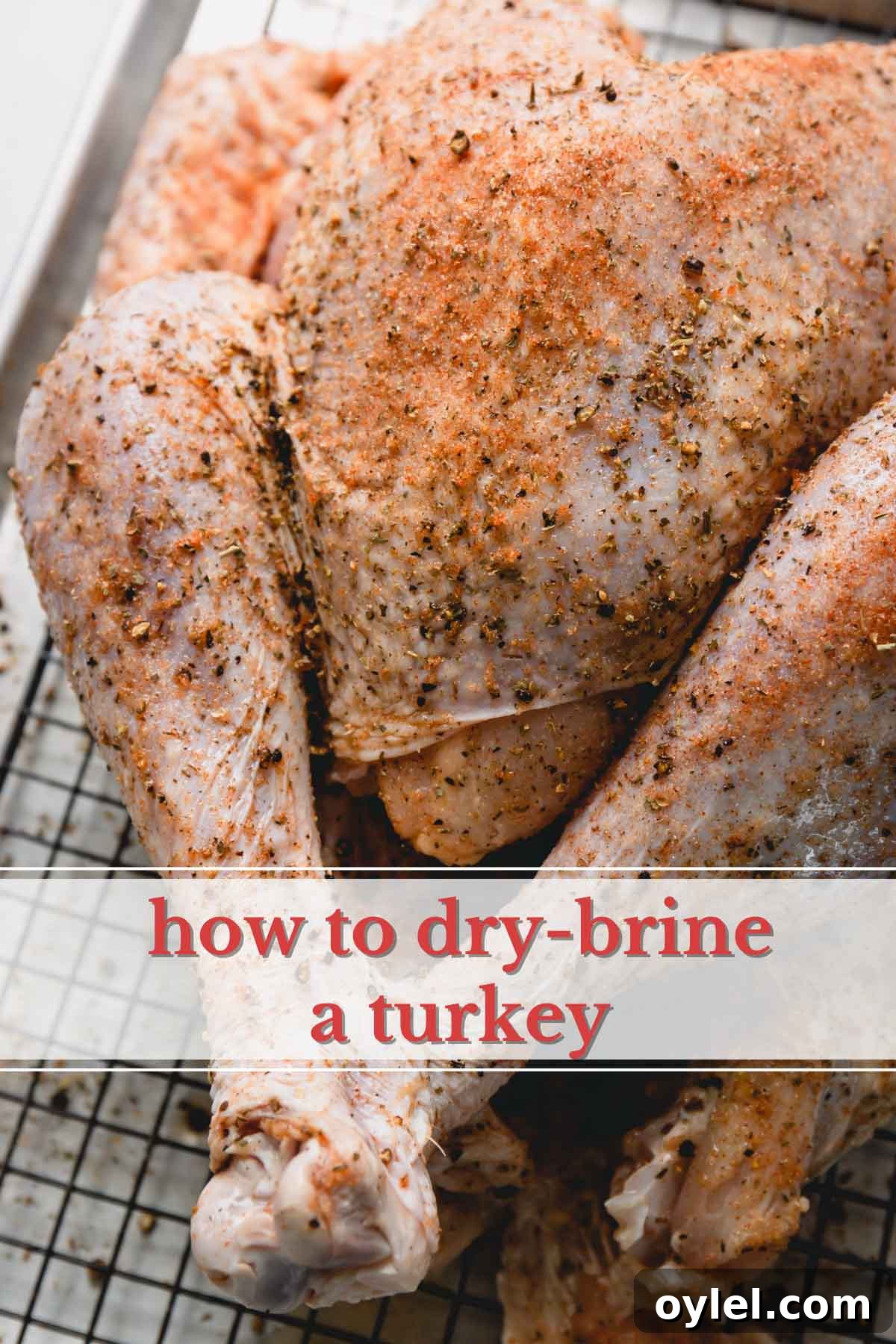
Dry brining is the simplest and most reliable way to season a turkey for a juicy, well-flavored roast. Below you’ll find a clear overview of what dry brining is, why it works, what ingredients to use, step-by-step instructions, and practical tips to ensure success.
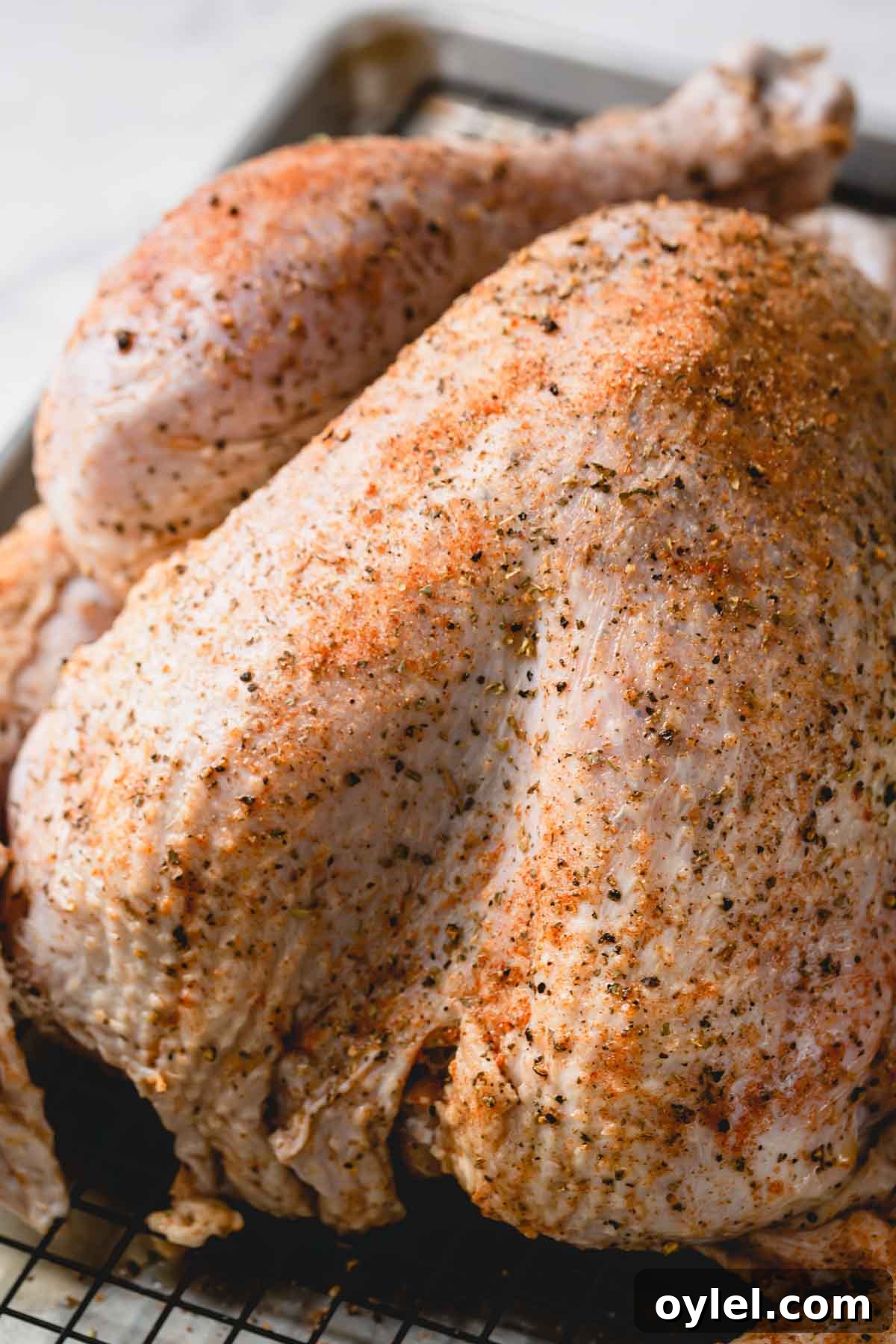
What is dry brining?
Dry brining is the technique of salting poultry a day or more before cooking. Unlike wet brining, which submerges the bird in a saline solution, dry brining relies on curing the skin and meat with a measured amount of salt and optional aromatics. Over time the salt draws moisture from the surface, dissolves, and then is reabsorbed into the meat, seasoning it deeply and helping the proteins retain moisture during roasting.
Why dry brining is often preferred
Dry brining offers several practical advantages over wet brining. It’s less messy, requires no large container, and allows air to dry the skin for a crisper finish. When done correctly, dry-brined turkey is both more flavorful and juicier than an unbrined bird.
- Requires less space and equipment than wet brining.
- Deeply seasons the meat without adding excess liquid.
- Helps produce crisp, golden skin by allowing the surface to dry in the refrigerator.
Ingredients you’ll need
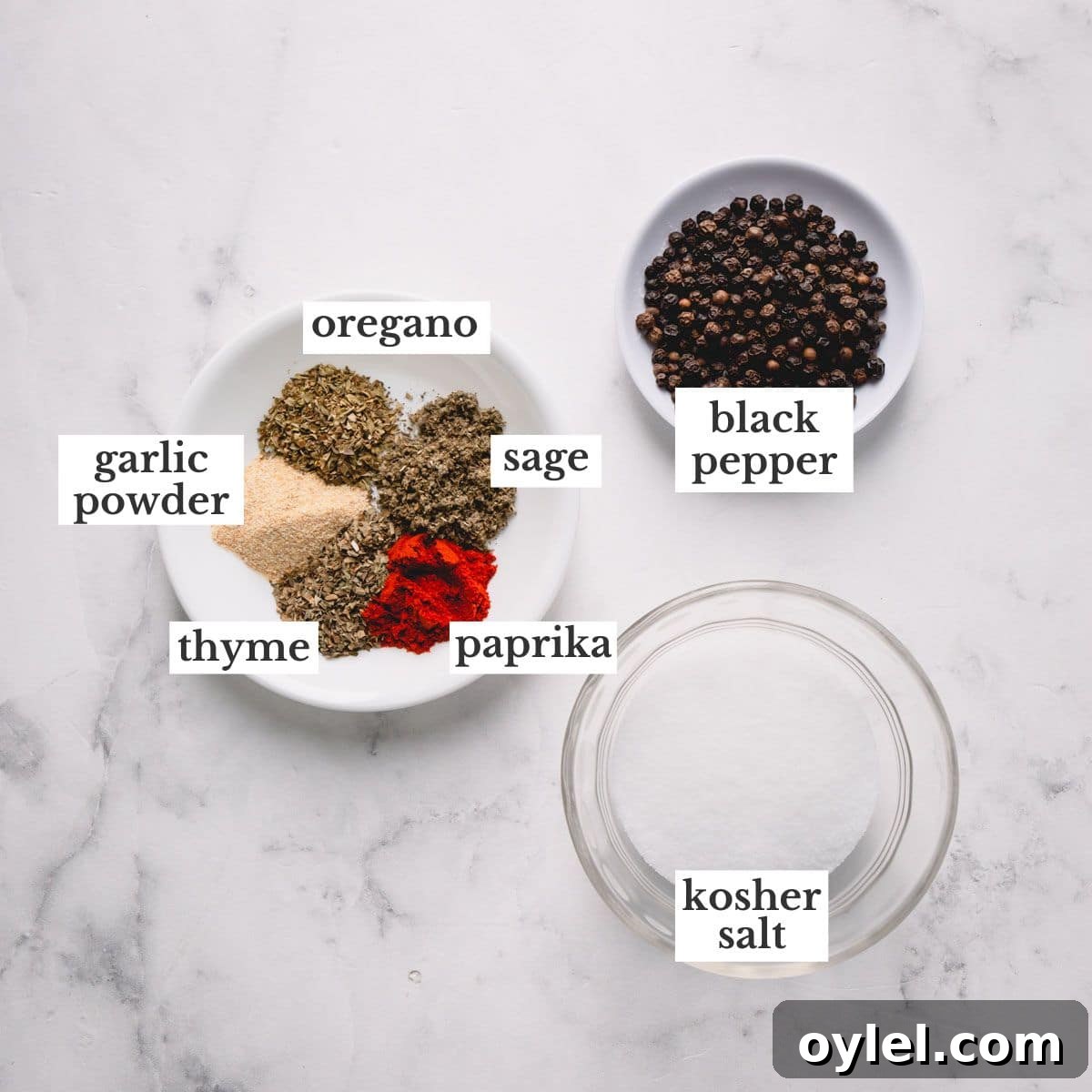
The essential ingredient for dry brining is salt. Kosher salt is preferred because its larger, flaky crystals distribute more easily and dissolve at a predictable rate. Beyond salt, you can add pepper, dried herbs, and spices to build flavor during the brining phase.
- Kosher salt: Best for dry brining. If using table salt, use about half the amount because table salt is finer and more concentrated by volume.
- Black peppercorns: Freshly cracked or crushed peppercorns give better aroma than pre-ground pepper.
- Herbs and spices: Dried oregano, sage, thyme or basil, smoked paprika, and garlic powder are all good choices. Use what you like and have on hand.
How to dry brine a turkey
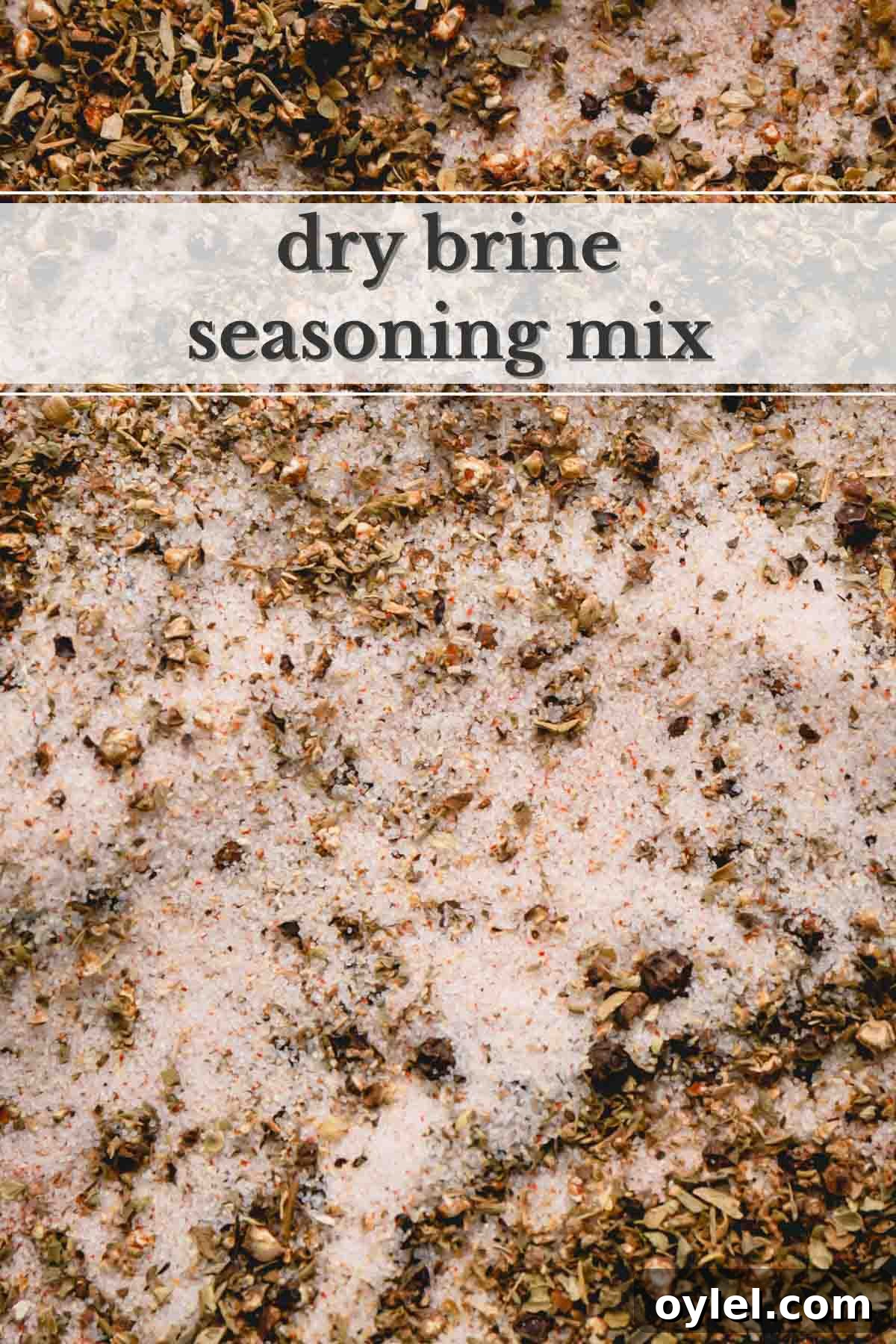
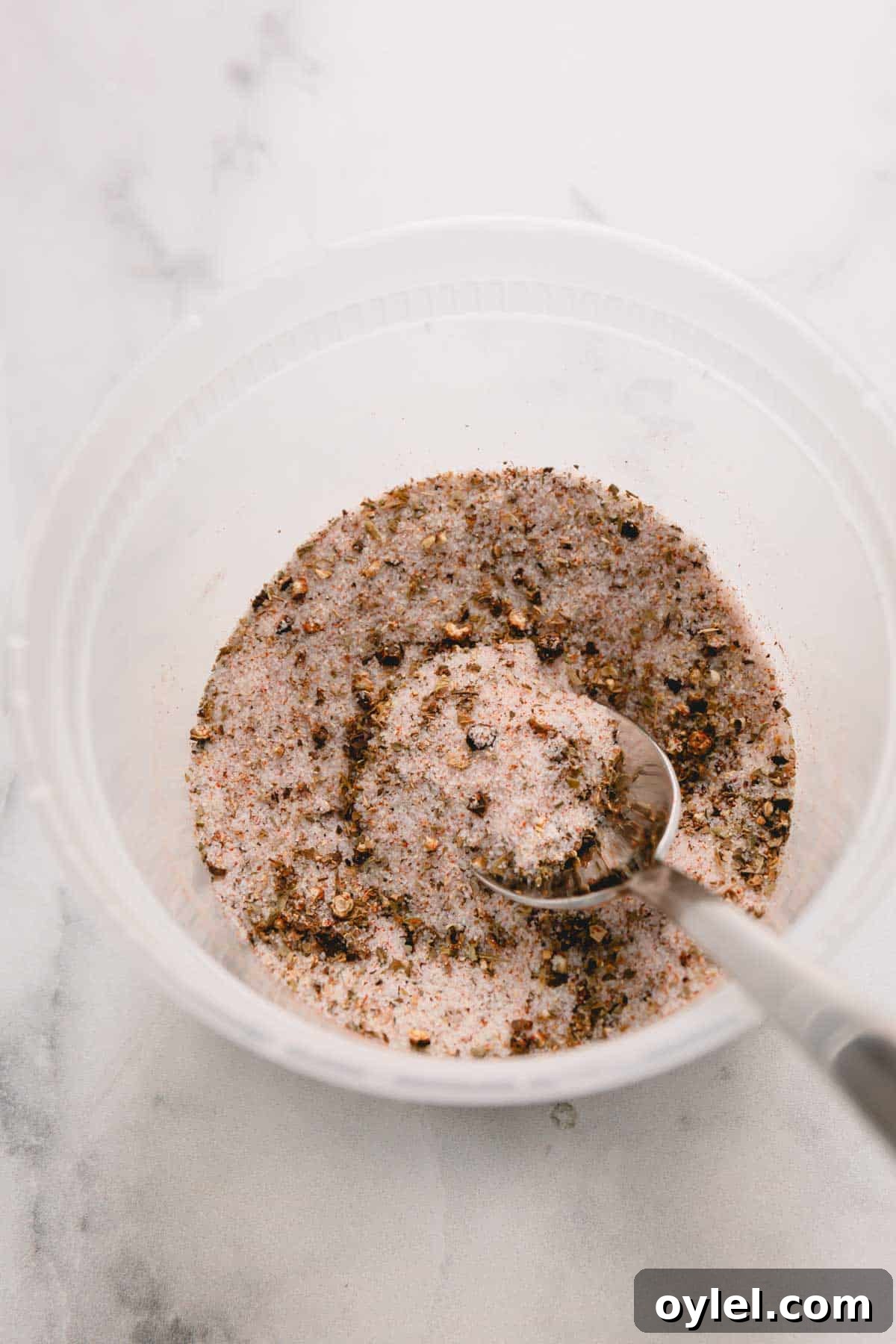
- Combine the salt and chosen spices in a bowl. If using whole peppercorns, crush them for more flavor.
- Place a fully thawed or partially thawed turkey on a rimmed baking sheet fitted with a wire rack. Pat the turkey dry with paper towels. Gently separate the breast skin from the meat with your hand to create a pocket.
- Rub the seasoning mixture evenly over the entire turkey, paying special attention under the breast skin and inside the cavity so the meat is well seasoned throughout.
- Return the turkey to the refrigerator uncovered. Leave it on the wire rack so air can circulate and dry the skin. Brine for at least 24 hours and up to 72 hours for best results.
- When ready to roast, do not rinse the bird. If you like, brush the skin with olive oil or softened compound butter before roasting to promote browning, then cook according to your preferred recipe or roasting method.
Tips for success
- Check the label: Avoid turkeys labeled as pre-salted, self-basted, enhanced, or injected with a saline solution — those do not need to be brined.
- Thaw completely or mostly: Dry brining works best on a fully or mostly thawed bird. If the turkey is still semi-frozen, place it on a deeper pan to catch runoff while thawing.
- Keep it uncovered: Refrigerating the turkey uncovered lets the skin dry, which contributes to a crisp surface when roasted.
- Scale the seasoning: The seasoning amounts given in recipes typically suit a 14–16 lb turkey. Increase proportionally for a larger bird.
- Food safety: Always keep the turkey refrigerated while brining. Use clean hands and utensils when handling raw poultry and clean surfaces afterward.
FAQs
The ideal window is about 24 to 72 hours. At least 24 hours is recommended to allow the salt to penetrate the meat; 48–72 hours often provides deeper seasoning and better moisture retention.
No. Rinsing the brine off removes seasoning and undoes the drying effect on the skin, which reduces crispiness. Instead, pat the bird dry if needed and proceed to roast.
Use a fresh turkey or a frozen turkey that has not been injected with saline or labeled as pre-salted or enhanced. If the label lists added salt, you can skip additional brining.
How to Dry Brine a Turkey
Ingredients
- 3 tablespoons kosher salt (see notes)
- 2 tablespoons black peppercorns, crushed
- 1 teaspoon dried oregano
- 1 teaspoon garlic powder
- 1 teaspoon dried sage
- 1 teaspoon dried thyme
- 1 teaspoon smoked paprika
- 1 whole turkey, thawed or mostly thawed (about 14–16 lbs)
Instructions
- Mix the salt and spices together in a bowl. Crush peppercorns if using whole ones.
- Set the turkey on a rimmed sheet with a wire rack. Pat it dry with paper towels and ease your hand under the breast skin.
- Rub the seasoning under the breast skin, over the meat, and inside the cavity, then evenly over the exterior.
- Place the turkey uncovered in the refrigerator for 24–72 hours. Allowing the skin to air-dry helps it become crisp when roasted.
- When ready to roast, do not rinse. Optionally brush with olive oil or compound butter, then roast according to your preferred method.
Did you make this recipe? Please leave a review and share your experience.
Tips & Notes
Kosher salt: Kosher salt’s coarse texture makes it ideal for dry brining. If you must use table salt, reduce the amount by about half to avoid over-salting.
Pepper: Freshly crushed peppercorns provide the most aroma; substitute 1 tablespoon ground black pepper if needed.
Herbs: Use dried herbs you enjoy—oregano, sage, thyme, basil, or a blend will all contribute pleasing flavor.
Batch size: The amounts listed are suitable for a 14–16 lb turkey. Scale proportionally for larger birds.
Food safety: Keep the turkey refrigerated while brining and handle raw poultry with care to prevent cross-contamination.
Leave a rating and your feedback. Thank you!