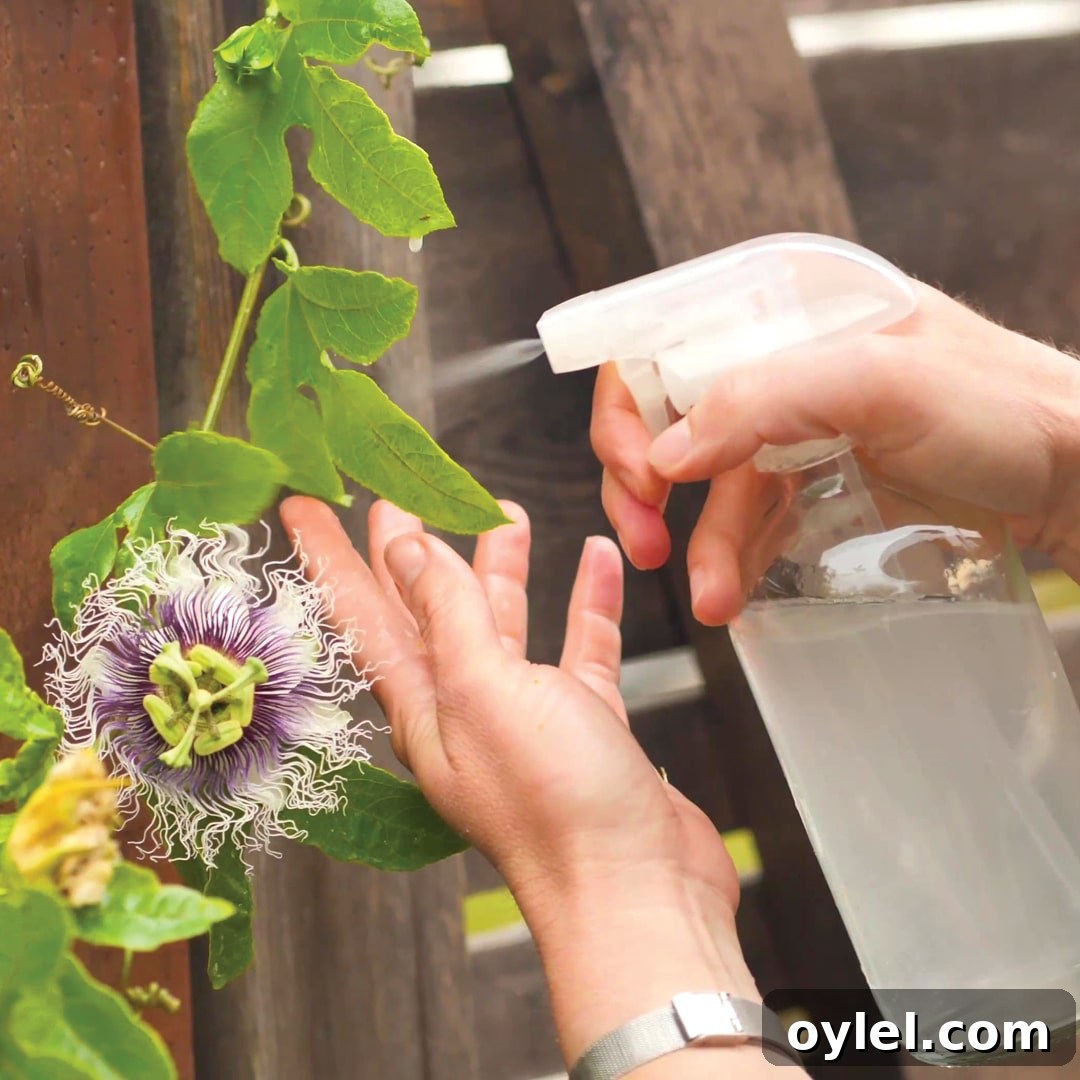
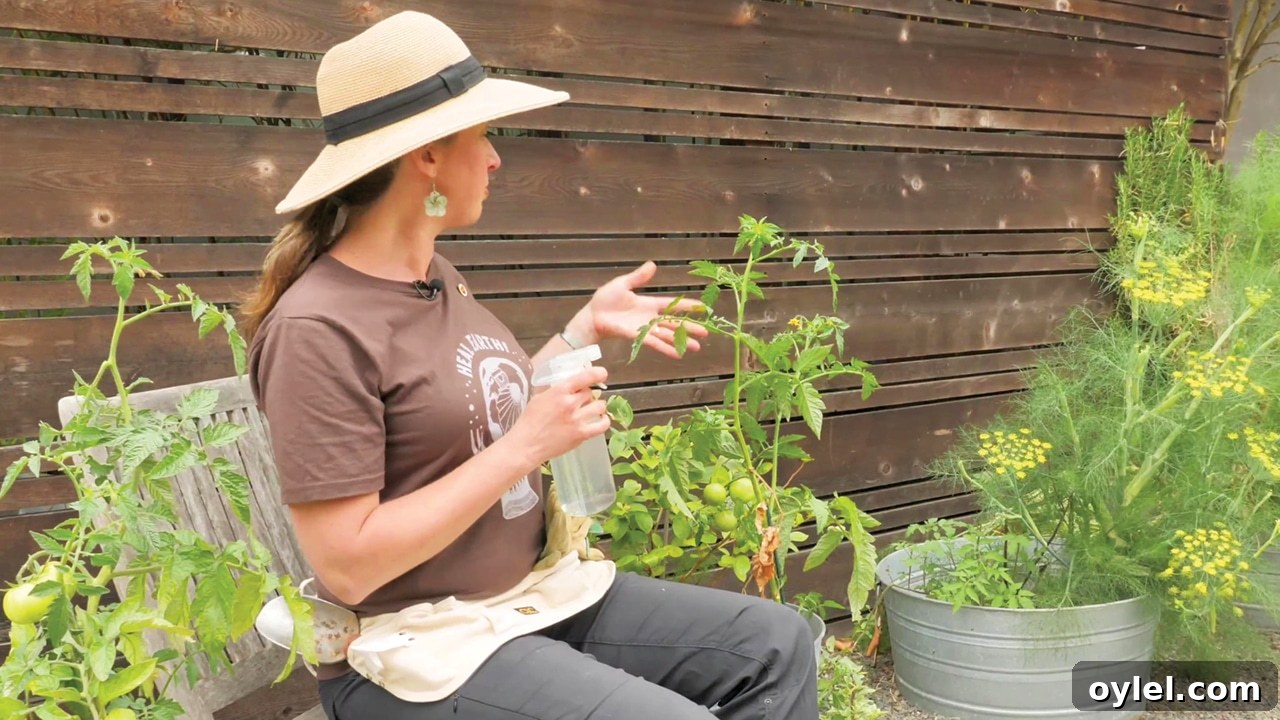
I’m honored that insects are drawn to my garden — a sign the plants are healthy and attractive — but I still prefer to harvest most of the vegetables myself or share them with friends and family. For that reason I use simple, non-toxic methods to keep pests in check. One of the most effective and gentle options I’ve found is a Castile soap spray made with Dr. Bronner’s Castile Magic Soap. It’s safe for people, biodegradable, and made from organic vegetable oils, making it a good choice for edible gardens.
Castile soap works well against many soft-bodied pests such as aphids, whiteflies, spider mites, and mealybugs. The soap helps break down the protective outer coatings of these insects and can interfere with their ability to breathe or cling to plant surfaces. While gardeners and scientists offer a few different explanations for how soap controls pests, the practical result is consistent: careful, appropriate use can reduce infestations without resorting to harsh chemicals.
For the Castile Magic Soap garden spray, you’ll need:
- A clean spray bottle
- 1 Tbsp. (15 mL) Dr. Bronner’s Castile Magic Soap (Citrus, Peppermint, or Unscented are commonly used)
- 1 quart (1 L) water
If your tap water is very hard, use filtered or distilled water to avoid mineral deposits on leaves. For scent choices, a food-safe fragrance such as peppermint or citrus is fine in small amounts; unscented is the safest option if you’re concerned about any residual aroma. This simple dilution creates a mild insecticidal spray suitable for many garden plants.
To prepare and apply the spray: combine the soap and water in the spray bottle and shake gently to mix. Spray plants thoroughly, paying special attention to stems and the undersides of leaves where insects often hide. Apply in the early morning or late evening when temperatures are cooler; spraying during the heat of the day can increase the risk of leaf burn and cause the spray to evaporate too quickly. For heavy infestations, daily applications may be necessary until populations are under control.
Before treating an entire plant or crop, always perform a spot test: spray a few leaves and wait 24–48 hours to check for any signs of sensitivity or damage. Some tender plants, new growth, or certain varieties can react to even mild soaps, so testing first helps avoid unintended harm.
To minimize impacts on beneficial insects such as bees, avoid spraying flowers and apply during times when pollinators are least active. If you see ladybugs or other helpful predators on a plant, give the plant a gentle shake before spraying to encourage them to move away. Castile soap sprays are generally considered safer for gardeners and the environment than synthetic insecticides, but thoughtful application is still important.
Harvested produce should be rinsed before eating. A simple rinse under running water removes residual soap and any remaining pests; if you like, a very small additional drop of Castile soap in the rinse water can help clean waxes and residues, but ensure thorough rinsing afterward.
Store any unused mixed spray in a cool, dark place and use it within a few days for best effectiveness; the mixture can lose potency over time. Keep the concentrated soap tightly capped and stored according to the manufacturer’s instructions.
While no single method solves every pest problem, a regular program of monitoring, early intervention, and gentle controls like a Castile soap spray can keep many common garden pests manageable. Test carefully, spray thoughtfully, and you’ll likely find this simple remedy a reliable part of your natural pest control toolkit. Happy gardening!
Further reading
- Garden Regeneratively at Home
- Grow Something
- Dilutions Cheat Sheet for Dr. Bronner’s Liquid Castile Soap
- A Complete Guide to Homemade & Natural Weed Control