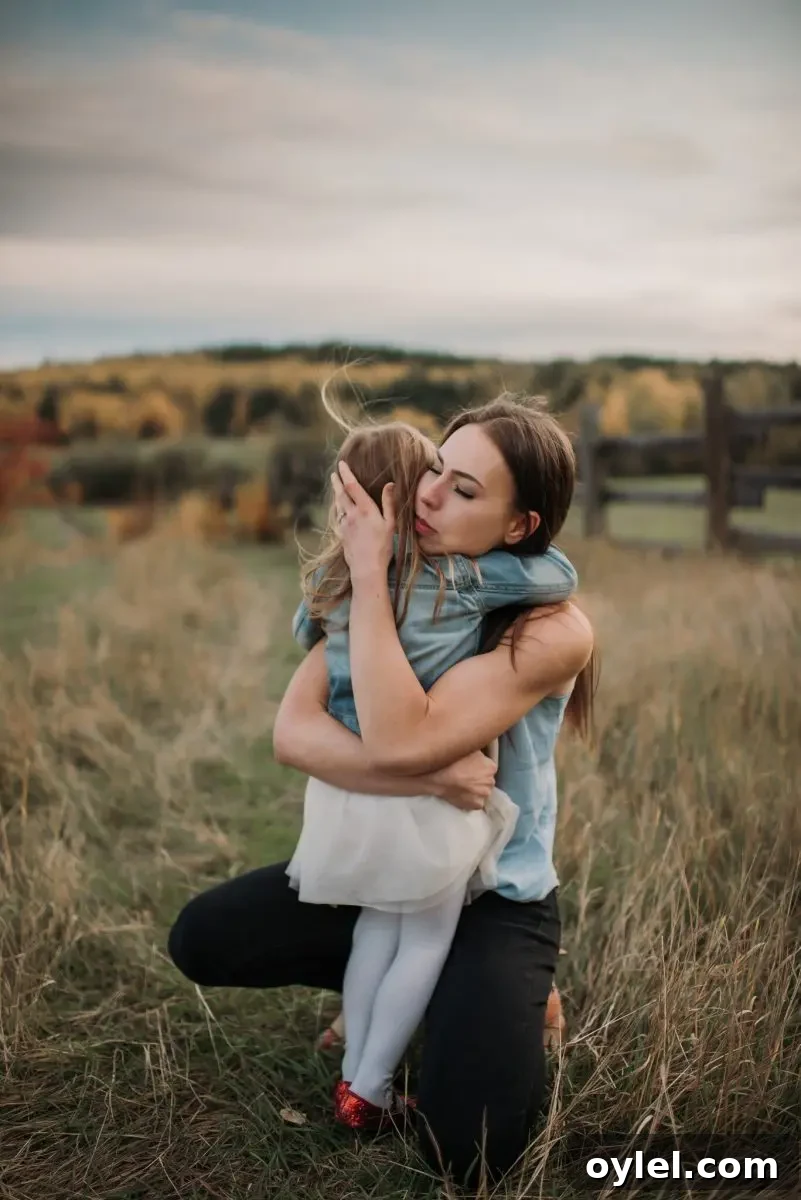
I never expected parenting to be such a reciprocal education: that after 8.5 years of being a mom, I would learn as much — if not more — from my children as they learn from me. The day-to-day of raising kids forces constant reflection, humility, and a willingness to re-evaluate how I handle my emotions, responses, and relationships.
Recently I made a mistake. It was unintentional, a lapse in judgment rather than something deliberate, yet it still ended up hurting someone I love. My first impulse was defensive: to justify, explain away, and insist that I hadn’t meant any harm. That automatic reaction — to protect my pride — felt familiar and uncomfortable all at once.
What stopped me was the same lesson I’ve been trying to teach my children about accountability and empathy. When one of my girls gets hurt by accident, I gather her, validate the pain, and explain that even without intention, the hurt is real and needs attention. I realized I needed to apply that same approach to my own action: acknowledge the harm, set aside excuses, and actively repair the relationship.
That moment of self-awareness was humbling. The conviction to own my role came quietly but firmly, waking me to how important it is to model healthy behavior. Children learn far more from what we do than what we say. If I expect them to apologize, to recognize when they’ve caused pain, and to work toward healing, I must live those values myself. Otherwise my words become hollow instructions instead of lived examples.
Admitting fault and asking for forgiveness is rarely easy. It requires setting aside ego and accepting discomfort. Yet in the practice of parenting, these are vital skills to teach: emotional intelligence, humility, and the courage to make amends. Saying “I’m sorry” is more than a polite phrase; it’s a step toward repairing trust and honoring the emotional safety of the people we love.
So I paused, reflected on what happened, and approached the person I had hurt. I offered a sincere apology that acknowledged both the lack of intent and the reality of the pain caused. I listened. I tried to understand the effect of my actions from their perspective. Then I asked how I could help heal the hurt and what I could do differently moving forward. That process — humility, apology, listening, and action — felt like the right path for both parenting and personal growth.
This experience reminded me that being a role model in parenting means more than teaching values through words. It means demonstrating accountability, showing how to repair mistakes, and putting relationships and emotional well-being first. Children notice how adults handle conflict, disappointment, and regret. When they see us take responsibility and prioritize healing, they learn how to do the same.
I don’t want to shield my family from mistakes; those will happen. What I want to do is create an environment where mistakes are met with honest reflection, sincere apologies, and genuine efforts to mend what was broken. That kind of culture fosters trust and teaches children practical skills for empathy and conflict resolution that will serve them throughout their lives.
Writing this still stirs my emotions. It’s painful to admit you caused someone else pain, even accidentally. And yet this discomfort is also an opportunity: to grow, to teach, and to strengthen the bonds that matter. If I expect my children to practice empathy, ask for forgiveness when they’re wrong, and live with integrity, I must continue to model those behaviors — not perfectly, but openly and consistently.
Saying sorry is hard, but it matters. In a world where hurts accumulate quickly, choosing to repair, to learn, and to lead by example is one of the most important things a parent can do.