When Saving Money, Make It Work For You
Christy M. writes: I wanted to share how we balance thriftiness with practical family needs. My son has disabilities that affect his attention span and fine motor skills, so our priority has been teaching him useful household skills and helping him feel like a contributing member of the family. For us, that meant choosing cleaning products he can handle safely and independently rather than insisting on the absolute cheapest option.
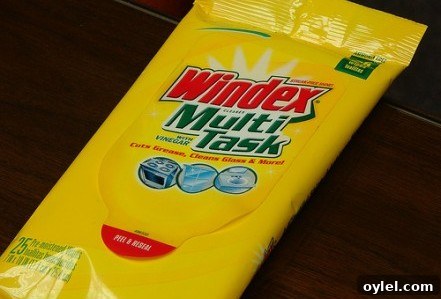
We buy disposable wipes in a container, use regular wet Swiffer cloths, and rely on the Clorox Ready Mop for hardwood floors. These choices let my son participate in cleaning the bathroom and mopping without dealing with heavy liquids, bleach, or other chemicals that could be spilled. We’re also on a septic system, so limiting harsh liquids going down the drain helps avoid stressing the septic tank and can extend the time between pumpings. Yes, those used wipes end up in the trash, but for our family the trade-off is worth it.
What works for us is a mix of convenience and economy. I usually stock up at the warehouse store when there’s a coupon or special, so we buy higher-performing products at a better price. I tried inexpensive wet Swiffer-style wipes from the dollar store, but they didn’t perform well enough for our needs. Overall, we use the wet Swiffer a couple of times a week for routine upkeep. Once a week my daughter or I will do a more thorough sponge-mop job with Spic and Span or a similar cleaner. If the floors get noticeably dirty between those deeper cleans, we’ll do a quick touch-up with the Ready Mop. Our bathrooms are small, so half a dozen wipes and one wet Swiffer cloth usually cover bathroom cleaning for the week.
This approach underlines an important point: thriftiness doesn’t have to be all-or-nothing. Saving money is valuable, but it shouldn’t come at the cost of your family’s safety, comfort, or ability to include everyone in household responsibilities. Spending a bit more on the right product can make chores safer for a child with special needs, reduce stress, and still be economical when you buy smartly—such as taking advantage of sales or buying in bulk.
Practical tips we follow:
– Choose products that are safe and easy for all family members to use.
– Buy higher-quality disposables when they improve safety or participation.
– Stock up during sales or with coupons to lower the per-unit cost.
– Combine quick maintenance (wet Swiffer wipes) with a weekly deeper clean (sponge mop) to keep floors and bathrooms fresh without overdoing it.
– Consider your household infrastructure—like a septic system—when selecting cleaners to avoid costly problems later.
Just another example of how thriftiness can be flexible.
Christy
Tawra: Thank you, Christy. This is a great reminder that the best decision isn’t always the cheapest one. For many families, spending a little more on the right tools or products makes daily life easier, safer, and more inclusive. Making money-saving choices that also support your family’s needs is smart budgeting: it keeps costs down over time while improving quality of life. Sometimes the most economical choice is the one that reduces risk, saves time, and lets every family member help in a meaningful way.
Photo credit: aflcio2008