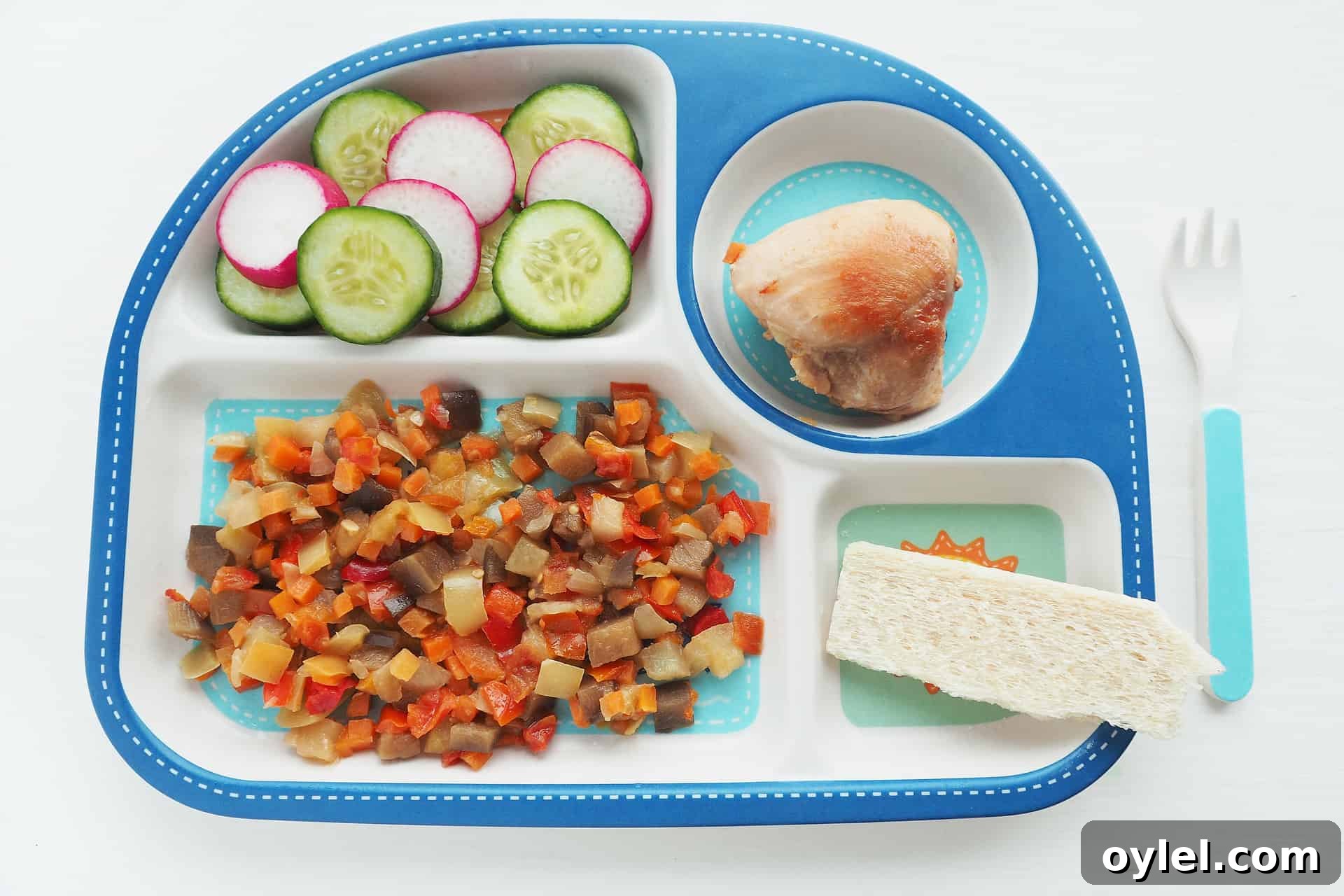
Your toddler refuses meat and you need fresh, workable ideas to encourage them to try it. You know meat provides valuable nutrients like protein and iron that support growth, energy and immune function, and you’d like family meals to be simple and shared rather than preparing separate dishes. I understand — I’m a Registered Dietitian and I’ve faced the same frustrations getting my own children to eat meat and other nutritious foods.
Planning meals feels harder when the main dish is rejected. You may find yourself asking, “Why does my child refuse meat?” It’s much easier when everyone at the table can eat the same meal, and when you don’t have to cook a different plate for your toddler. Some children will only accept items like chicken nuggets or processed sausages at first, and you may want to move beyond that to more nutritious, wholesome options.
Below are practical, evidence-informed tips to help your toddler try meat with less resistance. As a Registered Dietitian Nutritionist who works with toddlers and picky eaters, I share realistic approaches that fit into busy family life.
Toddler Won’t Eat Meat?
If your toddler resists meat, remember that you can meet their protein needs through other foods while you work on exposure to meat. Typical protein requirements are modest for young children: about 13 grams per day for 1–3 year olds and roughly 19 grams per day for 4–8 year olds. For perspective, one large egg provides roughly 6 grams of protein and one string cheese about 7 grams — so protein is often easier to achieve than parents expect.
Well-planned plant-forward meals can adequately meet protein needs, but iron can be harder to obtain without meat. Iron supports oxygen transport and many other bodily functions, so including iron-rich foods is valuable while you help your child expand their tastes. Alternate protein sources include dairy, eggs, soy, nut butters, beans, lentils and fish. However, if your goal is for your child to accept meat, the strategies below can help make that process smoother and less stressful.
How do you get them to eat meat?
First, accept that toddlers often need repeated gentle exposure. You can offer meat many times without forcing it. Coaxing and pressure are different: gentle encouragement, modeling and consistent meals work much better than forcing a bite. Toddlers are still developing their ability to try new things, and novel textures or flavors can feel intimidating to them.
Think of new foods as a series of introductions rather than a one-time test. Your child may want to observe others eat the food, smell it, touch it, and then taste a tiny amount. If you push too hard before they’re ready, they may develop negative associations with mealtime. Patience and predictable, low-pressure exposure will generally lead to better outcomes.
What to know about toddlers and meat
It’s very common for young children to be indifferent or even averse to meat, especially when the texture or moisture level is unfamiliar. Many toddlers eventually come to enjoy meat as their chewing skills and preferences develop. Part of the reluctance is developmental: toddlers are learning to eat, they notice texture differences, and they can be sensitive to unexpected bits or dry pieces. Knowing this helps you adapt how you prepare and present meat so it’s easier for them to accept.
3 best ways to get your toddler to eat meat
Modify the texture

Toddlers prefer meat that is soft, moist and uniform in texture. They are still developing chewing and grinding skills and may not have all molars, so tough cuts or dry, stringy pieces can be off-putting. Even chicken breast can be difficult if overcooked and dry. Ground or finely minced meat often works best because it requires less chewing and has a consistent texture.
Aim for moist textures and small, even pieces. Examples that usually go over well include:
- Bolognese sauce with finely cooked meat
- Meatloaf or mini meatloaves made tender and moist
- Thin burger patties cooked gently to retain juiciness
- Homemade nuggets with a tender interior
- Soft, well-seasoned meatballs
Avoid surprising textures inside meat-based dishes at first — small, plain, uniform pieces are easier for children to accept.
Keep the size small
Smaller pieces are easier to manage for small mouths. A standard adult-sized burger or a large chop may be too big for a toddler to bite and chew comfortably. Serve thin slices, small cubes, or tiny portions — even a grain-of-rice-sized piece when introducing something brand new. This reduces intimidation and increases the chance your child will taste it.
Start with very small amounts and gradually increase the portion as they become familiar with the flavor and texture.
Start with loved flavors
Pair meat with flavors your child already enjoys. Many toddlers prefer sweeter, milder tastes, so adjusting recipes to include a bit of sweetness or a familiar sauce can help. For example, sweeter glazes or fruit-based sauces often make meat more appealing to young palates. Serve the meat alongside a favored dip, sauce, or condiment to give them a comfortable flavor anchor.
Some toddler-friendly ideas that combine meat with liked flavors include:
- Pineapple-glazed baked chicken
- Small honey-glazed ham pieces
- Mild chicken sausages with apple notes
- Honey mustard chicken cut into small bites
- Pineapple or sweet barbecue meatballs
Add a tiny bit of meat into foods they already like

Gently mixing a tiny amount of meat into a food your child already accepts can normalize the flavor and texture. Start with just a few grains-of-rice-sized pieces hidden in something familiar so it’s not overwhelming. Examples include:
- Finely chopped meat inside a quesadilla
- Tiny bits mixed into scrambled eggs or an omelet
- Small pieces stirred into pasta with a favorite sauce
- A thin spread of meat in a sandwich or wrap with a familiar spread
Be honest if your child asks what’s in the food. Building trust at mealtimes is important — don’t sneak ingredients in a way that could erode confidence. Instead, frame it as trying something small together and celebrating the step.
Want more tips for a picky toddler?
There are many gradual, practical steps to help picky eaters expand their diets: consistent mealtime routines, repeated exposure without pressure, modeling by adults and older siblings, and small, predictable sensory experiences with new foods. If you’d like a printable starter guide or step-by-step strategies, consider collecting simple resources that outline exposure plans, texture adaptations and family-friendly recipes to make this a manageable process.

If you want more guidance, look for resources from credentialed nutrition professionals that focus on picky eaters and toddler feeding. Step-by-step approaches, simple recipes and small exposure plans make progress feel achievable. Take it one small bite at a time and celebrate each tiny win — those steps add up.