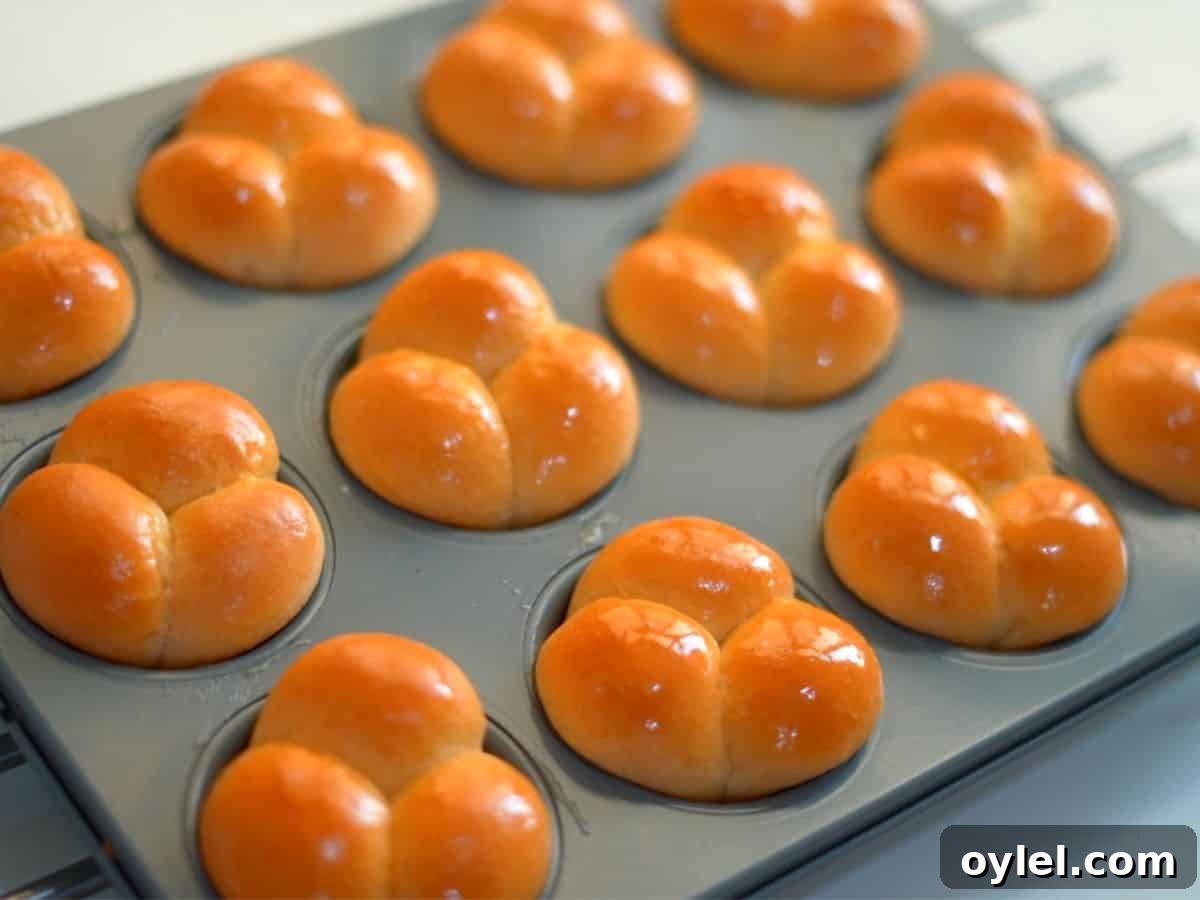
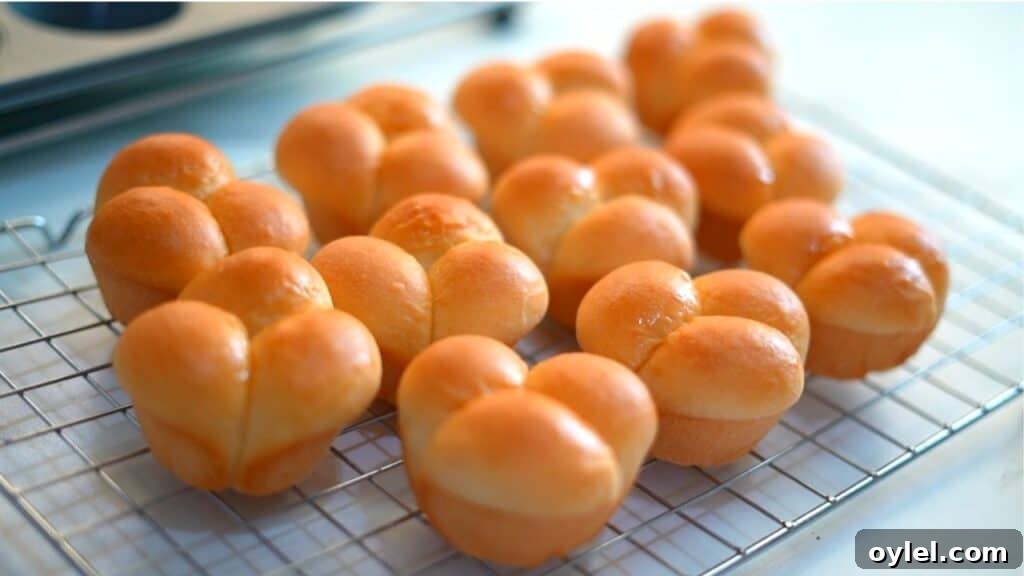
This old-fashioned Cloverleaf Rolls recipe will help you bake soft, buttery, light, and delicious cloverleaf rolls in less than two hours. The smell of warm, freshly baked bread brings comfort and nostalgia, and these classic rolls are perfect for family dinners, holiday feasts, or any meal you want to make special.
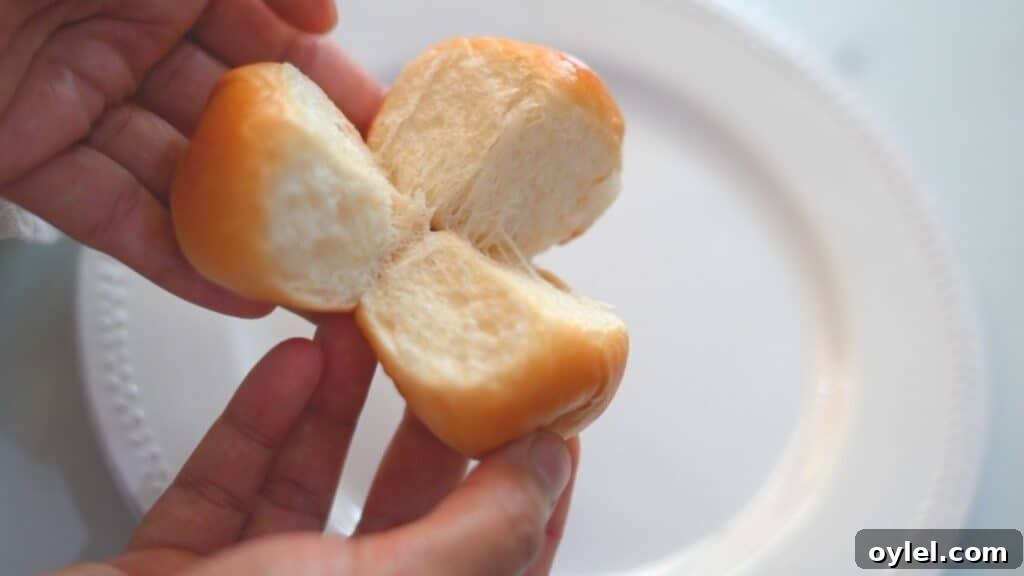
With their distinctive three-ball cloverleaf shape, these rolls are tender inside and golden on the outside. The recipe is straightforward and relies on a few basic ingredients, making it ideal for bakers who want great results without complicated steps.
Why you will love this Cloverleaf Yeast Rolls recipe
- Only six basic ingredients are needed for these easy cloverleaf yeast rolls.
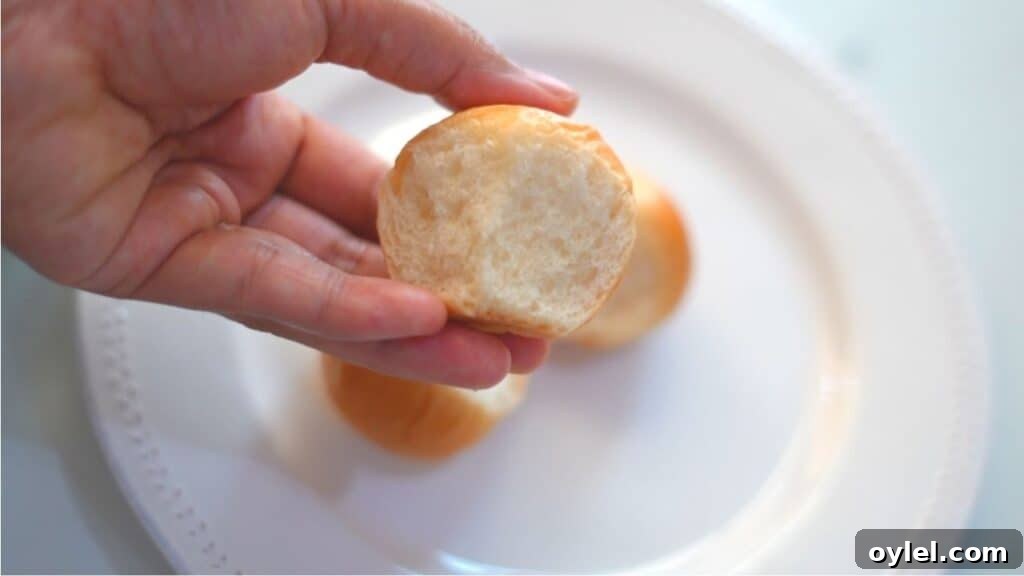
- The rolls bake up beautifully shaped, pillowy soft, and delightfully light.
- This old-fashioned recipe uses a single proofing after shaping, which saves time while still producing tender, fluffy rolls.
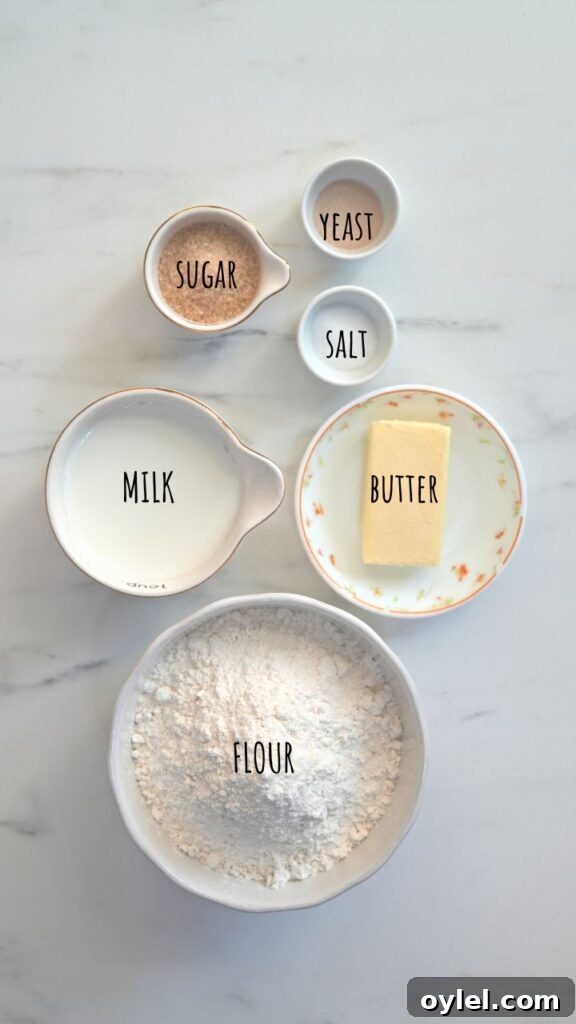
Ingredients for old-fashioned cloverleaf rolls
- Flour: 325 g (about 2 ½ cups)
- Slightly warm milk (not hot): 190 ml (¾ cup + 2 tsp) — or warm water
- Butter: 50 g (about 3 ½ tbsp), at room temperature or melted
- Yeast (instant or active dry): 3 g (1 tsp)
- Sugar: 30 g (about 2 ½ tbsp)
- Salt: 6 g (1 tsp)
How to make old-fashioned cloverleaf rolls
This recipe is made in four simple stages: prepare the dough, divide and shape, proof the shaped rolls, and bake.
1. Prepare the cloverleaf roll dough
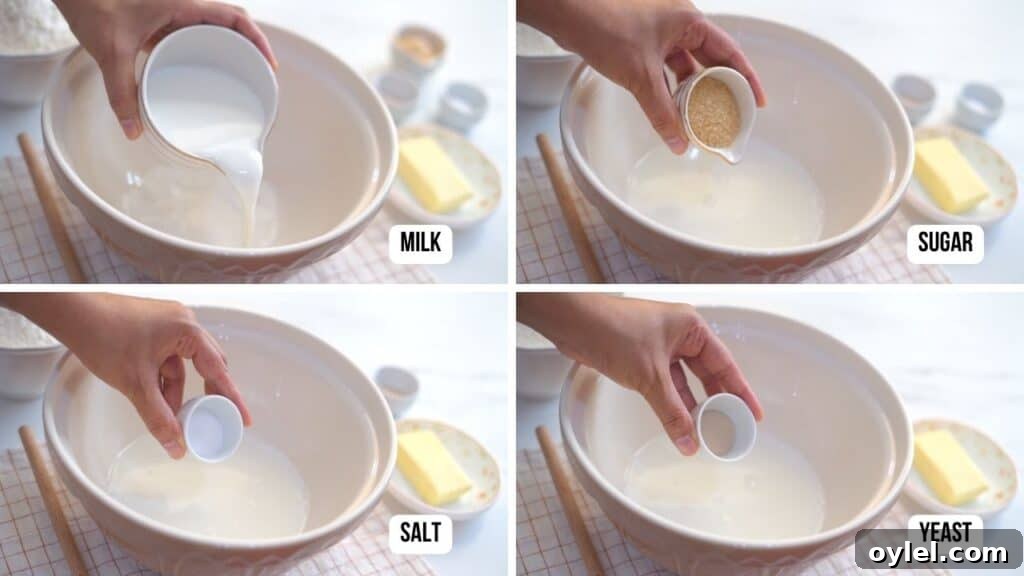
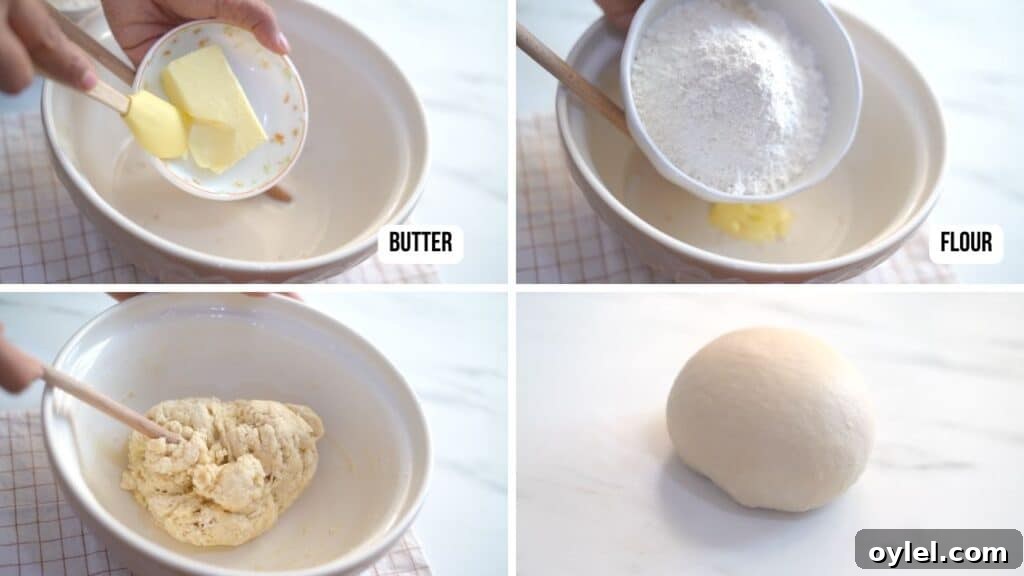
Combine the warm milk, sugar, yeast, salt, softened butter, and flour in a mixing bowl. The milk should be lukewarm—around 95°F (35°C) is ideal. Too hot and the yeast will be damaged; too cold and it won’t activate well. If you prefer, you can use warm water in place of milk.
Mix the ingredients until a shaggy dough forms, then turn it out onto a lightly floured surface and knead until the dough becomes smooth, soft, and elastic. Proper kneading develops gluten and is key to light, fluffy rolls.
2. Divide and shape the dough
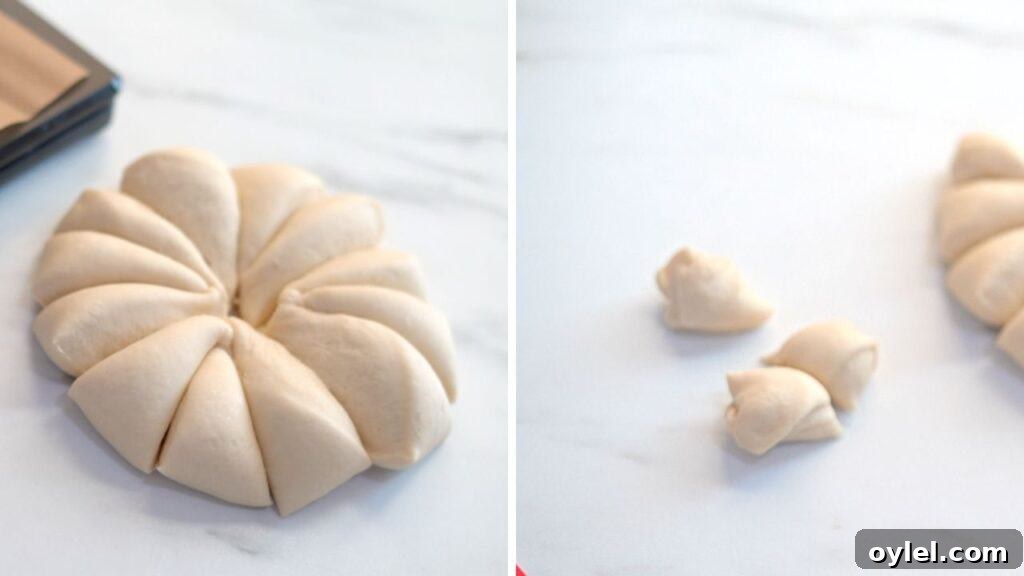
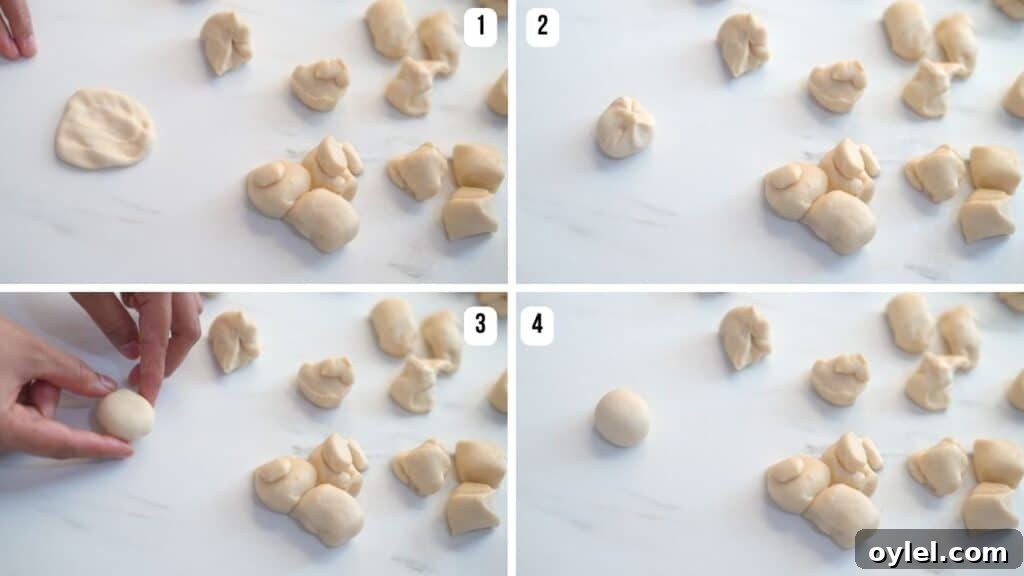
Once the dough is smooth, divide it into 12 equal portions. You can weigh them for accuracy or estimate—each portion will be about 48–51 g. For each roll, divide the piece into three equal smaller pieces (about 16–17 g each) and roll each into a smooth ball by tucking edges under and rotating on the counter.
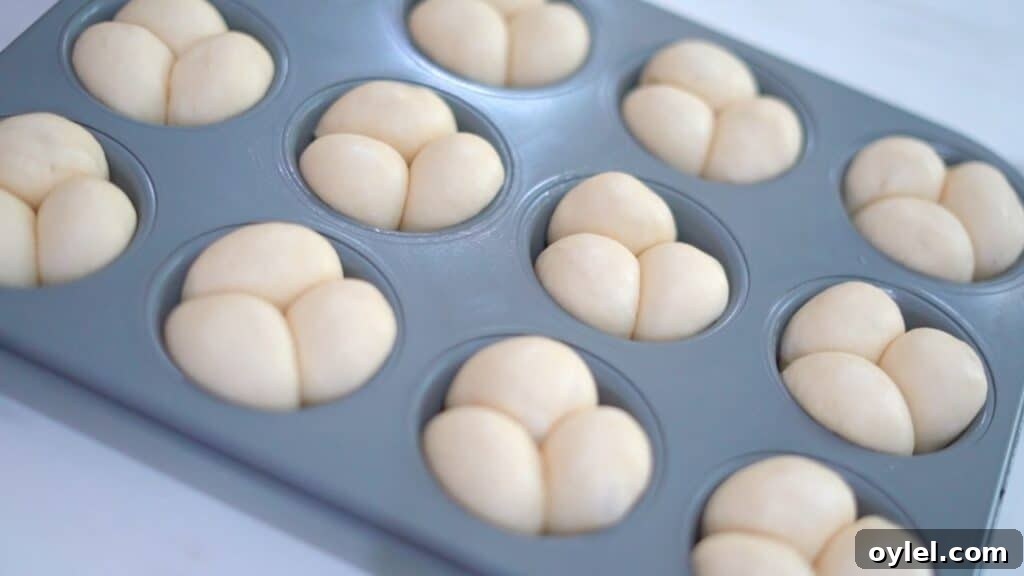
Grease a muffin or popover pan with butter so the rolls release easily after baking. Place three small dough balls into each cup to form the cloverleaf shape. Cover the pan lightly with cling film or a clean kitchen towel for proofing.
3. Proof the shaped cloverleaf rolls
Let the shaped rolls proof in a warm, draft-free spot for about 60 minutes, or until they have puffed up and nearly doubled in size. Proper proofing gives the interior a light, airy crumb.
4. Bake the cloverleaf dinner rolls
Preheat the oven to 350°F (180°C). Bake the rolls for about 20 minutes, until the tops are golden brown. Under-baked rolls will feel doughy inside and have a strong yeasty aroma, so be sure to bake them fully.
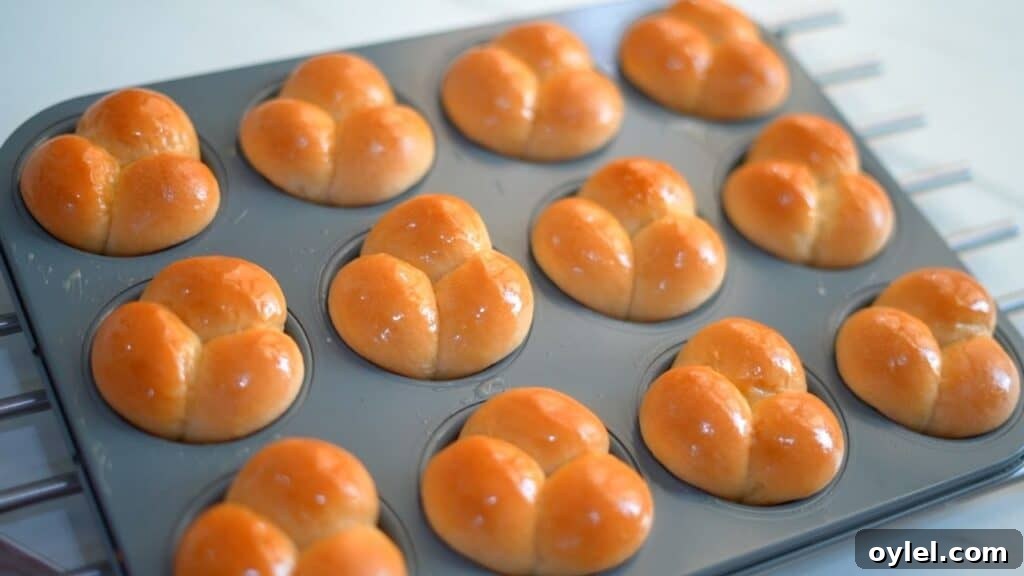
Brush the warm rolls with a little melted butter and transfer them to a cooling rack to prevent soggy bottoms. Serve the rolls warm for the best texture and flavor.
How to store old-fashioned cloverleaf rolls
Once completely cooled, store the rolls in a plastic storage bag or wrapped in foil at room temperature. Properly stored, they will keep well for 3–4 days. In hot, humid climates, freeze them for longer storage.
For freezing: place cooled rolls in a heavy-duty freezer bag or wrap tightly with aluminum foil or plastic freezer wrap. They will maintain best quality for up to three months.
How to reheat cloverleaf yeast rolls
Thaw frozen rolls, then lightly brush or spray them with water and warm in a 350°F (180°C) oven for about 5 minutes. This refreshes their soft texture and brings back that just-baked aroma.
Variations and tips
Adding an egg: Yes, you can add one egg for a richer dough. Reduce the milk by about 45–50 ml (the volume of one large egg) if you add an egg.
Using water instead of milk: You may substitute an equal volume of warm water for the milk. Milk gives a richer flavor and softer crumb, but water works fine when needed.
Notes
- Use lukewarm liquid—warm, not hot—to activate the yeast without killing it.
- Room-temperature butter or a neutral oil works for tender rolls.
- Accurate weighing of dough portions helps produce uniform rolls that bake evenly.
These old-fashioned cloverleaf rolls are simple to make and deliver satisfying, comforting results. Enjoy them fresh from the oven with butter, or serve them alongside soups, stews, and holiday mains.