Today’s class was the most intense so far. This will be a long post, so settle in—there was a lot covered and several techniques practiced.
We tackled a very labor-intensive menu that included homemade mayonnaise, macédoine (explained below), a citrus salad with orange vinaigrette, and strawberry tarts.
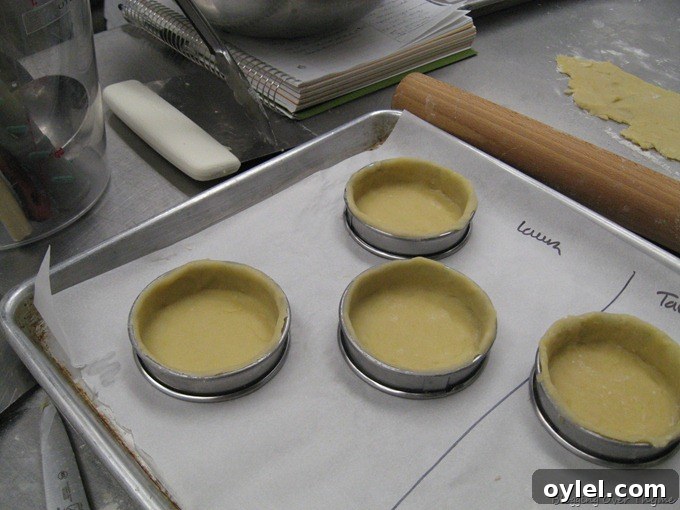
Lecture began with an introduction to PATE SUCREE (“sweet dough”), a classic tart dough. Unlike Pate Brisee, which we learned last week, Pate Sucrée has a texture closer to shortbread or a cookie. It’s made with flour, butter, lemon zest, sugar, vanilla, and whole egg.
We mixed the dough by hand to learn the proper texture and to know how to work without mixers for the initial stages. Because Pate Sucrée is richer in butter, it can crack easily; we prevented this by working quickly, chilling the dough thoroughly, and then rolling it out and fitting it into small 3-inch tart molds. The shells were docked with a fork and blind-baked with beans at 350°F.
The dough is more prone to cracking but is generally easier to shape and can be patched when needed.
After the dough demo, Chef Brian and assistant Ashley showed the rest of the morning menu, which included:
LA SALADE DE CITRUS (Citrus Salad)
LA VINAIGRETTE A L’ORANGE (Orange Vinaigrette)
LA MACÉDOINE DE LÉGUMES (Vegetable Salad with Mayonnaise)
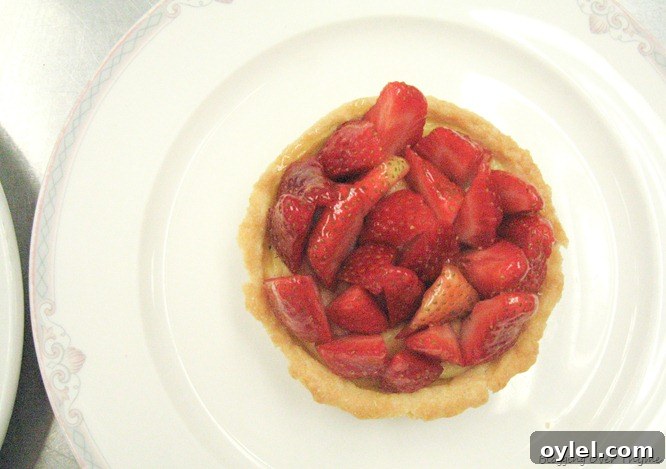
LA TARTELETTE AUX FRAISES (Strawberry Tart)
We began with the macédoine, which, despite sounding straightforward, was time-consuming. Our macédoine combined carrots, turnip, potato, peas, and French green beans cut into a small dice (1/4-inch cubes), tossed with parsley and homemade mayonnaise. Each portion was to be served inside a hollowed tomato and accompanied by sliced hard-boiled eggs.
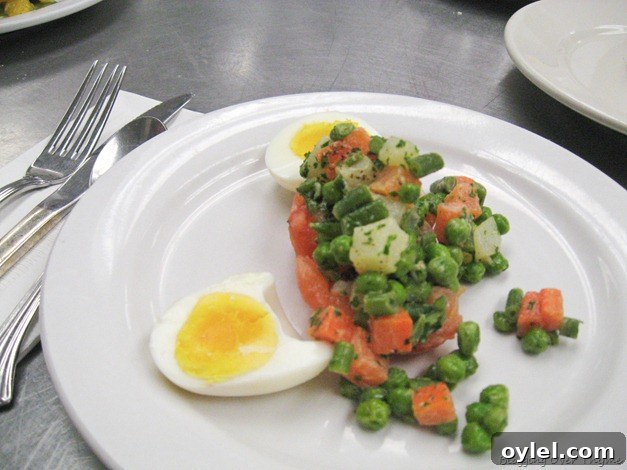
Because different vegetables cook at different rates, we were instructed to cook each vegetable separately and ahead of time to ensure uniform texture in the final salad. We experimented with three batches of haricots verts to see varying degrees of doneness; surprisingly, any remaining crunch is often considered undercooked in this school’s standards.
We also learned when to add vegetables to boiling water and when to start them in cold water. Green vegetables—such as asparagus, peas, and green beans—should be added to rapidly boiling water, while root vegetables—turnips, potatoes, and carrots—should be placed in cold water and brought to a boil so they cook evenly without falling apart. Each pot of water should be well-salted, like seawater, to help preserve color and texture.
After cooking, each vegetable was shocked in an ice bath to halt the cooking, then spread on a towel-lined sheet to dry before assembly. We repeated the boiling process and changed the water between vegetables to maintain temperature and consistency—yes, it’s time-consuming, but it produces better results.
We were also shown the school’s method for perfect hard-boiled eggs: bring water to a vigorous boil, add eggs that are close to room temperature (to avoid cracking), and cook for exactly 12 minutes, then transfer to an ice bath before peeling. The instructors said this yields consistent results whether you’re cooking one egg or many.
Making homemade mayonnaise was another highlight. The emulsion of an egg yolk, Dijon mustard, canola oil, and lemon juice quickly builds body and texture. I’m not usually a mayonnaise person, but the fresh version tasted very different—and I actually liked it.
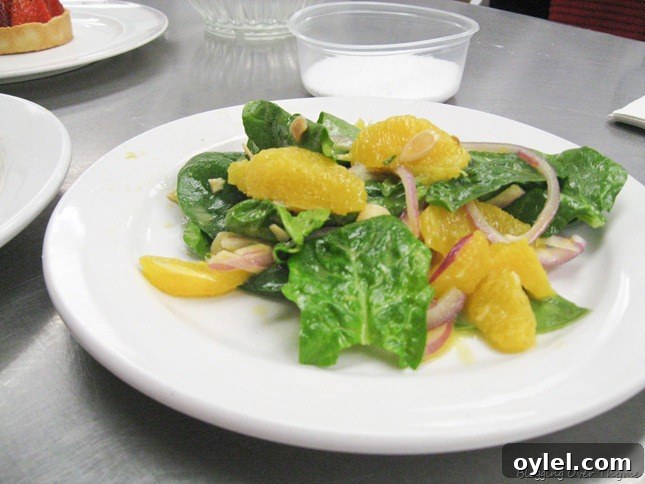
The citrus salad was an exercise in the technique called PELER A VIF, which means to remove the orange peel and pith completely, then segment the fruit to obtain the supremes. We used the remaining orange membrane to squeeze out juice for an orange vinaigrette, combined with a bit of Dijon mustard, minced garlic, and Sherry vinegar.
The salad was assembled with spinach leaves (hand-leafed and washed), orange supremes, very thinly sliced onion, and toasted almonds.
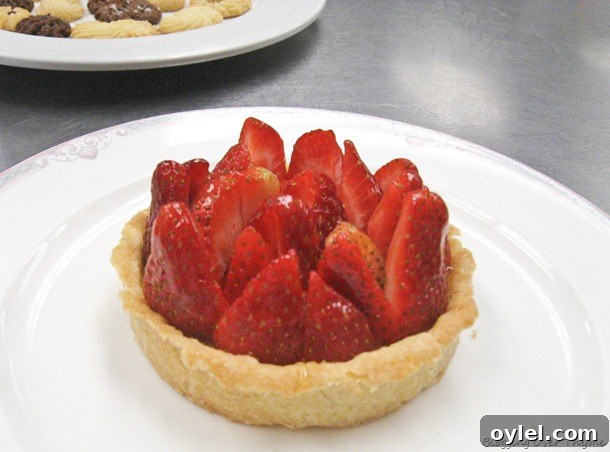
We finished the morning by preparing our Pate Sucrée molds for strawberry tarts. To fill them, we made homemade CRÈME PATISSERIE (pastry cream) from:
- egg yolks
- whole milk
- sugar
- cornstarch
- vanilla
Pastry cream requires whisking egg yolks, sugar, and cornstarch, then tempering with warm milk before cooking over medium-low heat until bubbling and thickened—the point where the cornstarch has cooked and the mixture becomes glossy. We pressed it through a sieve to remove any lumps and added vanilla after it cooled to avoid bitterness. The cream was piped into tart shells but only filled to less than half, so the tart celebrates the fruit above the cream. Strawberries were arranged standing point-up, and an apricot glaze was brushed on for shine.
All dishes were due at lunch—originally 11:00 am—so timing and coordination were critical. Time slipped away and our deadline extended to 11:10, then further. Balancing the separate tasks, working with a new partner, clearing workstations, and plating six plates of each dish made the morning frantic. Despite the rush, my instructor removed one of my tarts to show the school director, who was reportedly impressed, which was a nice confidence boost.
The chef later acknowledged this as one of the hardest days in Phase I, especially since we’d only been in culinary school for four days. That was reassuring—and a little terrifying knowing things will intensify.
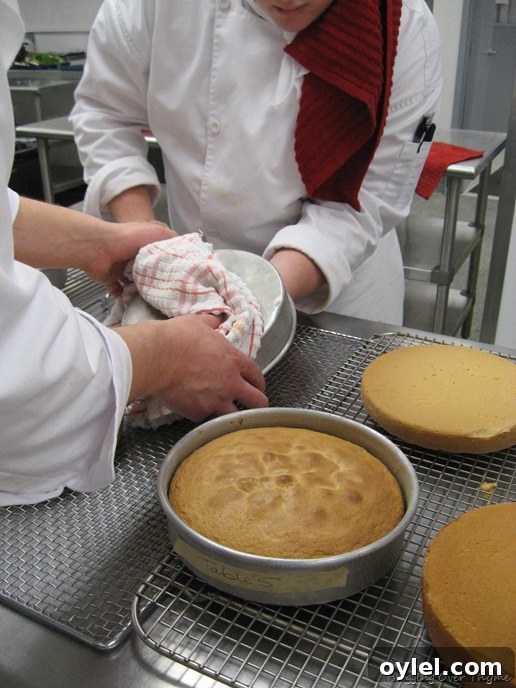
After a short lunch, we trimmed chicken bones for stock under a tighter time constraint, then watched a demo on making GENOISE, a light sponge cake made with whole eggs, sugar, flour, butter, and vanilla. We used the whole-egg sponge method, whisking the eggs over a double boiler until they formed ribbons—a strenuous process but essential for structure. Genoise is light and slightly eggy, commonly used for layer cakes and it freezes well.
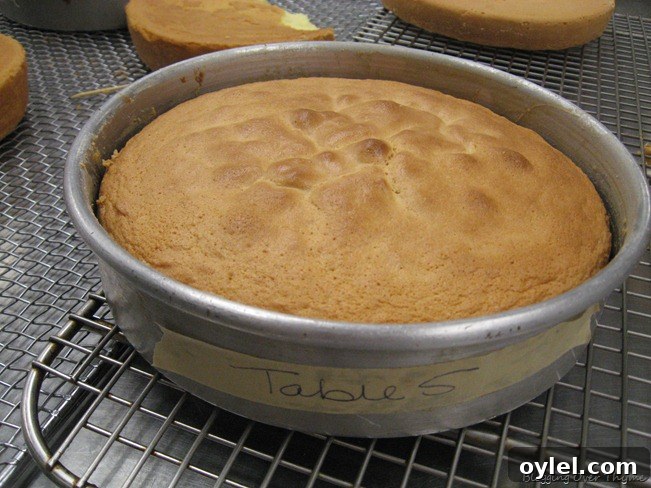
By 2:30 pm the formal class day ended, but cleanup extended our time until around 3:30. Stepping outside afterwards, I was surprised to see snow—always a reminder of how disconnected the kitchen can leave you from the outside world.
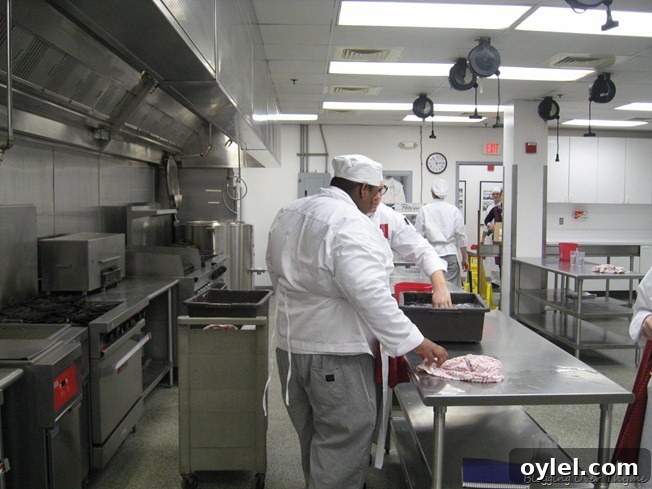
If you made it this far, you deserve a slice of genoise. I’ll be typing up the actual recipes and ingredient amounts this weekend for anyone who wants the step-by-step versions—stay tuned.
Thanks again for all the encouraging comments on my culinary school posts; I’ve really enjoyed writing them so far.