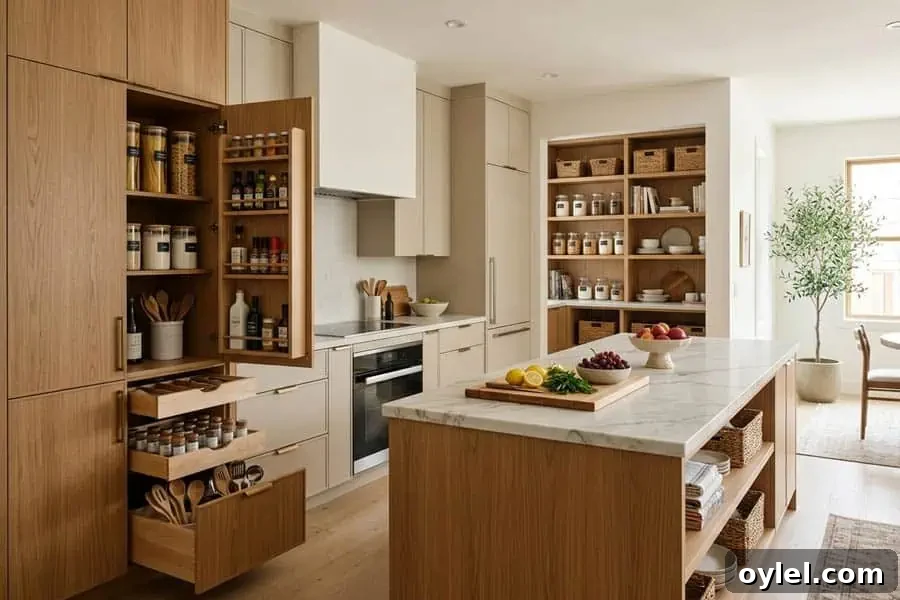
Anyone who spends real time in a kitchen knows that keeping food fresh, organized, and ready to use is half the battle. Whether you’re prepping meals for the week or running a busy service, storage choices quietly determine how well your kitchen functions.
I’ve seen perfectly good food get lost in the back of an overstuffed fridge, containers split in the freezer, and mystery meals with no label or date. Those small problems add up quickly and lead to unnecessary waste.
Fortunately, improving storage is straightforward. A few smart decisions about containers, sealing, placement, and labeling will change the way your kitchen runs day to day. Below are practical tips to tighten your storage routine, protect food quality, and reduce waste.
Contents:
Choosing the Right Food Storage Containers
Proper storage begins with the container. The right choice protects taste, texture, and safety. Consider the material, how well it seals, and whether it stacks efficiently. Investing in the right containers pays off through longer shelf life and less food waste.
Material Selection
Glass is a popular option because it doesn’t retain odors or stains, is microwave-safe, and generally holds up over time. It’s also ideal when you want a transparent view of what’s inside.
Plastic can be lighter and more convenient for transporting meals. Choose high-quality, food-grade plastics designed for repeated use. For professional kitchens or heavy daily use, look for durable materials that resist cracking and warping.
Airtight Seals
Air exposure accelerates spoilage. Containers with reliable, airtight lids preserve moisture, protect flavors, and reduce freezer burn. A well-sealed container is one of the easiest ways to extend freshness.
Stackable Design
Stackable containers save space and make a fridge or freezer easier to navigate. Choose uniform sizes when possible so trays and containers nest cleanly and maximize vertical storage.
Best Practices for Refrigerating Prepared Meals
Cooling, labeling, and placing items correctly in the fridge are simple steps that protect food and simplify meal service. Always cool hot foods before sealing, label with date and contents, and arrange so older items are used first.
Use Freezer Safe Containers
Not all containers handle freezing temperatures. Use containers labeled freezer-safe to prevent cracking and to protect food from freezer burn. Proper containers also make thawing and reheating easier and safer.
Leave Space for Expansion
Liquids expand when frozen. Leave headspace in jars and bottles or use flexible packaging to avoid splitting lids and messy leaks. That small extra space prevents a lot of cleanup later.
Preventing Cross Contamination
Food safety should guide how you store ingredients. Keep raw meats and poultry separate from ready-to-eat items, and use color-coded containers or labeled trays to prevent accidental transfer of bacteria. Consistent routines—dedicated containers, clear labeling, and separate shelving when possible—make safe handling automatic.
Organizing Your Storage Space
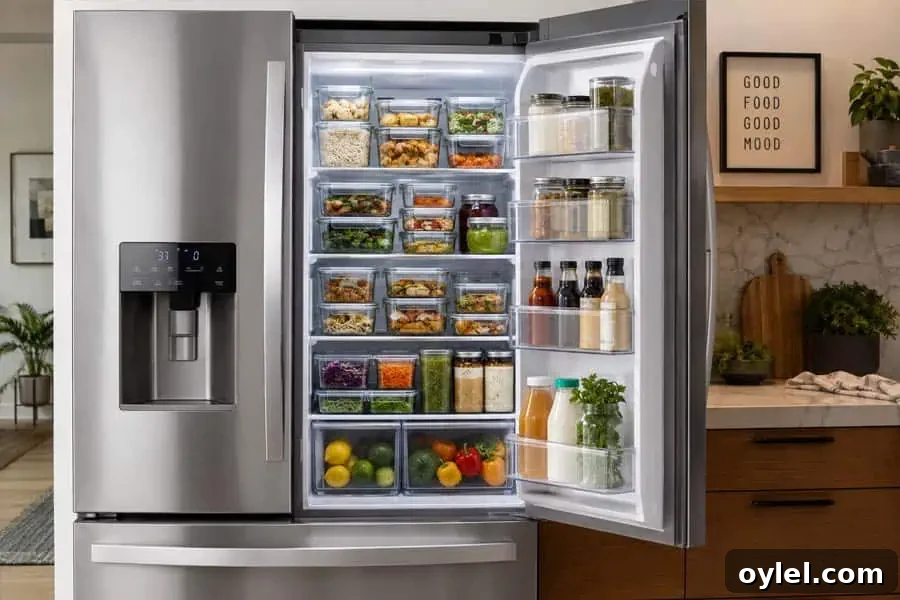
A tidy fridge and freezer make it easier to find items and reduce waste. Practice FIFO (first in, first out) by placing older items at the front. Clear containers or readable labels help you see what you have at a glance, so leftovers don’t get forgotten. Consider investing in sturdy shelving or racks to create consistent zones for different foods.
Maintaining Food Quality During Reheating
Storing food well is only part of the equation. Reheating properly preserves flavor and ensures safety. Reheat leftovers until they reach 165°F (74°C) internally to reduce the risk of harmful bacteria and to restore the best possible texture and taste.
Common Food Storage Mistakes to Avoid
Common errors include using the wrong containers, ignoring date labels, and keeping fridges too warm. Regular spot checks and a simple labeling routine prevent most spoilage. Small oversights—like sealing wet containers or stacking without airflow—often lead to bigger problems.
The Role of Restaurant Supplies in Efficient Meal Prep
Professional supplies—durable containers, racks, labeling tools, and color-coded systems—make organization and speed possible in busy kitchens. Adopting a few pro-style habits at home, such as consistent labeling and sturdy shelving, reduces clutter and keeps meal prep running smoothly.
Why Smart Storage Makes Every Meal Worth It
How you store food affects taste, safety, and how long meals last. Using reliable containers, maintaining safe temperatures, and following simple organization rules reduces waste and preserves flavor. Whether you cook for family or run a busy kitchen, smart storage turns effort into consistent, delicious results.
FAQs
1. Can I Freeze Meals Directly after Cooking?
Allow hot food to cool slightly before sealing for the freezer. Trapping steam can create excess moisture inside the container and affect texture and flavor. A brief cooling period reduces condensation and preserves quality.
2. Why Are Restaurant Supplies Important for Food Storage?
Durable, purpose-built supplies simplify sorting, labeling, and safe storage. They help systems run smoothly so food lasts longer and preparation stays efficient.
3. How Do I Prevent Freezer Burn?
Use airtight containers or vacuum-seal bags, remove as much air as possible, and ensure lids are fully closed before freezing. Proper packaging and minimizing air contact are the best defenses against freezer burn.