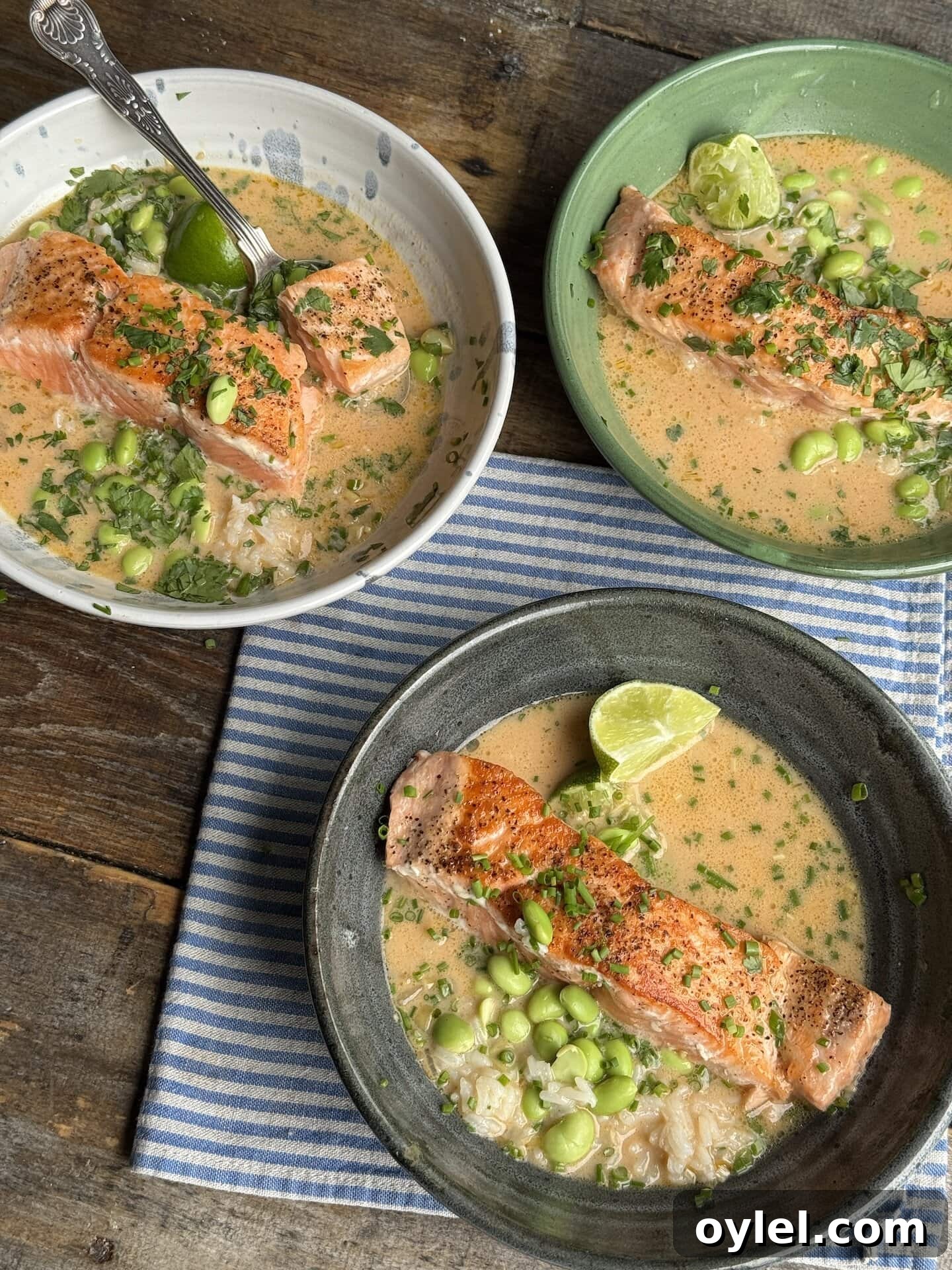
Make this Salmon with Coconut Curry Broth for a simple, elegant dinner that tastes indulgent without being heavy. The fragrant, tangy broth pairs beautifully with tender salmon, and the dish works well year-round—delicious for a light summer meal or a cozy weeknight dinner.
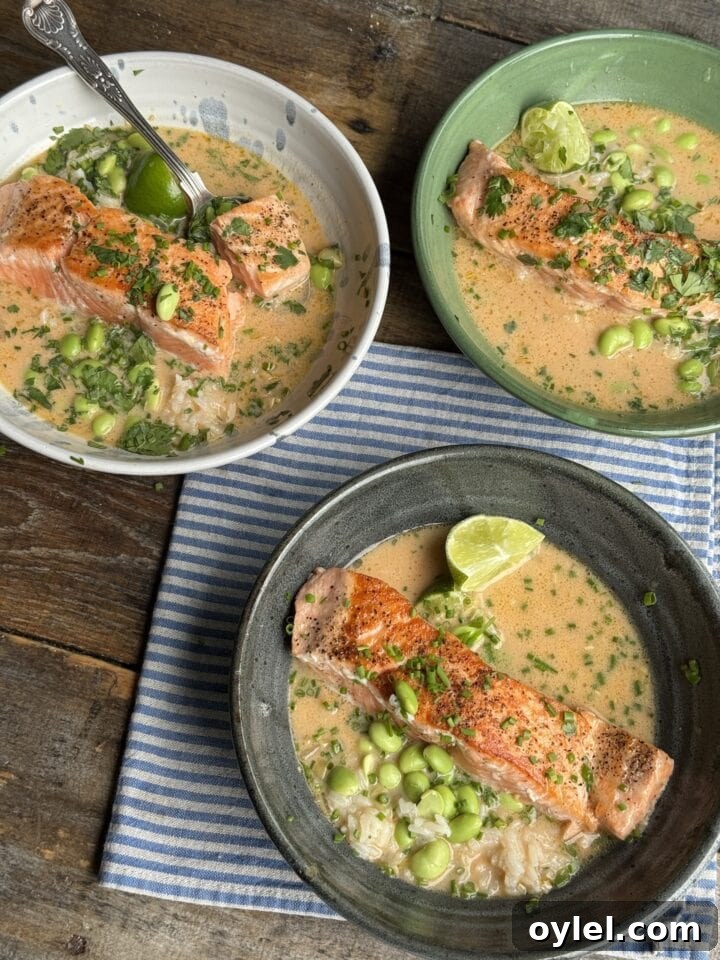
A Note from Teri on Salmon with Coconut Curry Broth
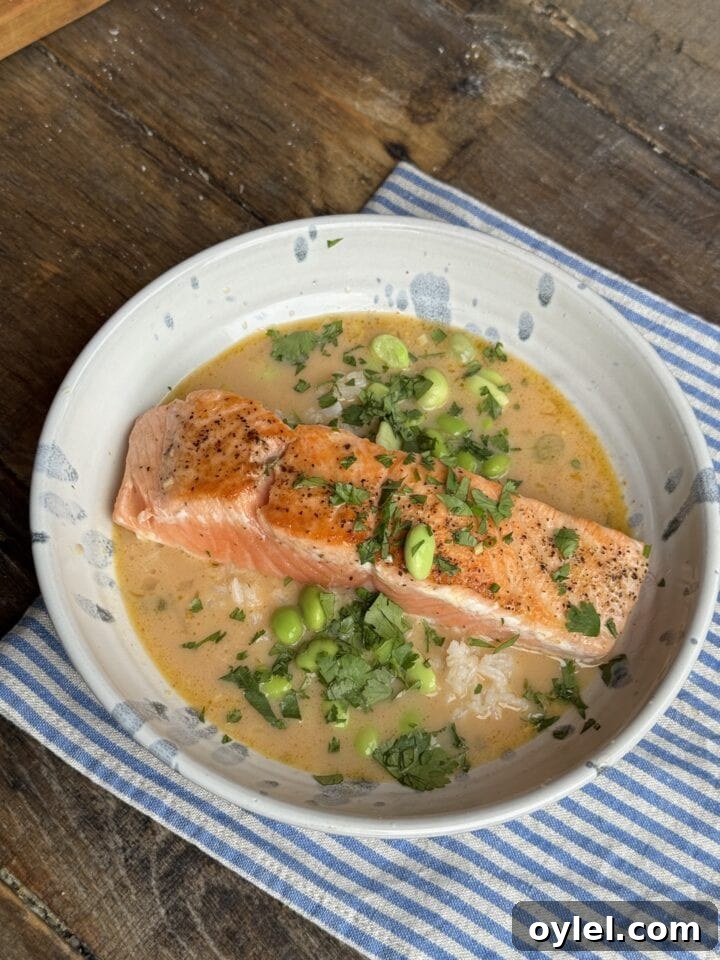
This Salmon with Coconut Curry Broth is deceptively easy and truly impressive. The technique is straightforward, but the result is bright, layered, and restaurant-quality. Serve a shallow bowl of warm coconut curry broth with a scoop of jasmine rice, a few edamame, and a perfectly cooked salmon fillet on top. A simple green salad or a platter of fresh herbs on the side completes the meal.
I shared this recipe with friends for a dinner recently, and everyone raved about it—creamy, aromatic, and balanced. The key is not to overcook the salmon: high-quality fillets cooked to medium-rare (or just shy of fully done) keep the texture silky and the flavor fresh. Overcooking causes the fish to dry out and release more albumin, which can make the surface appear white and chalky. Cook gently and enjoy the contrast of the crisped skin and tender interior.
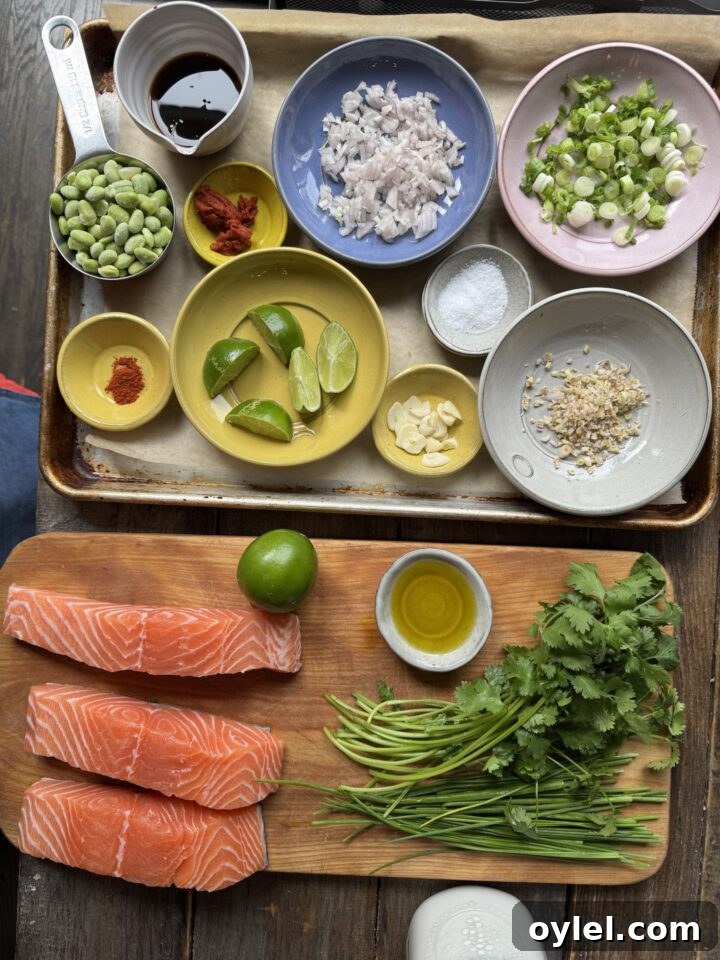
Ingredients & Variations
Below are the ingredients and a few easy swaps to adapt the recipe to your pantry or preferences.
Edamame:
- Kosher salt
- ½ cup frozen edamame (per recipe yield)
Rice:
- 1 cup uncooked jasmine rice
- 1 ½ cups water
- 1 tablespoon butter
Broth:
- 1 tablespoon olive oil
- ¼ cup finely chopped shallots
- 1 large garlic clove, sliced
- ¼ cup sliced scallions
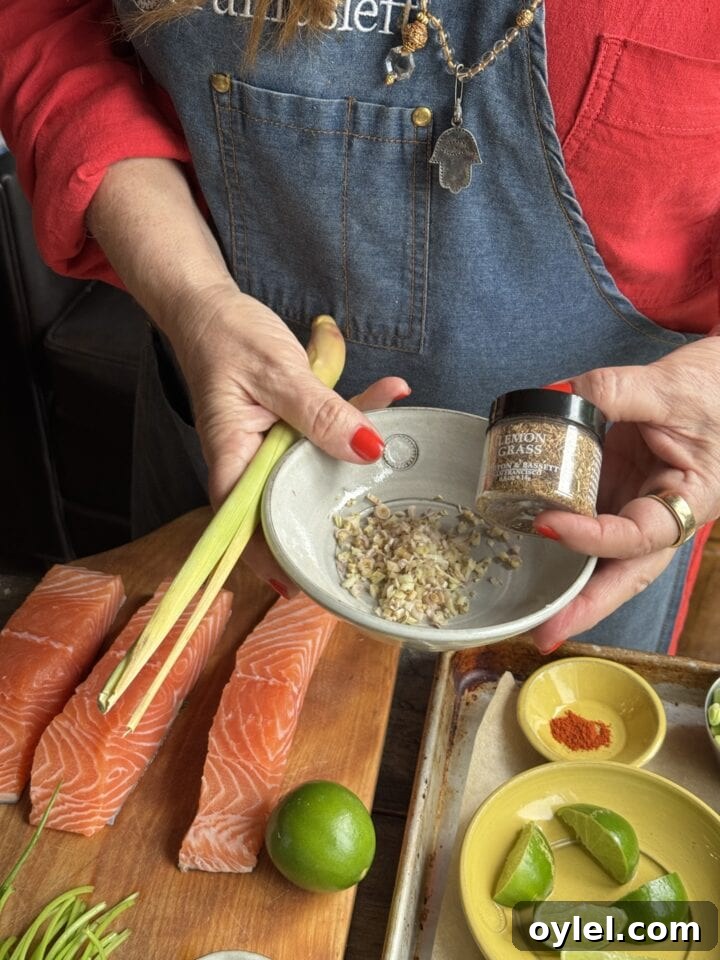
- 2 tablespoons finely chopped lemongrass (bash the stalk before chopping to release flavor)
- 1 teaspoon kosher salt, divided
- 1 tablespoon Thai red curry paste
- 2 cups chicken broth (or vegetable broth for a pescatarian option)
- 1 can coconut milk, shaken or blended to combine
- 1/8–1/4 teaspoon cayenne (adjust to taste)
- 2 tablespoons coconut aminos (or soy sauce if not avoiding gluten)
- 2 tablespoons fresh lime juice
- 2 teaspoons coconut sugar (optional)
Salmon:
- 4 salmon fillets (6–8 ounces each), skin-on
- Kosher salt and freshly ground black pepper
- Olive oil for cooking
For serving:
- Finely chopped chives
- Finely chopped cilantro (or basil/mint as alternatives)
- Ground sumac (optional)
- Lime or lemon wedges
Tip: dried lemongrass is a handy pantry item for this dish if fresh stalks are unavailable—rehydrate or finely chop before using. You can also swap chicken broth for vegetable broth to keep the recipe fully pescatarian, and adjust the heat by adding more or less curry paste and cayenne.
How to Make This Salmon with Coconut Curry Broth
Step One: Make the Edamame and Rice
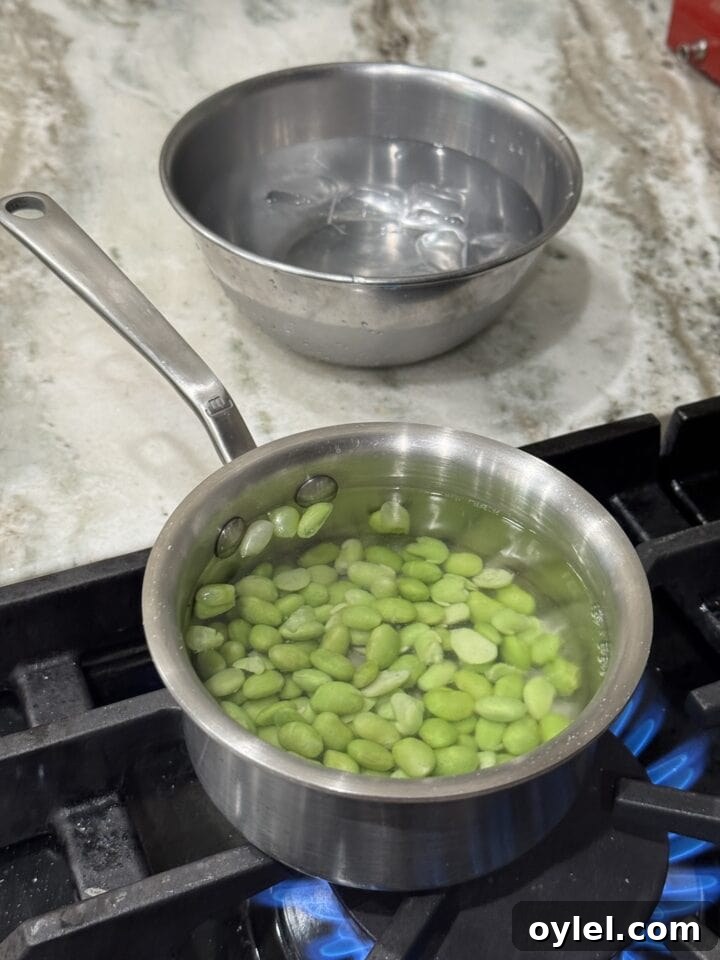
Bring a small pot of salted water to a boil and blanch the edamame for about 2 minutes. Transfer to an ice bath to stop the cooking, then drain and set aside.
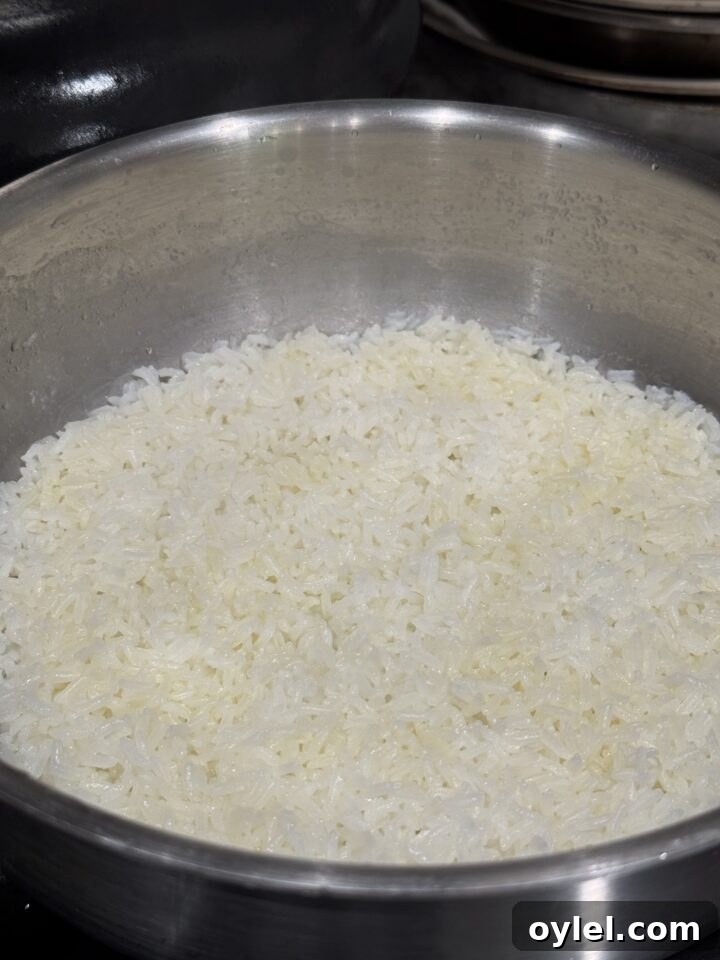
Rinse the jasmine rice under cold water until the water runs clear. Combine the rice, 1 ½ cups water, and butter in a medium pot. Bring to a boil, then reduce to a low simmer, cover, and cook according to package directions—typically 12–15 minutes. When the rice is tender, remove from heat and keep covered until serving.
Step Two: Make the Broth
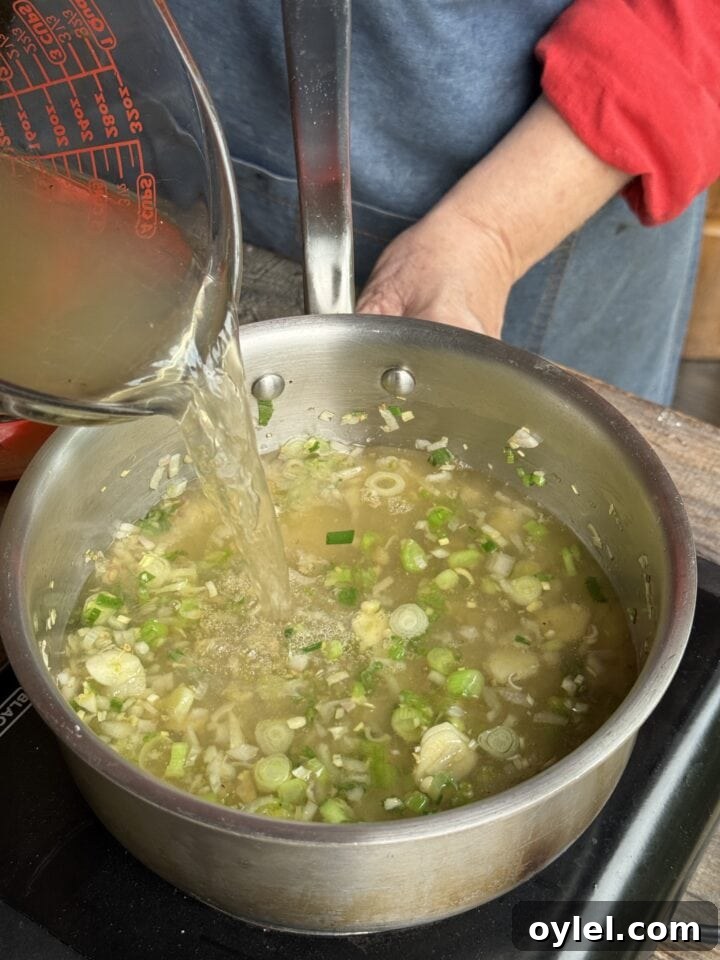
Heat the olive oil in a medium pot over medium heat. Add the shallots and garlic and cook, stirring, until fragrant—about 30 seconds—taking care not to brown them. Add the scallions, lemongrass, and half of the salt, and cook until softened, about 1 minute.
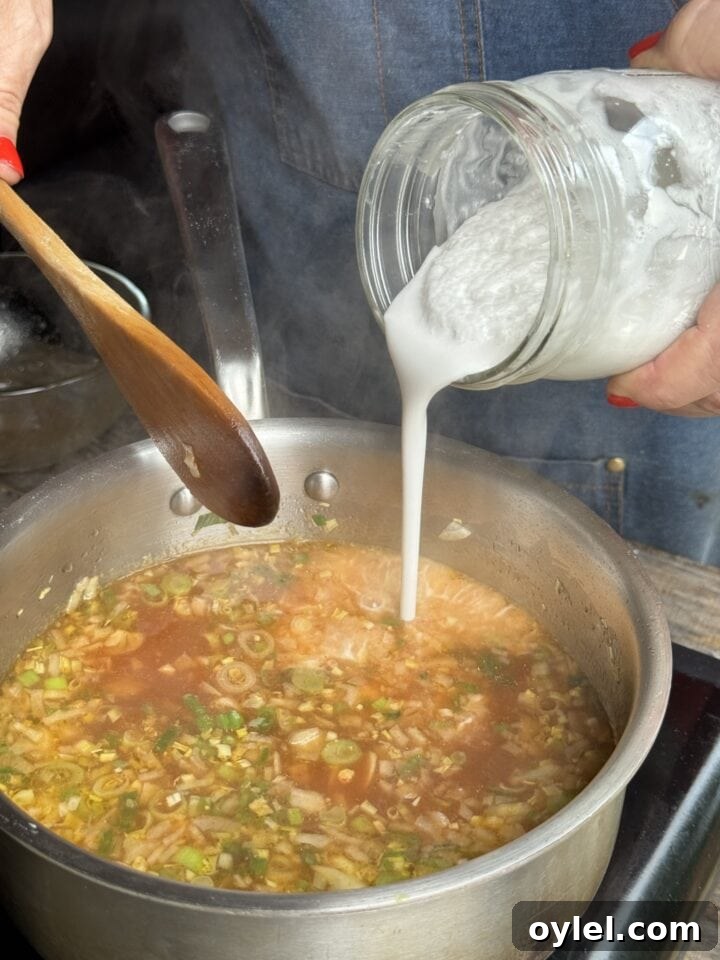
In a small bowl, dissolve the Thai red curry paste in a splash of the chicken broth, then stir it into the pot with the remaining stock. Scrape the pan to lift any flavor-packed bits. Add the coconut milk, the remaining salt, and cayenne, then return to a gentle simmer. Finish the broth with coconut aminos and fresh lime juice, and add a touch of coconut sugar if you want a rounder sweetness. Simmer for a few minutes, then remove from heat and keep warm.
Step Three: Cook the Salmon and Assemble
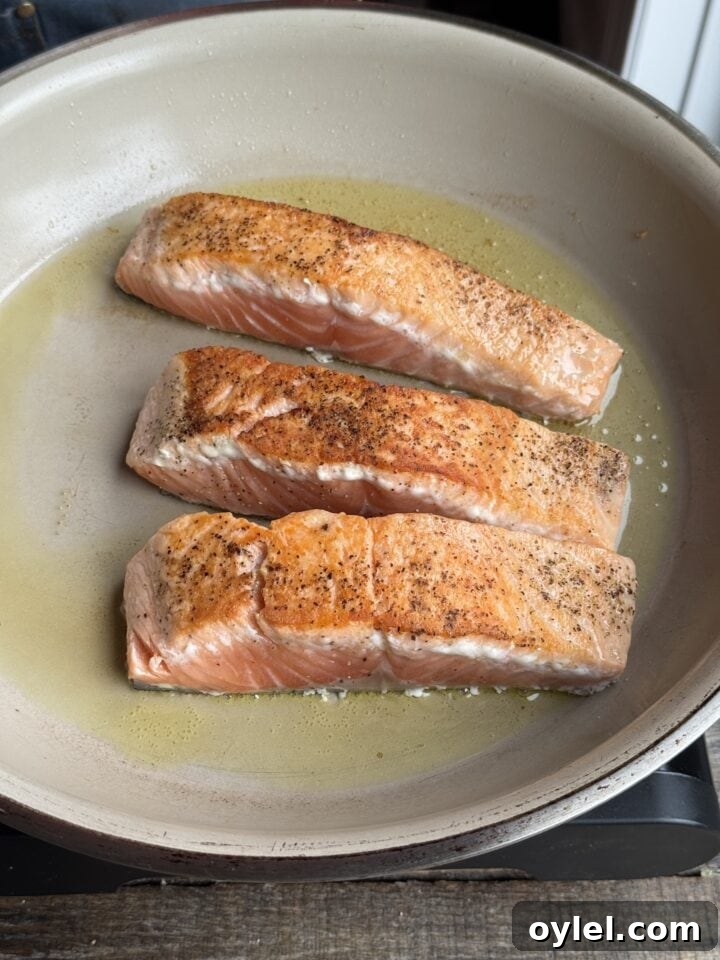
Pat the salmon fillets dry and season evenly with the remaining kosher salt and black pepper. Warm a large skillet over medium heat and add 2 tablespoons of olive oil. Place the fillets skin-side down and cook for 3–4 minutes, depending on thickness, until the skin is crisp. Flip and cook another 3–4 minutes for medium doneness; reduce or extend cooking time to suit your preference.
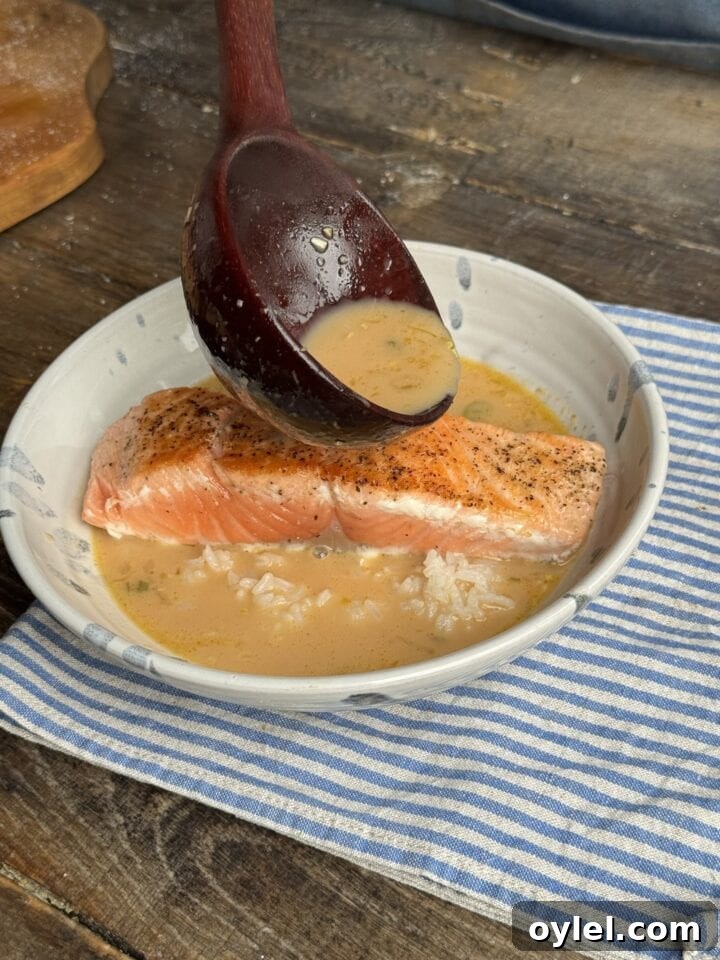
To serve, warm the broth gently. Ladle a couple of spoonfuls into each shallow bowl, add about 1/4 cup blanched edamame and a scoop of rice, then place a salmon fillet on top. Garnish with chopped chives and cilantro, a sprinkle of ground sumac if you like, and offer lime or lemon wedges alongside. Serve immediately and enjoy the fragrant, silky broth with the tender fish.
How to Store Your Salmon with Coconut Curry Broth
The broth stores very well and tastes even better the next day. Once cooled, transfer the broth to an airtight container and refrigerate for up to 3–4 days. Reheat gently on the stovetop and use with freshly cooked salmon, poached chicken, or as a base for noodles or stir-fries. Cooked salmon is best eaten the day it’s made; if you must store cooked fish, keep it chilled and consume within 1–2 days.
Try These Other Salmon Recipes
- Greek Quinoa Salad with Salmon
- Crispy Rice & Salmon Bowl
- Weeknight Salmon Rice Bowl
- Celebration Salmon Salad with Creamy Dressing
If you make this Salmon with Coconut Curry Broth, please leave a review and share your tweaks—did you add more heat, swap the garnish, or try a different grain? Knowing what worked for you helps others cook with confidence. Enjoy, and happy cooking!