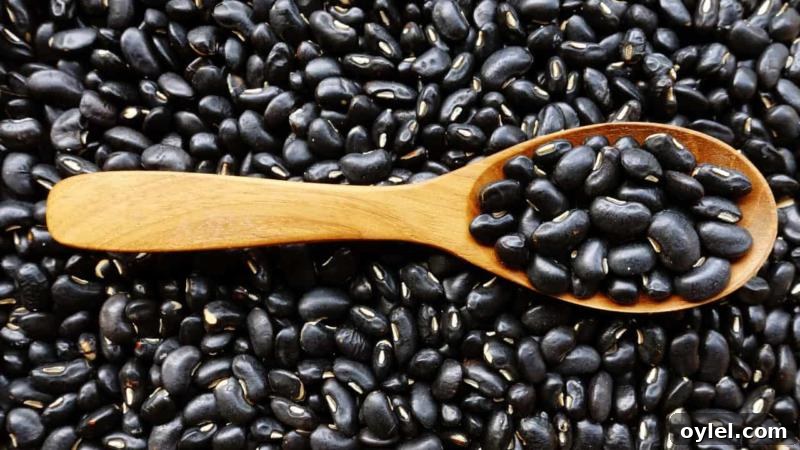
How to Heat up black beans?
Black beans are versatile, nutritious, and easy to use in many recipes. When using canned beans, reheating is quick but can be done in several ways depending on how you plan to use them. Below are clear, practical methods for heating canned or refrigerated black beans so they retain flavor and texture.
Table of Contents
How Do You Heat Up Black Beans?
The fastest and most reliable way to heat canned black beans is on the stovetop. Pour the contents of the can into a saucepan, warm over medium to medium-high heat, and stir occasionally until they begin to simmer. Once they are hot throughout and steaming, they are ready to serve.

Using a Microwave
Microwaving is the quickest option and works well when you need beans heated for a single serving or as a quick side. Empty the can into a microwave-safe bowl. Keep some of the can liquid because it helps the beans heat evenly and prevents them from drying out.
- Cover the bowl loosely to avoid splatter.
- Heat on high in 30- to 60-second increments, stirring between intervals.
- Stop when the beans are hot throughout and steaming.
Avoid overheating, which can make beans mushy and reduce flavor. Microwaving is also convenient for reheating beans stored in the refrigerator.
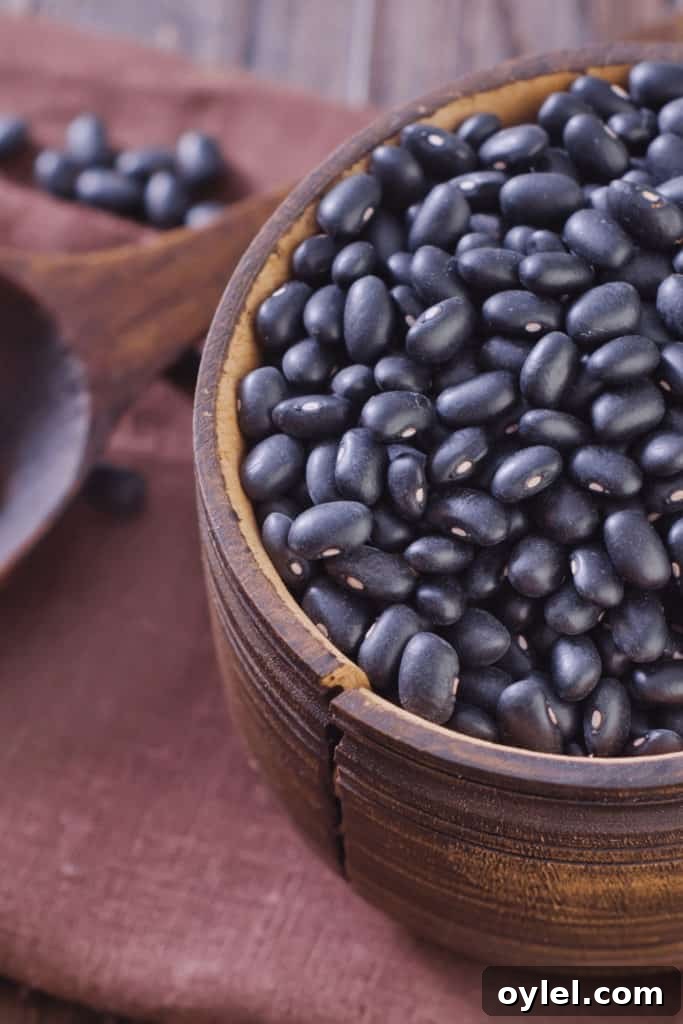
Using a Pot on the Stovetop
Heating beans in a pot is ideal when you want to warm multiple cans or prefer better control over texture. Pour the can and its liquid into a saucepan, or drain slightly if you want less liquid. Use medium to medium-high heat and stir occasionally so the beans warm evenly and don’t stick to the bottom.
When you see gentle simmering and steam, the beans are ready. This method concentrates flavor and lets you adjust seasoning—add salt, pepper, cumin, or a splash of lime juice while heating to brighten the beans.
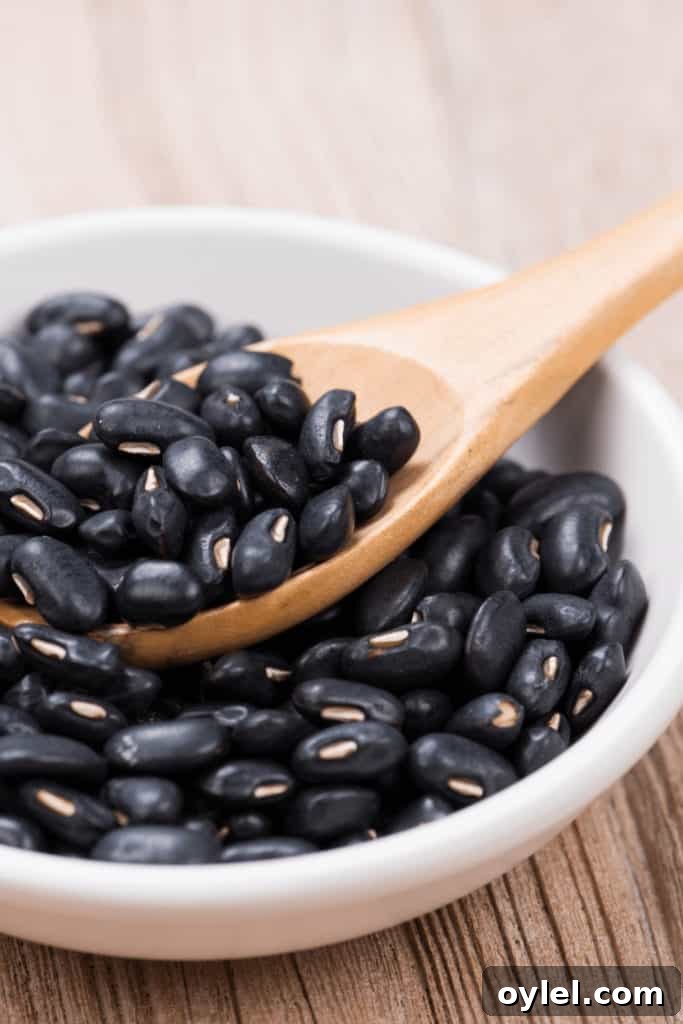
Add Them While Cooking Other Ingredients
If your recipe calls for beans to be combined with other ingredients—such as in soups, chilis, or one-pan dishes—add the beans toward the end of cooking. They will warm through as the other components finish cooking. For this method, drain most of the can liquid so the dish does not become too watery.
This technique is especially useful with slow cookers or casseroles where everything heats together and flavors meld. Stir the beans gently into the hot pan and let them simmer with the other ingredients for a few minutes.

Use Boiling Water
Boiling beans in water is less common for canned beans but can be useful if you want to rinse and gently reheat them without added can liquid. Bring a pot of water to a boil, lower the heat, and add the drained beans. They only need a minute or two to warm through. Remove with a slotted spoon or ladle and drain well.
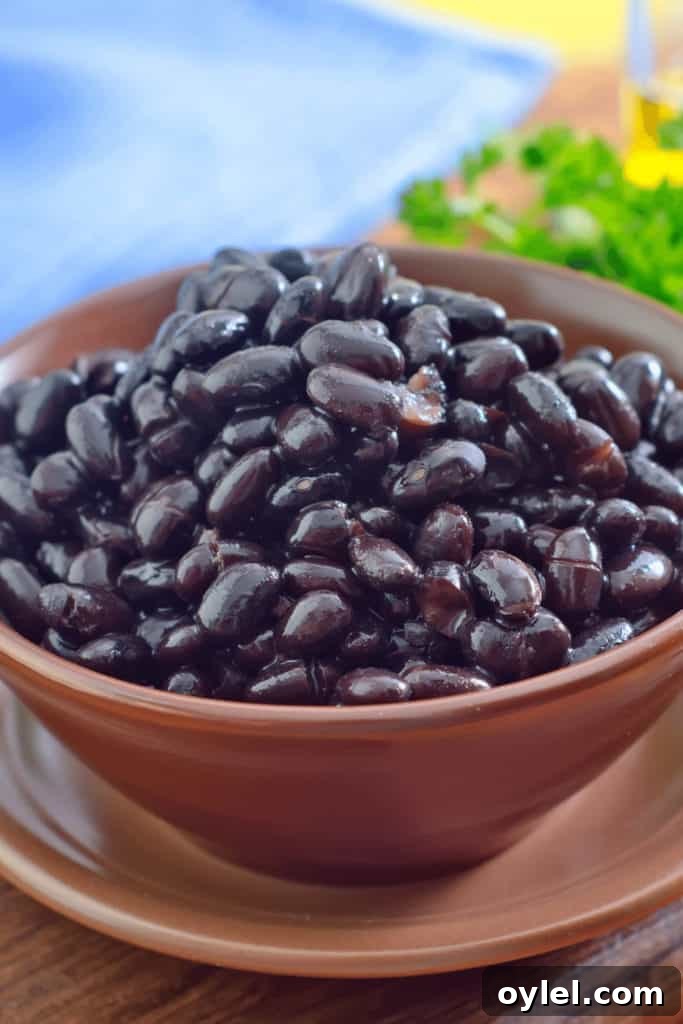
Frequently Asked Questions About How to Heat up Black Beans
Can you heat up black beans that have been in the fridge?
You can warm refrigerated black beans the same way you would a freshly opened can. Since they are already cooked, you only need to heat them until warm. Microwave or stovetop both work well. Taste and adjust seasoning after reheating.
Should you drain and wash the beans before heating them up?
Draining and rinsing depends on how you plan to use the beans. Keep the can liquid if you want extra starch and flavor for soups or to prevent drying while microwaving. Drain and rinse if you prefer less sodium, want a cleaner flavor, or are adding the beans to a sauté or salad.
Conclusion About How to Heat up Black Beans
Reheating canned black beans is quick and flexible. Use the microwave for speed, the stovetop for control and flavor adjustments, or add beans directly to a cooking dish to warm them with other ingredients. Boiling works if you prefer rinsed beans warmed gently. Choose the method that fits your time and recipe, and season to taste for the best results.