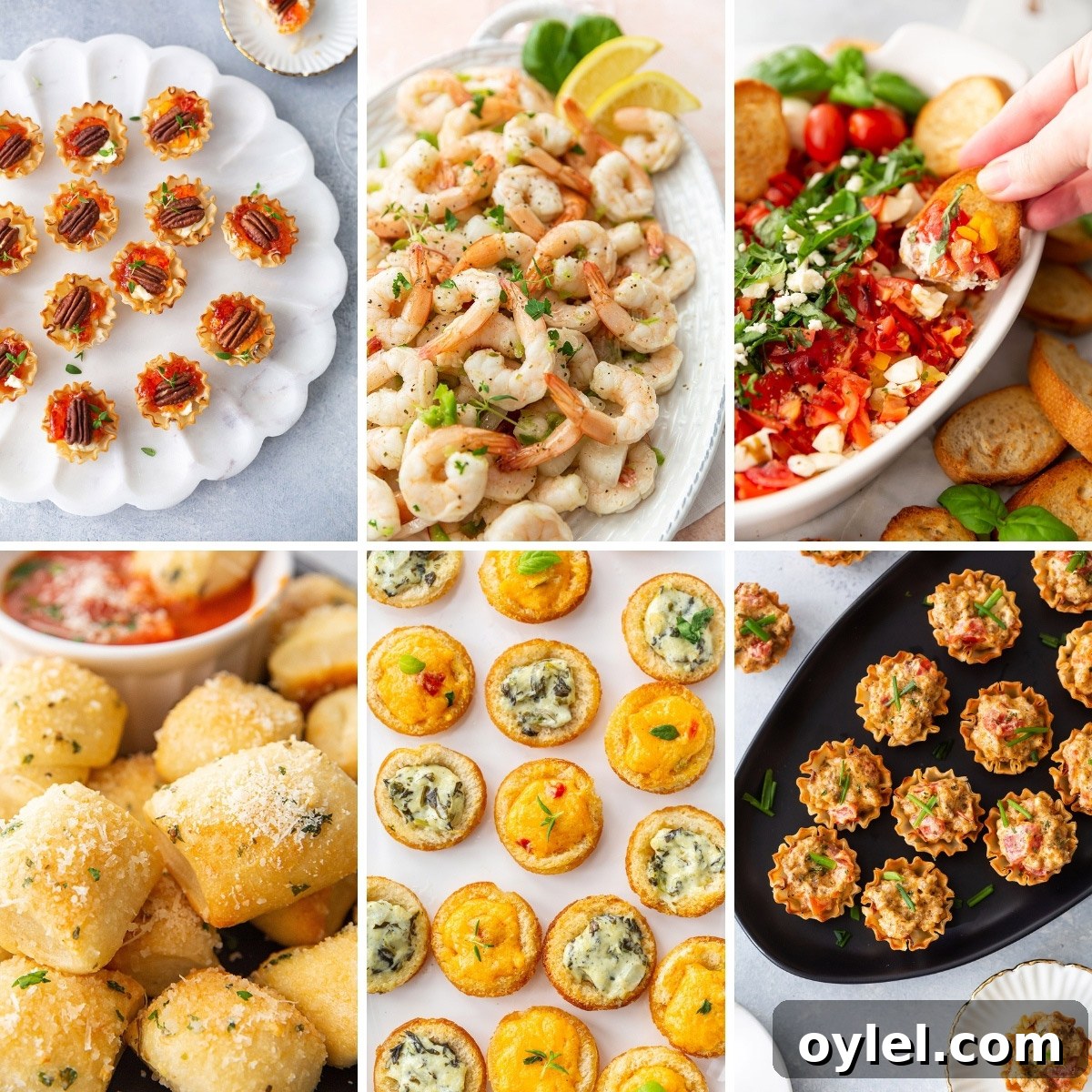
Appetizers and hors d’oeuvres: many people use these terms interchangeably, but there are subtle differences worth knowing. This article explains what each term means, how they differ in portion, timing, and setting, and offers common examples to help you choose the right bite for your event.
What is an Appetizer?
An appetizer is a small dish or drink served to stimulate the appetite before a main meal. The term comes from the word “appetite,” and historically it refers to the first course of a formal meal. Appetizers are typically planned to complement the flavors of the main course and are often served seated at the dining table. They can be hot or cold, simple or elaborate, but their purpose is to prepare diners for the courses that follow rather than to fully satisfy hunger.
What is an Hors d’oeuvre?
Hors d’oeuvre (pronounced awr-durvz) is a French phrase that literally means “outside the work,” indicating foods that sit outside the standard sequence of a meal. These are usually small, often handheld items intended to be eaten in one or two bites. Hors d’oeuvres are commonly served before a meal at cocktail hours, receptions, or standing events where guests mingle. While they perform a similar appetite-stimulating role as appetizers, hors d’oeuvres are typically designed for convenience and easy consumption while standing or walking around.
What is the difference between appetizers and hors d’oeuvres?
Both appetizers and hors d’oeuvres aim to whet the appetite, and both can be served hot or cold, creamy or crunchy. The key differences are subtle and relate mainly to portion size, timing, presentation, and the social setting in which they are served.
Time Eaten
Appetizers are usually the first course of a sit-down meal, served at the table to introduce the overall flavor direction of the menu. For example, a seafood starter may hint at the methods and flavors that will appear in the main seafood course. Hors d’oeuvres, by contrast, are more flexible in timing: they are often served before guests are seated, during cocktail hour, or throughout a reception. They do not necessarily announce that a formal meal will follow.
Hors d’oeuvres are popular at weddings, corporate gatherings, cocktail parties, and other events where guests are expected to stand and mingle. Appetizers are more typical in formal dining situations where courses are sequenced at the table.
Portion Size
Portion size is one of the easiest ways to tell them apart. Appetizers are generally larger—often intended to be shared or to be consumed over several bites—while hors d’oeuvres are bite-sized, typically one or two bites. Because hors d’oeuvres are handheld, utensils are rarely provided. Appetizers may come on small plates and sometimes require forks, spoons, or small serving utensils.
Options Served
At events that feature hors d’oeuvres, it’s common to offer a variety of small items to suit different tastes—vegetable options, seafood, savory pastries, and more. A sit-down meal usually has one or a limited set of appetizers chosen to pair with the main course. While there are no hard rules, hors d’oeuvres tend to be more numerous and varied when hosts want guests to sample a range of flavors.
Setting
Hors d’oeuvres are often presented on passing trays, buffet stations, or grazing tables to encourage mingling. Appetizers are usually plated and served at the table as the official first course of a multi-course meal. The presentation and service style reflects the event’s formality: hors d’oeuvres match casual, social settings, whereas appetizers fit a structured dining sequence.
Are Appetizers the same as Starters?
In many regions, particularly in the United States, “appetizer” and “starter” are interchangeable terms for a small portion eaten before the main course. The choice of word often comes down to personal or regional preference rather than a strict culinary distinction.
Common examples of Appetizers
- Stuffed mushrooms
- Dips (served with bread, chips, or vegetables)
- Cheese balls and cheese spreads
- Chicken wings
- Sliders
- Egg rolls
- Pigs in a blanket
- Small composed salads
Common examples of Hors d’oeuvres
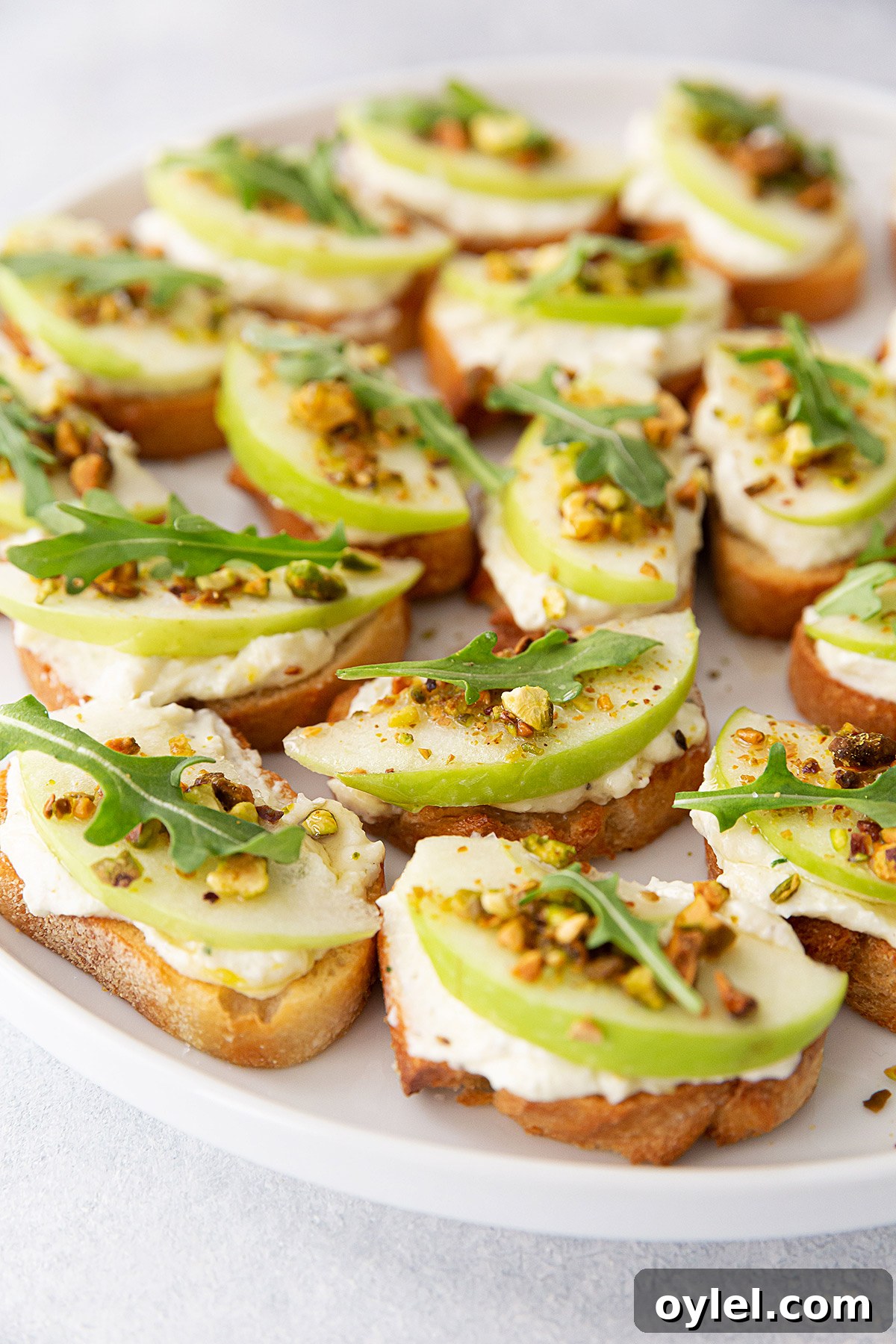
- Canapés (small open-faced bites on bread or crackers)
- Crudités (raw or lightly blanched vegetables with dip)
- Shrimp cocktail
- Marinated shrimp
- Deviled eggs
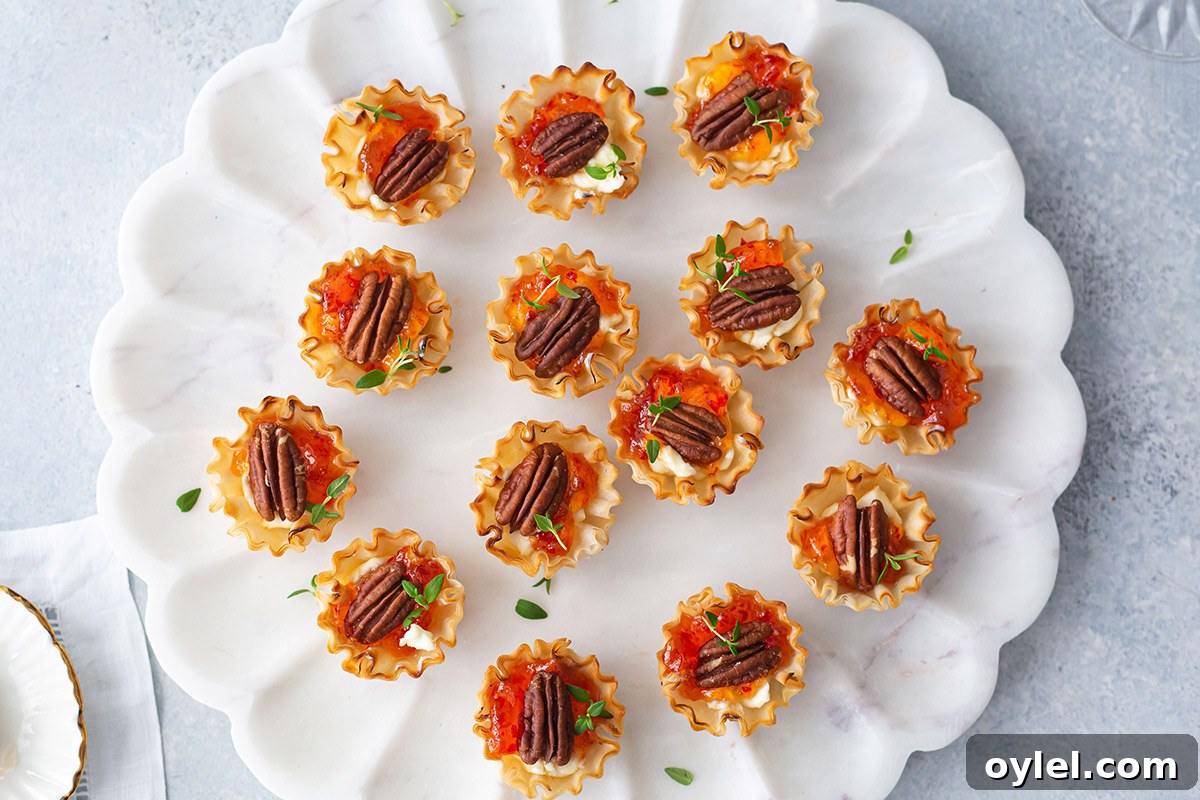
- Toast cups or phyllo cups filled with savory toppings
- Blue cheese stuffed olives
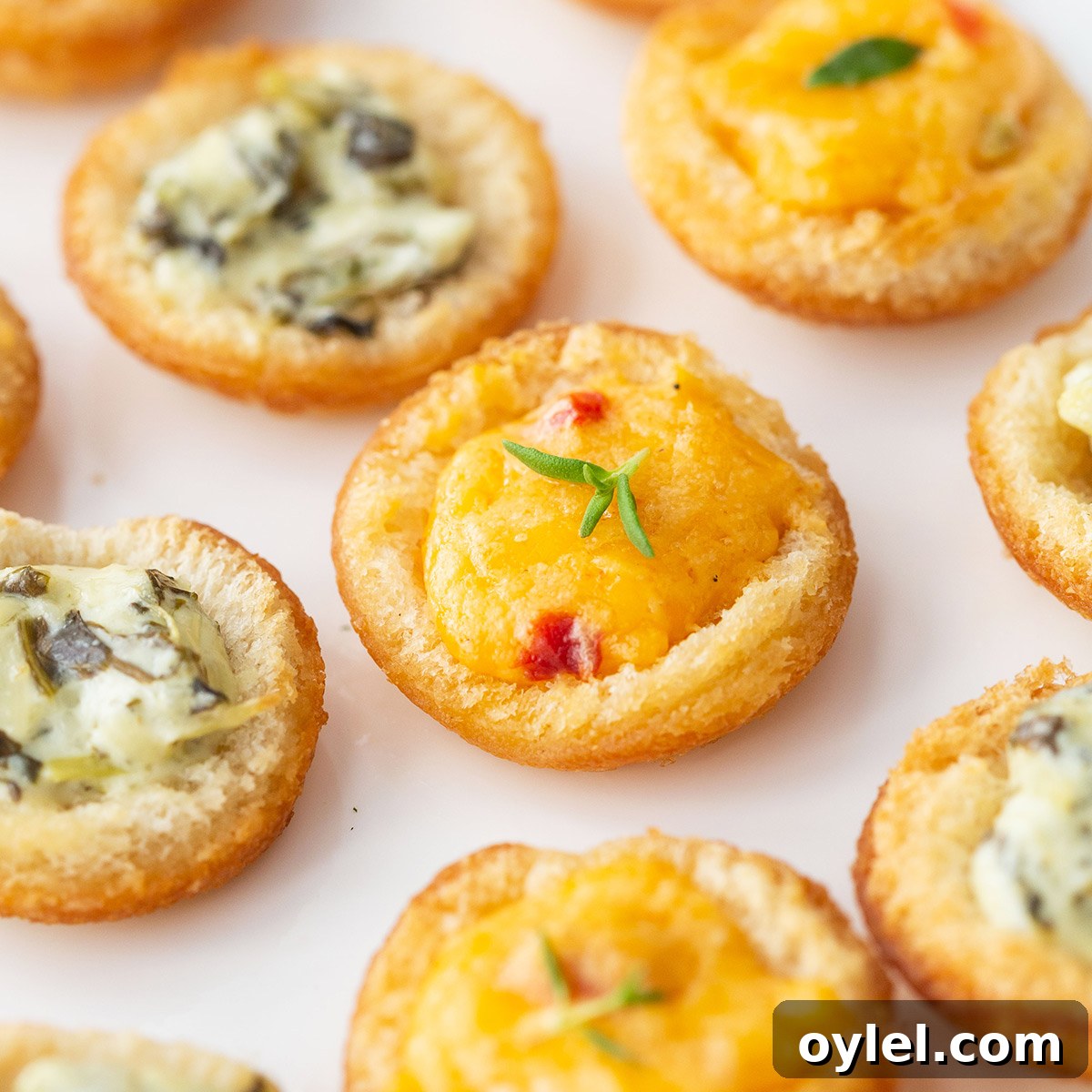
- Small savory tarts and skewers
Although people sometimes throw “appetizer parties,” in many of those cases the small dishes function more like hors d’oeuvres—served casually and eaten while socializing rather than as part of a formal multi-course dinner. In everyday use, the two terms overlap and most guests will understand either word.
Whether you call them appetizers or hors d’oeuvres, the goal is the same: to offer flavorful, well-composed bites that welcome guests and set the tone for the meal or event. Consider the setting, portion size, and timing when planning your menu to ensure the right fit for your occasion.