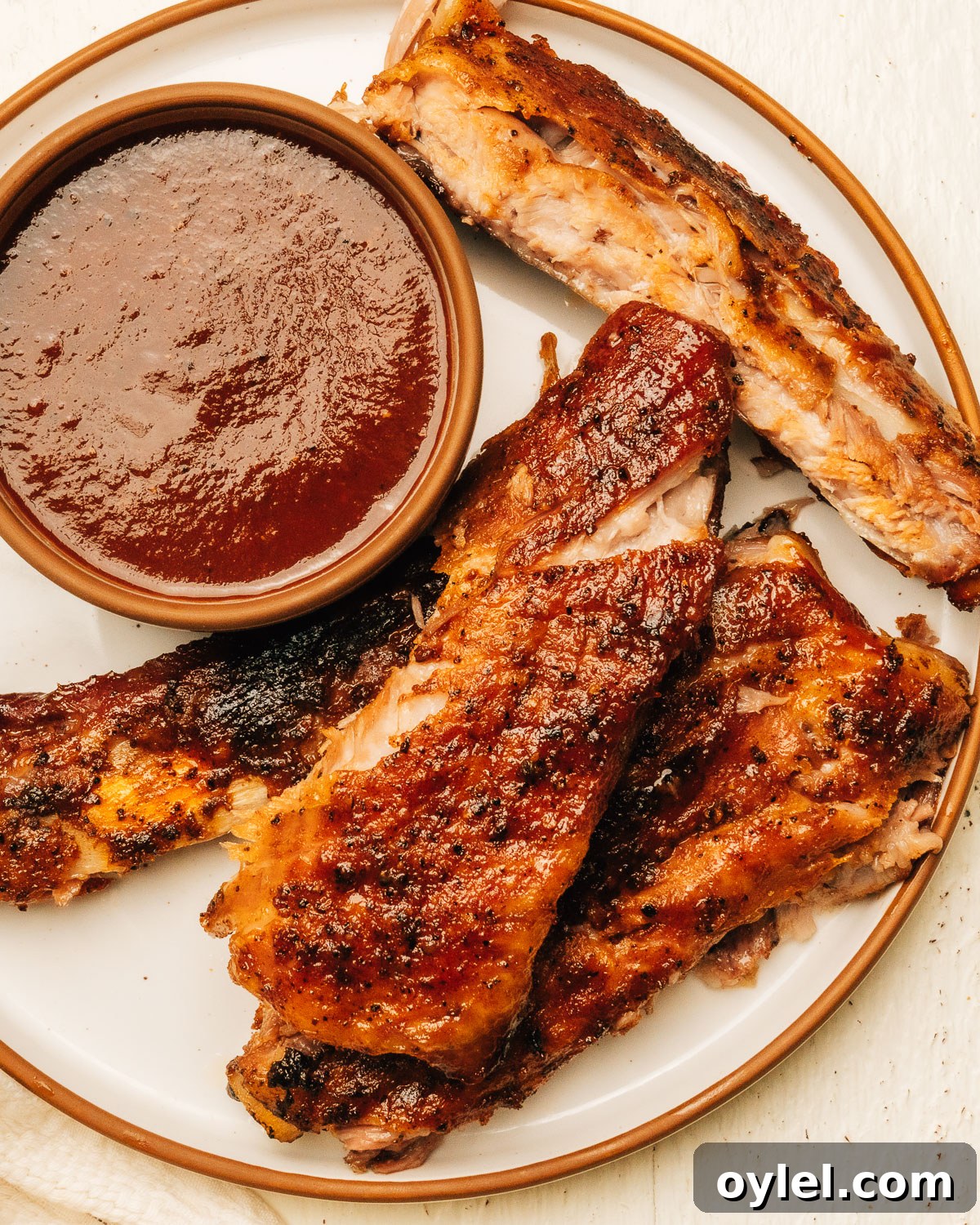
These pork spare ribs are slow-baked until fall-off-the-bone tender, seasoned with a smoky dry rub, and finished with a sticky homemade barbecue glaze under the broiler. This easy oven method uses practical food-science tips to deliver tender, deeply flavored ribs without a grill or smoker.
Spare Ribs Ingredients
When these oven-baked spare ribs come out of the oven, a knife slips between the bones with almost no resistance. Keep plenty of napkins handy — they’re deliciously messy.
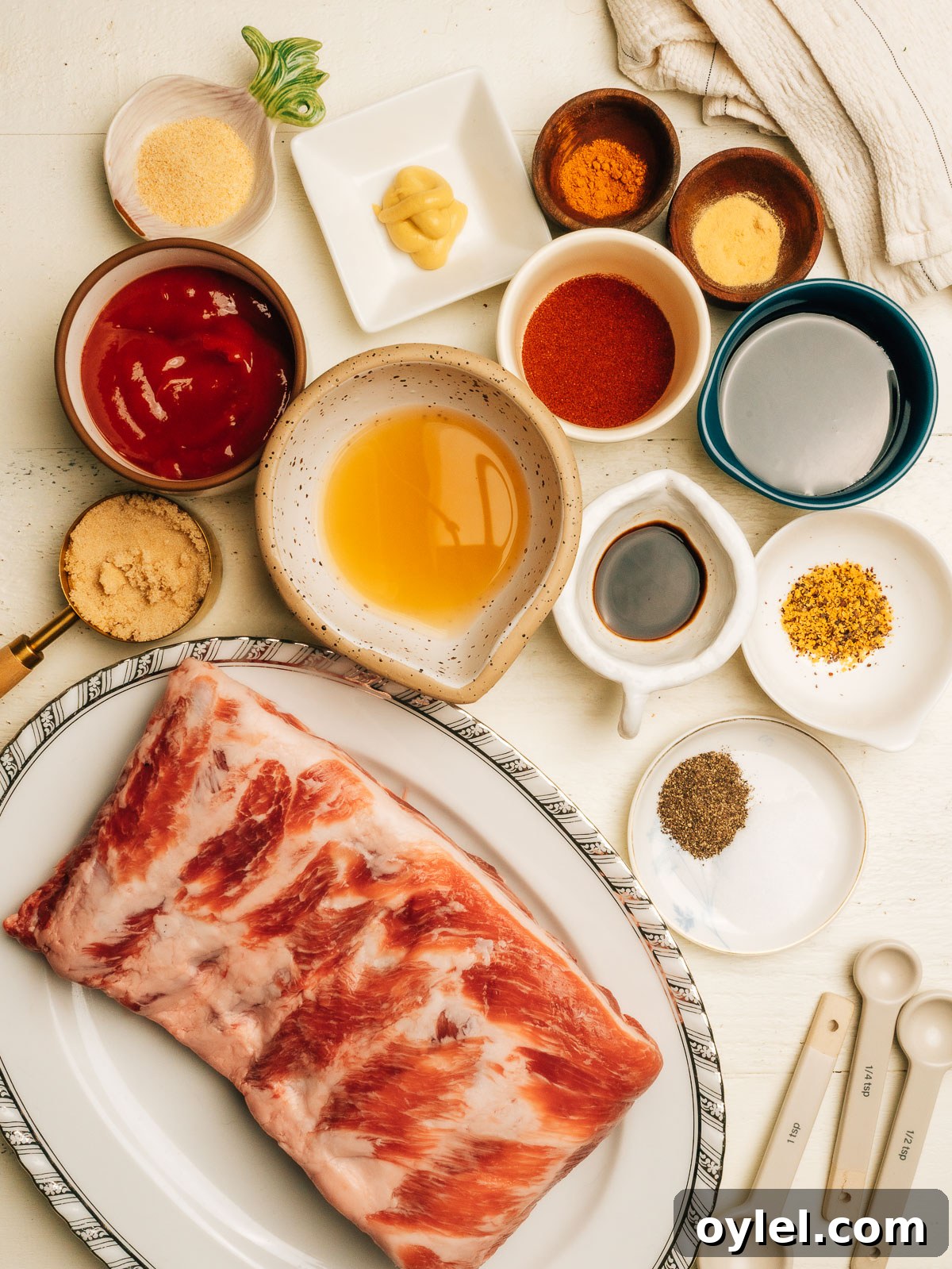
Rib Ingredients
- Pork spare ribs: Two full racks, about 6 to 7 lbs total. Spare ribs come from the belly side of the pig and contain more fat and connective tissue than baby back ribs. That extra fat and collagen melt down during a low, long bake, giving rich flavor and tender texture. Choose racks that are fairly even in thickness so they cook uniformly.
Dry Rub Ingredients
- Brown sugar: Creates a caramelized, sticky crust and helps the BBQ glaze cling during broiling.
- Smoked paprika: Provides the smoky backbone you’d expect from a grill or smoker. Use smoked paprika to get that depth.
- Garlic powder: Blends evenly into the rub and won’t burn like fresh garlic can over a long bake.
- Onion powder: Adds savory roundness alongside the garlic.
- Dry mustard: A subtle tang that lifts the other flavors without being obvious on its own.
- Cayenne: A small amount adds background heat; adjust to taste.
Quick BBQ Sauce Ingredients
A quick sauce gives a glossy, slightly charred finish when broiled. Use this easy mix or your preferred bottled sauce.
- Ketchup: The tomato base that gives body and sweetness.
- Apple cider vinegar: Brightens the sauce and cuts through richness.
- Brown sugar: Sweetens and helps the sauce thicken and caramelize.
- Molasses: Adds depth and slight bitterness; maple syrup can be substituted for a milder sweetness.
- Worcestershire sauce: Brings umami complexity.
- Dijon mustard: Balances sweetness with tang.
- Smoked paprika: Links the sauce to the rub with additional smokiness.
- Garlic powder and kosher salt: Round out the flavor and balance sweetness.
Exact amounts are included in the recipe card later in this post.
Variations and Substitutions
This oven spare ribs method is flexible. Try variations to suit your pantry and preferences. For example, a honey-garlic style works well, and the rub and sauce adapt easily.
- Baby back ribs: Use the same rub and sauce. Because they’re leaner and thinner, reduce the covered bake time to about 2 to 2½ hours and check early.
- Beef ribs: The same low-and-slow approach applies, but beef ribs usually require longer cooking due to greater size and density. Use the knife and bend tests to determine doneness.
- Molasses substitute: Maple syrup is an easy 1:1 swap; honey also works.
- Adjusting heat: Increase cayenne to 1 tsp or add chipotle powder for smoky heat. Omit cayenne for a kid-friendly version.
- Store-bought BBQ sauce: Ready-made sauce is fine for the glaze; the dry rub supplies most of the ribs’ flavor.
- No broiler: If your oven lacks a broiler, set it to 450°F and roast the glazed ribs uncovered 8 to 10 minutes, watching closely to avoid burning the sugar.
If you like easy pork dinners, other crowd-pleasers to try include slow-cooker pork shoulder and crockpot pork loin.
Grab These Tools
You don’t need special equipment to bake spare ribs in the oven. These simple tools make the process easy:
- Large rimmed sheet pan: Big enough for both racks flat; the rim contains cooking juices.
- Aluminum foil: Line the pan and seal a top layer tightly to trap steam during the low bake.
- Small bowl: For mixing the dry rub.
- Small saucepan: To simmer the BBQ sauce.
- Pastry brush or spoon: For applying glaze; silicone brushes give an even coat.
- Tongs: For the bend test to check doneness.
- Sharp knife: For testing and slicing between bones.
- Paper towels: For removing the membrane and patting the meat dry.
How to Cook Spare Ribs in the Oven: An Easy Guide
This method is mostly hands-off. Follow these steps for tender, flavorful ribs.
Prep the Ribs and Oven
Preheat the oven to 275°F. Turn each rack bone-side up and remove the thin membrane that covers the bones. Slide a butter knife under one corner, grip it with a paper towel, and pull the membrane off in one piece. Removing it lets the rub penetrate and improves the eating texture.
Apply the Dry Rub
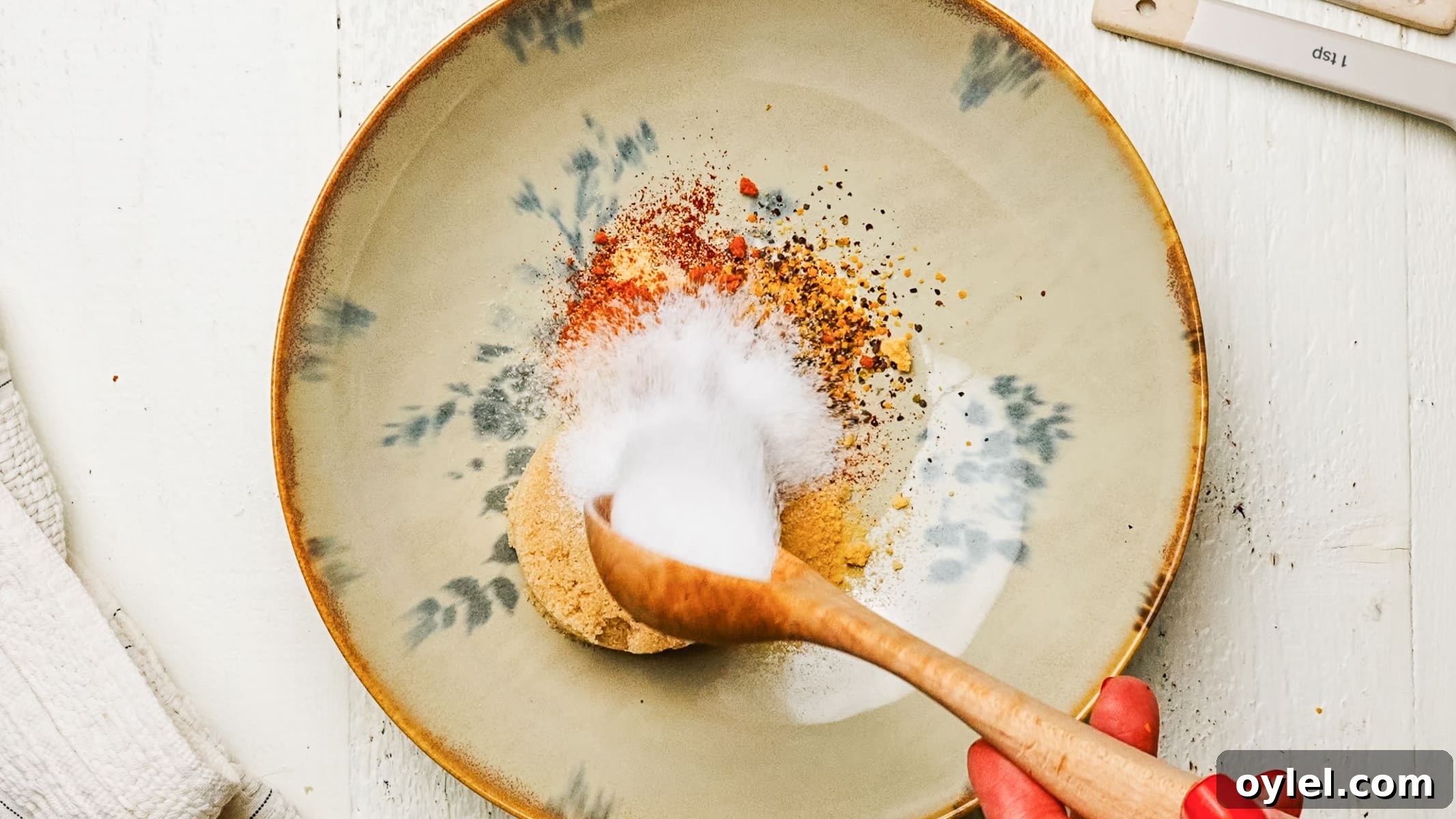
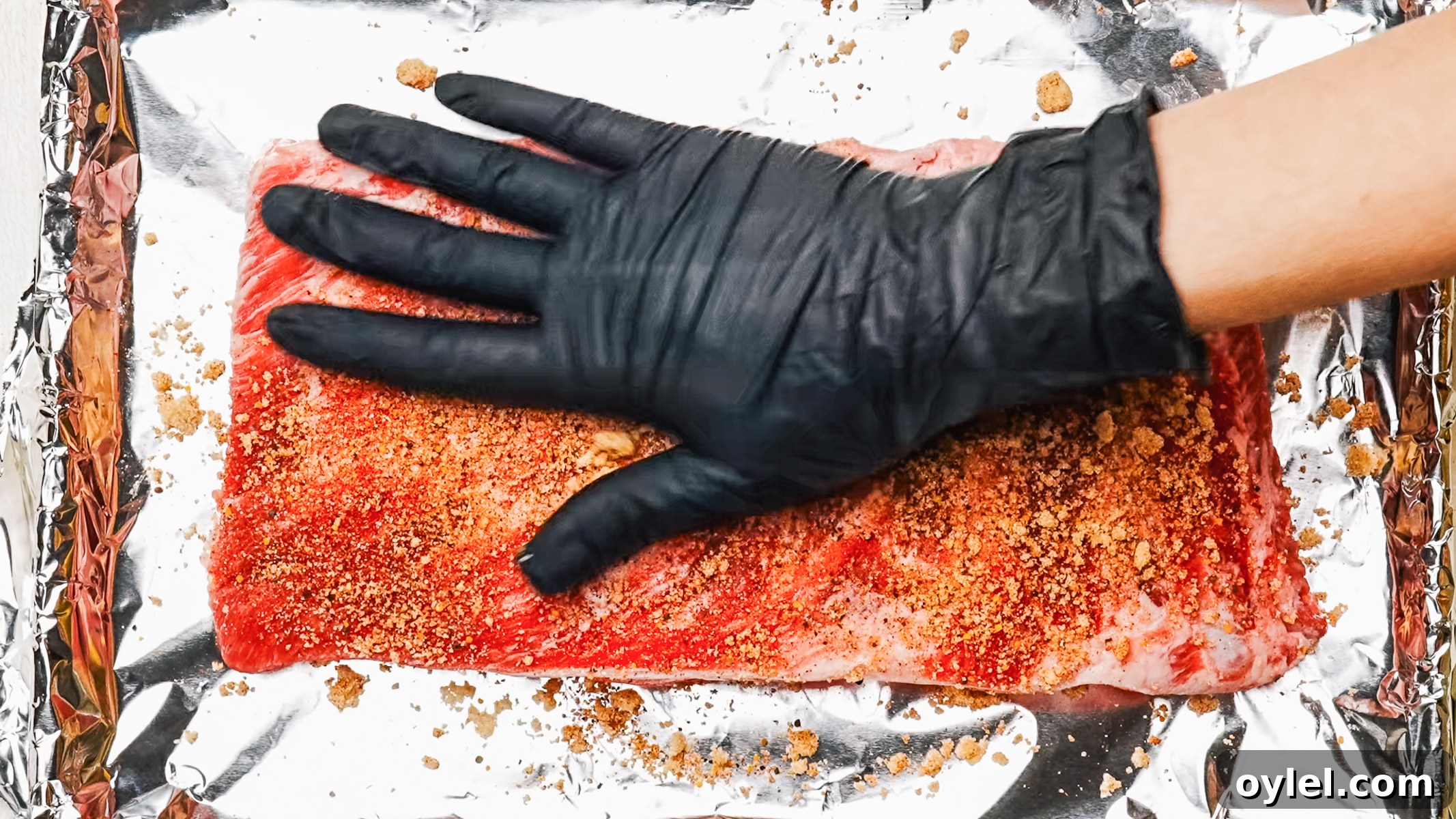
Combine the dry rub ingredients in a small bowl. Pat the ribs dry with paper towels to help the rub adhere. Press the rub generously into both sides of each rack and place them meat-side up on a foil-lined rimmed sheet pan.
Bake Covered, Low and Slow
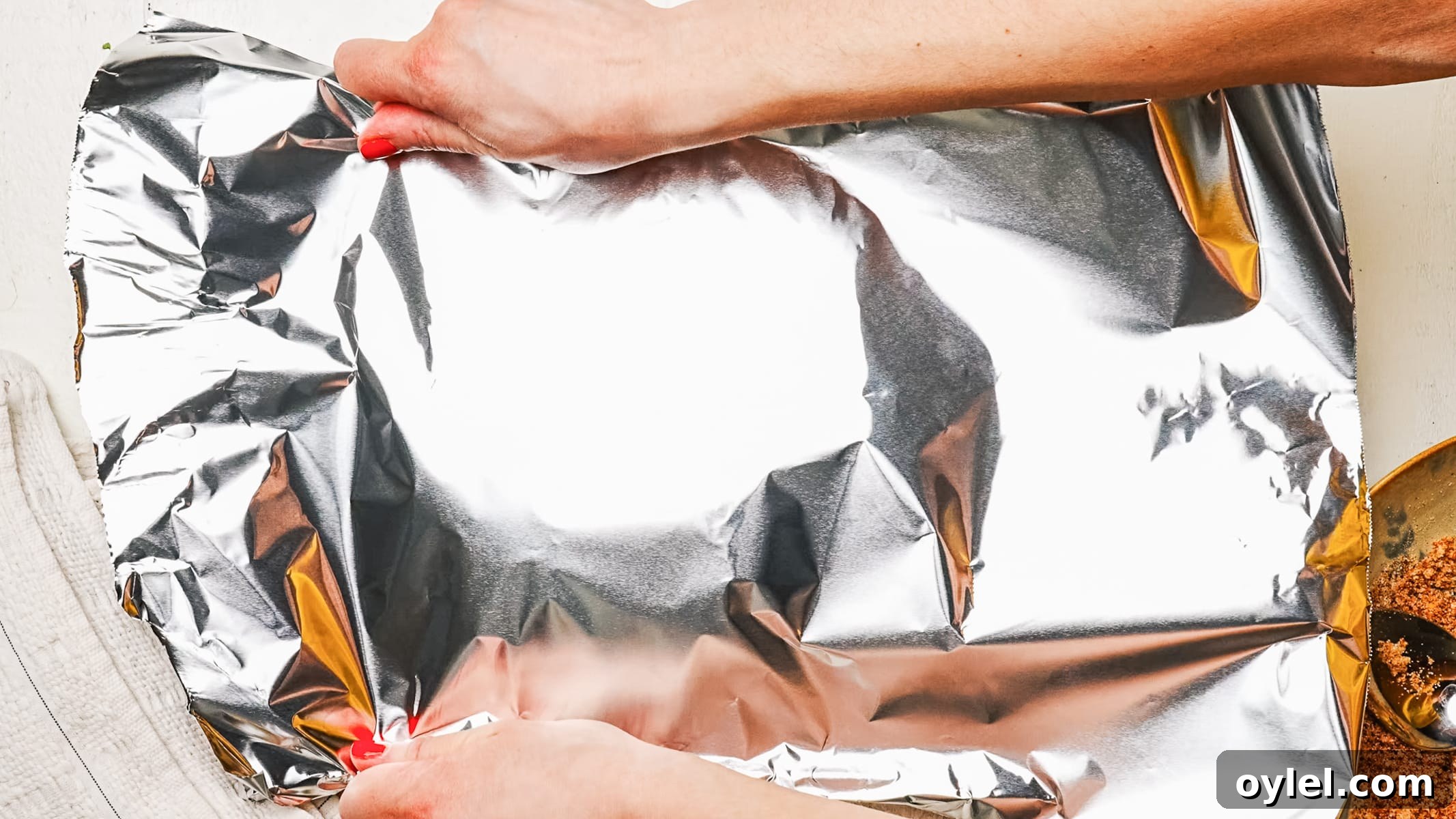
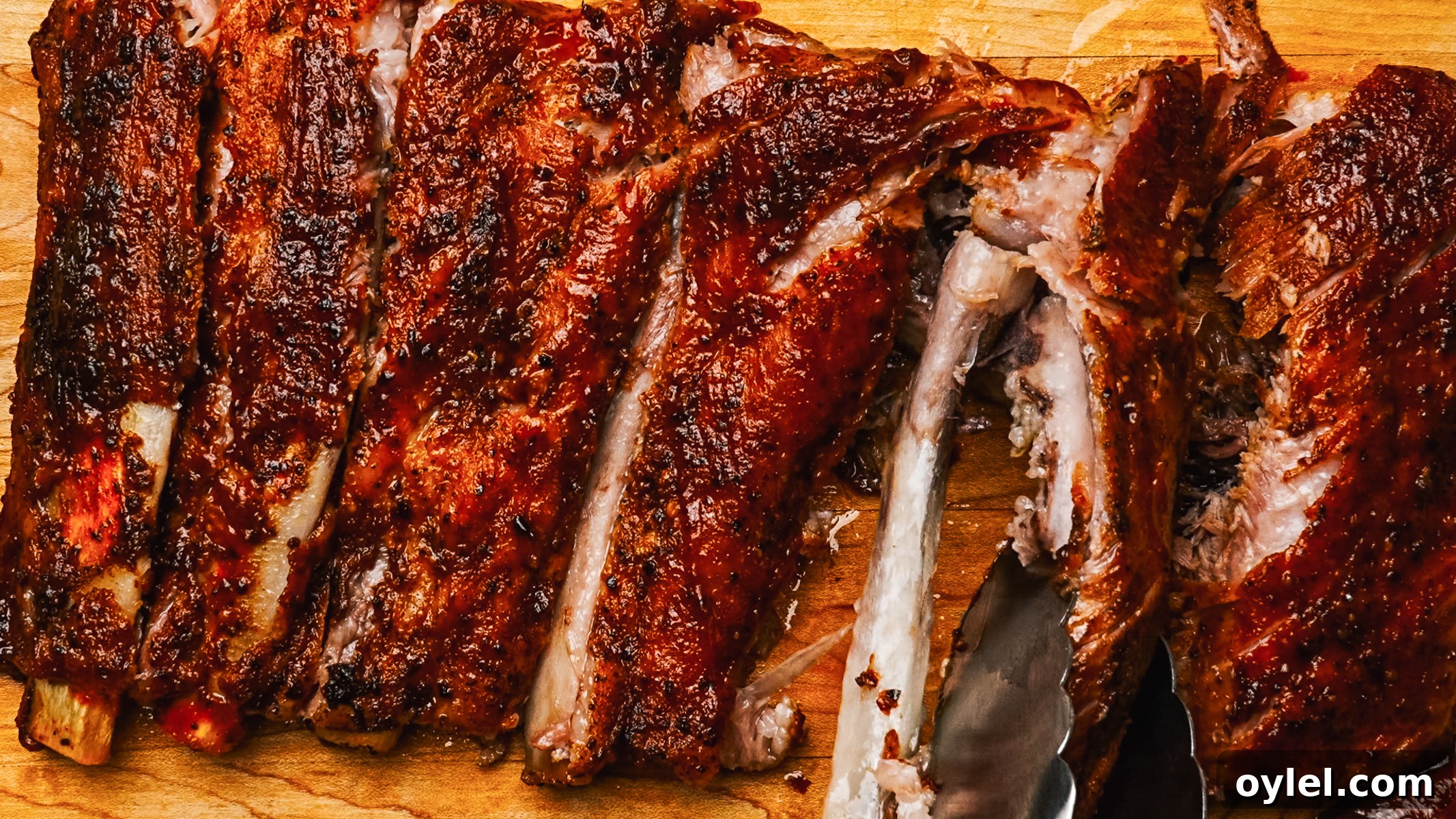
Cover the pan tightly with foil, sealing the edges to trap steam. Bake for 2 hours 45 minutes to 3 hours 15 minutes. The ribs are done when a knife slides between the bones with very little resistance. Use the bend test by lifting a rack with tongs: a finished rack bends and flexes; a stiff rack needs more time. If it’s still firm, reseal and bake an additional 15 minutes, then check again.
Make the Quick BBQ Sauce
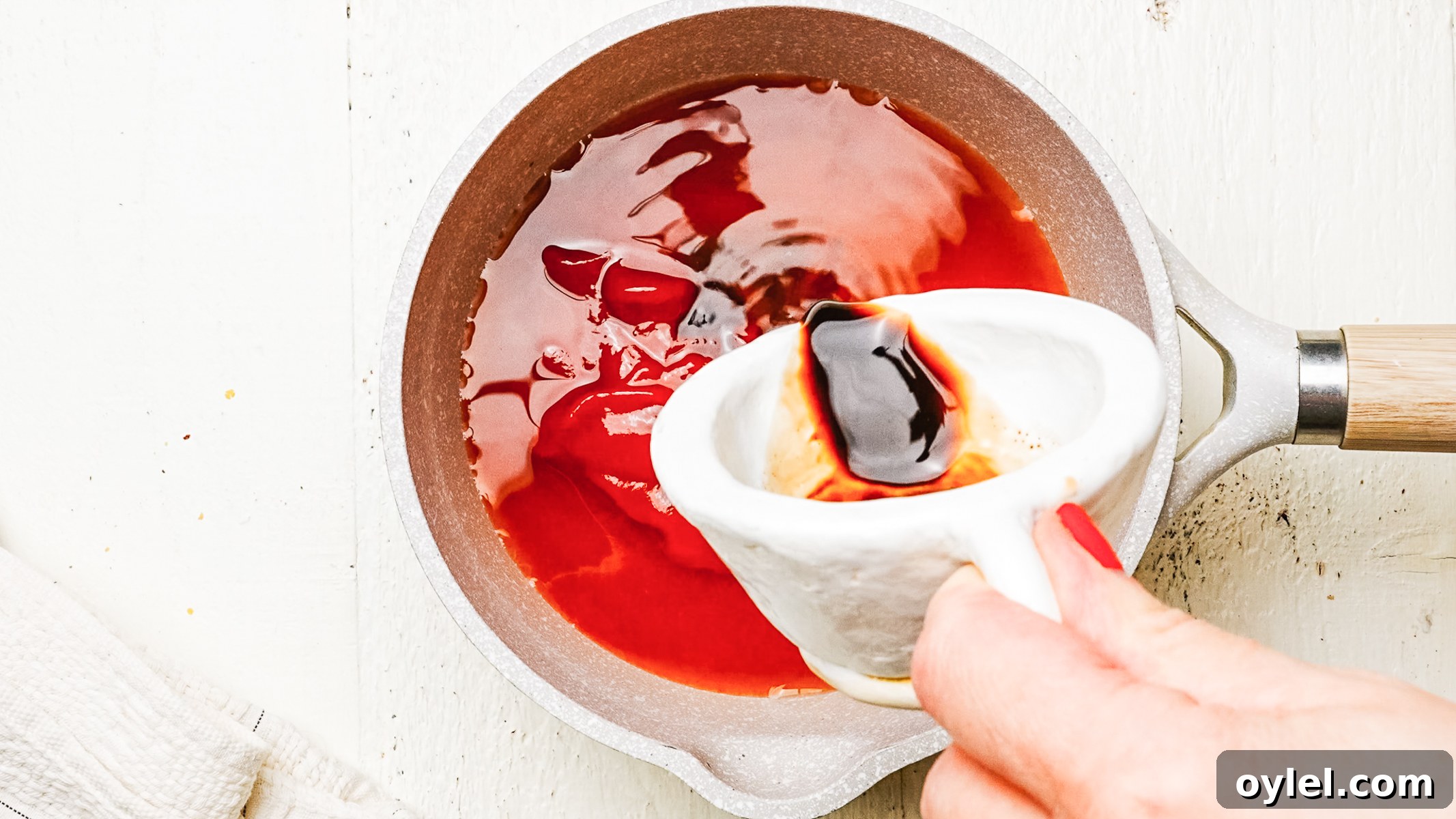
About 20 minutes before the ribs finish baking, combine the sauce ingredients in a small saucepan. Simmer over medium heat, then reduce to medium-low and cook 8 to 10 minutes, stirring frequently, until the sauce turns glossy and slightly thickened. It will continue to thicken as it cools.
Glaze and Broil
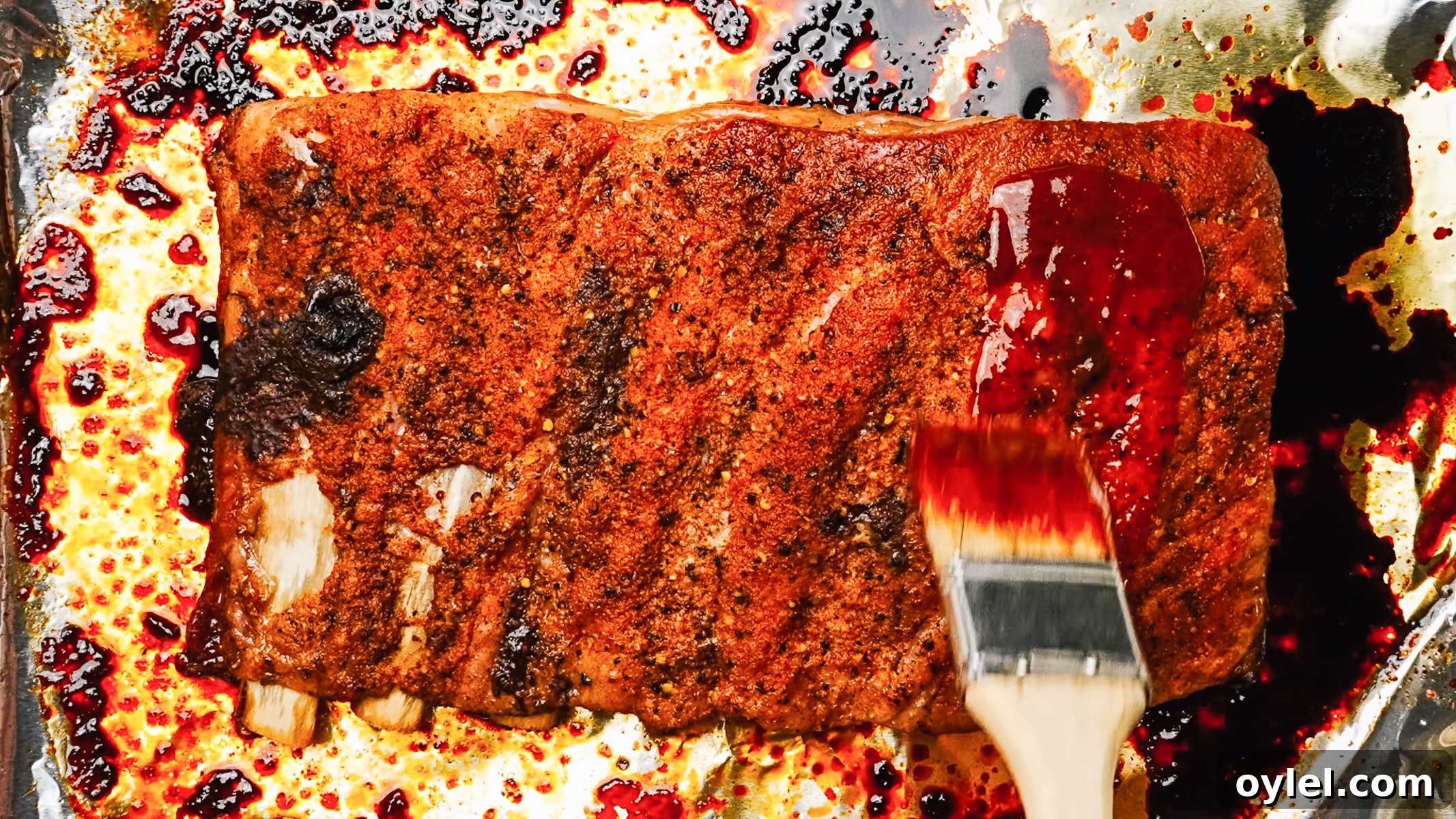
Remove the foil and set the oven to broil on high. Brush the ribs generously with BBQ sauce and broil 2 to 4 minutes until the sauce bubbles and chars lightly at the edges. Apply a second thin coat and broil another 1 to 2 minutes. Watch the ribs closely during broiling—sugars char quickly.
Rest and Slice
Let the ribs rest on the pan for 10 minutes before slicing. Resting allows juices to redistribute so the meat stays moist. Slice between the bones with a sharp knife and serve with extra barbecue sauce.
5 Common Mistakes When Making Spare Ribs
Avoid these frequent mistakes to get the best oven-baked spare ribs:
- Skipping the membrane: The membrane turns rubbery and prevents the rub from flavoring the meat. Remove it before cooking for better texture and seasoning penetration.
- Not sealing the foil tightly: A tight seal traps steam that tenderizes the ribs. Any gap lets steam escape and dries the meat out.
- Pulling them too early: Use the knife and bend tests rather than relying solely on the clock. If the rack is stiff, give it more time.
- Walking away during broiling: Broiling caramelizes fast. Stay nearby and check every minute or two to prevent burning.
- Slicing immediately: Let the ribs rest 10 minutes before slicing so juices redistribute and the meat stays moist.
Make Ahead and Storage
You can bake the ribs a day ahead and add the glaze just before serving; they reheat beautifully.
Storing Leftovers
- Refrigerator: Store leftovers in an airtight container or tightly wrapped in foil for up to 4 days.
- Make ahead: Complete the covered low-and-slow bake, cool, and refrigerate. When ready to serve, brush with sauce and broil briefly for a fresh glaze.
Freezing
- After baking: Cool completely, wrap tightly in plastic wrap and foil or use a freezer-safe bag. Freeze for up to 3 months. Slicing before freezing helps portion control.
- Thawing: Thaw overnight in the fridge before reheating. Reheating from frozen can overcook the exterior while the center remains cold.
Reheating Spare Ribs
- Oven: Reheat covered on a foil-lined pan at 300°F for 20–25 minutes, then uncover, brush with sauce, and broil 2–3 minutes to re-caramelize.
- Microwave: For a quick option, heat in 60-second bursts until warm, then refresh with extra sauce.
- Avoid high uncovered heat: It dries the meat quickly—always reheat covered until nearly warm before glazing or broiling.
How to Serve This Spare Ribs Recipe
Ribs can be the centerpiece of a casual meal; pairing them with the right sides makes a complete spread.
Spare Rib Toppings and Extras
- Extra BBQ sauce on the side
- Pickled jalapeños or quick-pickled red onions for bright acidity
- Fresh cilantro or sliced green onion for color and freshness
- Hot sauce for extra heat
Side Dishes for Spare Ribs
- Creamy coleslaw: Cool and crunchy to contrast sticky, smoky ribs.
- Creamy mashed potatoes: Fluffy and great for soaking up sauce.
- Macaroni salad: A classic BBQ side that balances richness.
- Corn on the cob: Simple, sweet, and family-friendly.
- Cornbread or soft dinner rolls: Perfect for mopping up sauce.
How to Make the Best Spare Ribs: Final Notes + Secrets
Key tips that separate great oven-baked spare ribs from merely good:
- 275°F is ideal: Low and slow lets collagen break down into gelatin without drying the exterior.
- Pat dry before rubbing: A dry surface helps the rub adhere and form a nice crust.
- Brown sugar matters: It caramelizes in both the rub and the sauce to create the sticky, charred finish.
- Trust the bend and knife tests: These are more reliable than the clock for doneness.
- Two thin glaze layers under the broiler: Apply a first thin coat to set, then a second to build color and char without sliding off.
- Use good smoked paprika: It provides much of the smoky flavor you associate with grilled ribs.
FAQs About Spare Ribs
Quick answers to common questions:
Spare ribs are pork, cut from the lower rib cage near the breastbone. While beef ribs exist, “spare ribs” in recipes usually means pork.
Spare ribs are larger, meatier, and contain more fat and connective tissue. Baby back ribs are smaller and leaner, sitting higher on the back. Spare ribs take longer to cook but offer deeper flavor.
Yes. A thin silvery membrane on the bone side should be removed before cooking. It becomes tough if left on and prevents seasoning from reaching the meat.
275°F is the recommended temperature for tender, juicy spare ribs using this method, with a covered bake time of about 2 hours 45 minutes to 3 hours 15 minutes.
Use the knife test and bend test: a knife should slide between bones with little resistance, and the rack should bend easily when lifted from one end.
Yes. Finish the covered low-and-slow bake, cool, and refrigerate. When ready to serve, add the glaze and broil briefly for a fresh finish.
Absolutely. The dry rub provides most of the flavor; bottled sauce is a convenient glaze option. Choose a smoky style to complement the rub.
Reheat covered in the oven at 300°F for 20–25 minutes, then uncover, brush with sauce, and broil briefly to re-caramelize the glaze.
Other Pork Recipes You’ll Love
- Honey Garlic Spare Ribs (dry garlic ribs)
- Instant Pot Pulled Pork
- Roast Pork Loin with Easy Pork Gravy
- Pulled Pork Tenderloin with Chipotle BBQ Sauce
- Instant Pot Pork Chops with Easy Gravy
Fall-Off-the-Bone Oven-Baked Spare Ribs
By: Jennifer Pallian BSc, RD
Fall-off-the-bone tender pork spare ribs with a smoky dry rub and sticky homemade BBQ sauce, all done in the oven.
Prep Time: 15 minutes | Cook Time: 3 hours 15 minutes | Servings: 6
Ingredients
Ribs
- 2 pork spare rib racks (about 6–7 lb total)
Dry Rub
- 4½ tsp kosher salt
- 1½ tsp black pepper
- 4 tbsp brown sugar
- 2 tbsp smoked paprika
- 1 tbsp garlic powder
- 1 tbsp onion powder
- 1 tsp dry mustard
- ½ tsp cayenne pepper
Quick BBQ Sauce
- 1 cup ketchup
- ¼ cup apple cider vinegar
- 3 tbsp brown sugar
- 2 tbsp molasses or maple syrup
- 1 tbsp Worcestershire sauce
- 1 tsp Dijon mustard
- 1 tsp smoked paprika
- ½ tsp garlic powder
- ½ tsp kosher salt
Instructions
- Preheat oven to 275°F. Flip ribs bone-side up and remove the thin membrane by loosening a corner with a butter knife, then grabbing it with a paper towel and pulling it off.
- Mix the dry rub ingredients. Pat ribs dry, coat all over with the rub, pressing it into the meat. Place racks meat-side up on a large foil-lined rimmed baking sheet.
- Cover the pan tightly with foil, crimping the edges to seal. Bake 2 hours 45 minutes to 3 hours 15 minutes, until a knife slides easily between the bones. If a rack still feels stiff when lifted, reseal and bake another 15 minutes.
- While ribs bake, combine BBQ sauce ingredients in a small saucepan. Bring to a simmer, then reduce heat and cook 8–10 minutes, stirring frequently, until glossy and slightly thickened. Remove from heat.
- Remove foil and switch oven to broil on high. Brush ribs generously with sauce and broil 2–4 minutes until bubbling and caramelized. Brush a second layer of sauce and broil 1–2 minutes more, watching closely to avoid burning.
- Rest ribs uncovered for 10 minutes, then slice between the bones and serve with remaining sauce.
Notes
- If a rack feels stiff, reseal and bake another 15 minutes before checking again.
- Rubs can be applied and refrigerated uncovered overnight for deeper flavor.
- Store leftovers in an airtight container for up to 4 days.
- Reheat wrapped in foil at 300°F for about 20 minutes, then brush with sauce and broil briefly to re-caramelize.
Nutrition (approx.)
Calories: 767 kcal | Carbohydrates: 35 g | Protein: 36 g | Fat: 54 g | Saturated Fat: 17 g | Sodium: 2546 mg