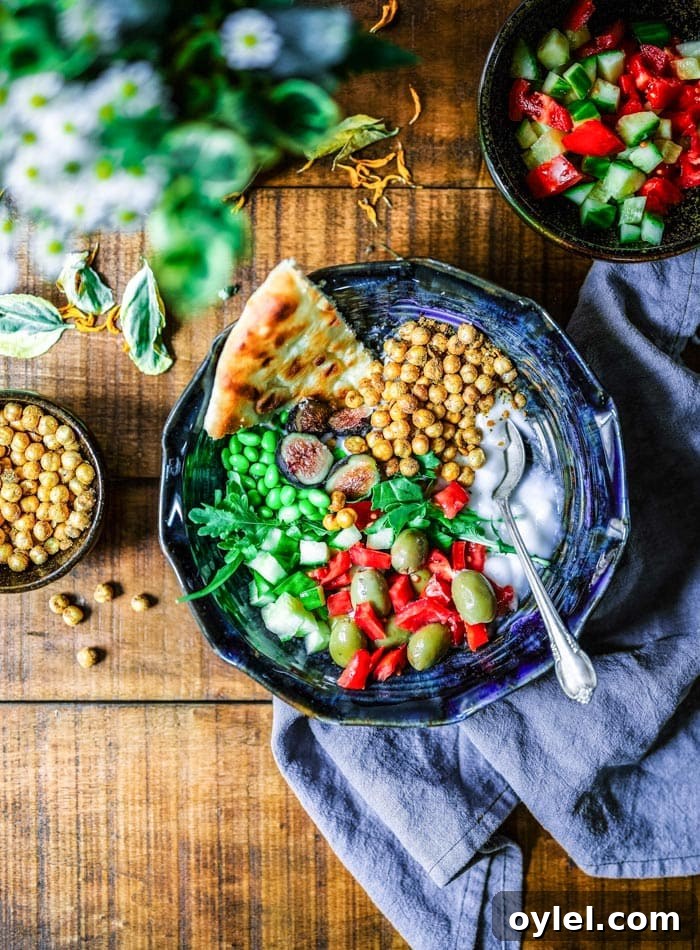
I get asked a lot about how to transition to a plant-based diet. It can feel overwhelming at first, but you can do it. The beginning might be bumpy and you may stumble, but what matters is that you keep trying and learning.

I’ve been eating plant-based for a long time, so I sometimes forget how unfamiliar it can feel to start from the other side. If most of your meals have included meat, eggs and dairy, you might wonder what you’ll eat instead. Rest assured: there is a huge variety of nourishing, satisfying plant foods that can be prepared as flavorful alternatives to your favorite dishes.
Change your Mindset
Approach your new eating pattern with an open, positive mindset. Focus on what you’ll gain—more energy, variety, improved health—rather than what you think you’ll lose. A successful shift to plant-based eating should not be about punishment or constant willpower. Once you discover plant-based versions of pizza, cookies, muffins, chocolate and sandwiches, you’ll see it’s possible to enjoy familiar favorites made from whole plant foods.
Know your Reason Why
Be clear about your motivation for choosing a whole food plant-based (WFPB) diet. Major lifestyle changes get tougher without a strong reason, and having one will help you stay on track when challenges arise.
Common reasons to go plant-based:
- preventing disease
- managing blood sugar
- lowering cholesterol
- living longer
- compassion for animals
- losing weight
- reducing environmental impact
Choose a reason that resonates with you, write it down, and place it somewhere visible so it guides your choices.
What is a Whole Food Plant-Based Diet?
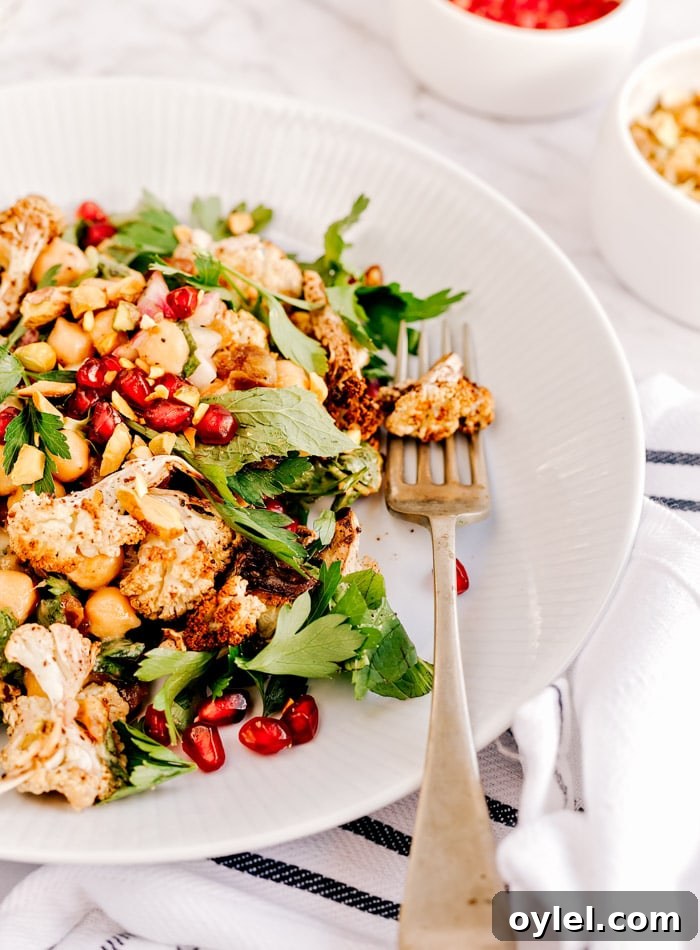
A whole food plant-based diet focuses on whole, minimally processed plant foods: fruits, vegetables, tubers, whole grains, legumes, nuts and seeds. It excludes meat, dairy, eggs and minimizes refined grains, added sugars and oils. The goal is nutrient-dense eating with minimal processed ingredients.
What’s the Difference Between Plant-Based and Vegan?
Veganism is a lifestyle that seeks to avoid all forms of animal exploitation, including food, clothing and other products. A plant-based diet refers primarily to food choices. You can eat plant-based for health reasons without identifying as vegan, and you can be vegan without following a strict whole food approach.
It can be compassion and health
For many people, compassion for animals leads them to explore plant-based eating, and learning about nutrition often deepens the commitment. Aim for progress rather than perfection: reducing harm and making steady improvements will have a powerful cumulative effect.
What’s the Difference Between a Vegan and Vegetarian Diet?
Vegetarians avoid meat and fish but often still eat dairy and eggs. Vegans avoid all animal-derived foods and usually animal-derived products as well.

Plant-Based vs Whole Food Plant-Based
A plant-based or vegan diet can include processed foods, refined sugars and unhealthy fats. Whole food plant-based emphasizes foods as close to their natural state as possible and limits processed items, refined sugars and oils to support better health.
Why Whole Food Plant-Based?
Eating unrefined plant foods gives you abundant macro- and micronutrients while avoiding many pro-inflammatory ingredients found in processed foods. Reducing refined sugars, grains and oils helps reduce inflammation and supports long-term health.
More Reading: Anti-Inflammatory Living to Heal Inflammation Naturally (article title referenced)
Tips Before Starting Your Plant-Based Journey
Before you begin, keep a few key habits in mind that make a plant-based lifestyle realistic and sustainable.
Prepare your own food
Cooking at home is the most important factor in successfully adopting a whole food plant-based diet. You don’t need to spend hours—simple, quick meals are easy to prepare once you know a few go-to recipes. Learning to cook basic plant-based meals will save money and help you stay consistent.
Meal plan and food prep
Weekly meal planning and food prep make life easier, reduce stress and prevent waste. Even simple prep—washing and chopping vegetables or batch-cooking a few staples—will help you stick to your plan.
Stock your pantry
A well-stocked pantry of staples like beans, lentils, whole grains, nuts, seeds, spices and canned tomatoes makes it easy to throw together nutritious meals on short notice.
Educate yourself
Learning about nutrition, animal welfare and food systems will strengthen your choices. Listen to podcasts and read reliable books on plant-based nutrition and healthy cooking to build your confidence.
Pick up some new cookbooks
Use cookbooks, blogs and social media for recipe inspiration. Borrow cookbooks from the library, try new recipes when planning your week, and keep a list of favorite meals to rotate through.
Progress not perfection
Everyone slips up. One misstep doesn’t erase your progress. Treat mistakes as learning opportunities, and keep focusing on consistent, long-term improvements rather than instant perfection.

How to Transition to a Plant-Based Diet
You don’t need to switch overnight. Some people transition in a few weeks, others over many months. For most, a staged approach—gradually replacing animal products with plant foods—feels more sustainable and enjoyable.
Transitioning in Stages
If you currently eat a standard Western diet, taking it step by step is practical. Each small change builds habits and skills that make the next step easier. Be patient and celebrate progress.
There’s Power in Small Change
Slow, steady change lets your taste preferences shift and gives you time to refine your cooking and planning. Push yourself gently out of your comfort zone but avoid unrealistic expectations.
Step 1. Start reducing your meat consumption
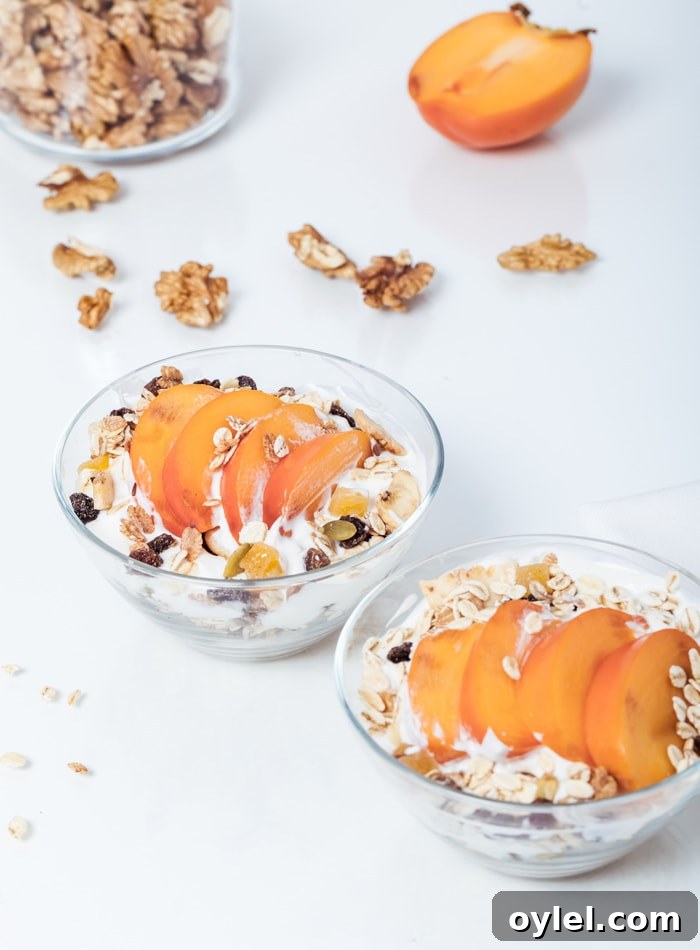
If you’re new to this, begin by going meatless one day a week—Meatless Mondays is a popular option. Do that consistently for a few weeks while you learn plant-forward recipes and swap meat-centric meals for dishes built around beans, legumes, tofu or hearty salads.
1a. Continue your education
Use this time to learn more about plant-based nutrition and food systems. Podcasts and expert interviews on plant-based health, animal welfare and performance can be motivating. Look for reputable sources and voices in the field to deepen your understanding.
Must-Read Plant-Based Diet Books
- How Not to Die
- Proteinaholic
- The Cheese Trap
- Dr. Neal Barnard’s Program for Reversing Diabetes
- The China Study
- Whole: Re-Thinking the Science of Nutrition
- Eat to Live
- Prevent and Reverse Heart Disease
Start Adding More Plants
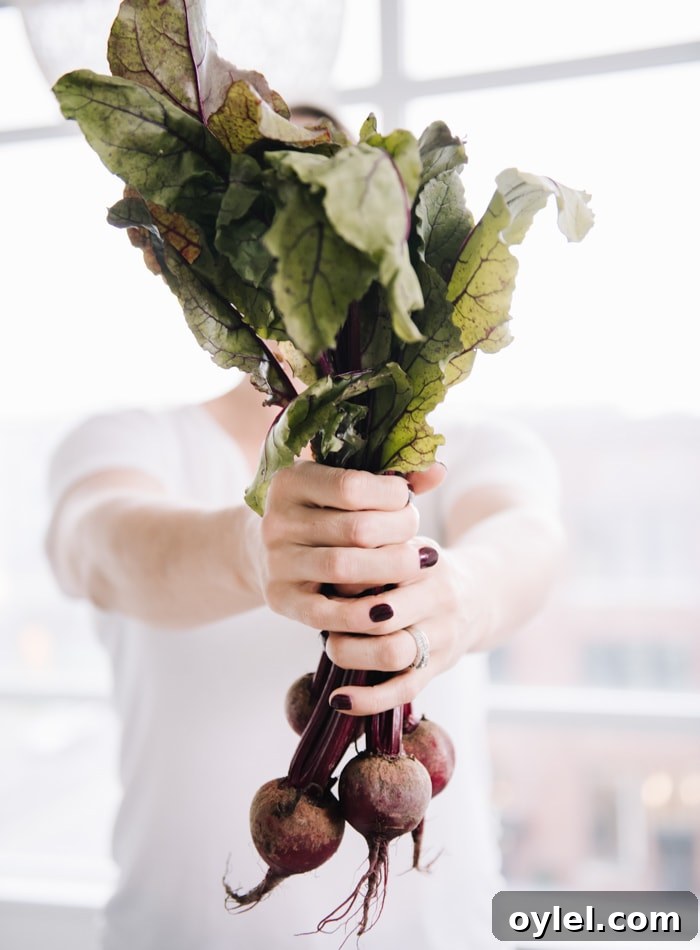
Along with cutting back on meat, increase the amount and variety of plant foods you eat. Add greens, beans and vegetables to breakfasts, toss legumes into soups, include avocado and sprouts on sandwiches. More plants mean more fiber and nutrients, and over time you’ll naturally rely less on animal and processed foods.
Try Plant-Based Mornings, Afternoons or Evenings
If committing to full days feels hard, start with one meal at a time: try plant-based breakfasts, then lunches, then dinners. Small, consistent steps add up.
Plant-Based Breakfast and Dinner Ideas
- Easy healthy vegan breakfasts (smoothies, oats, tofu scrambles)
- Healthy breakfast smoothies
- Meal-sized salads and hearty soups for lunch or dinner

Step 2. Reduce meat consumption down to once a week
After practicing plant-based days, gradually reduce how often you eat meat until it becomes a rare treat. Experiment with meat substitutes like lentils, walnuts, jackfruit, mushrooms, tempeh, seitan, tofu and homemade veggie burgers to replace traditional meat textures and flavors.
Step 3. Eliminate meat from your diet
When you feel ready, remove meat and fish from your meals. By this point you should be comfortable planning plant-based meals, doing food prep and enjoying a variety of whole food dishes.
Step 4. Start reducing your dairy intake
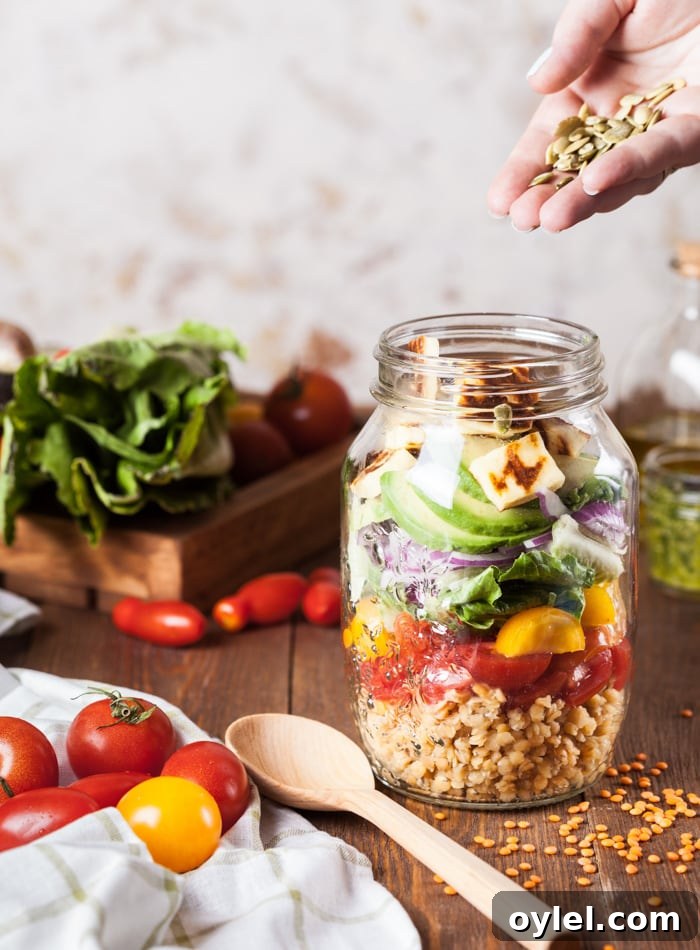
Many people find dairy challenging to give up, but it gets easier. Start by replacing cow’s milk with plant-based milks—almond, oat, soy or cashew. Then try dairy-free yogurts, and finally explore vegan cheeses and cream alternatives. Ingredients like cashews, soft tofu, coconut milk and nutritional yeast are versatile and can recreate many dairy textures and flavors.
Replace Cow’s Milk First
Switching milk is a quick, effective change. Plant milks are widely available and work well in coffee, cereal and cooking.
Then the Yogurt
Dairy-free yogurts made from coconut, almond or cashew are easy to find or make at home.
Then the Cheese
Cheese can be the hardest because of melt and flavor. There are many store-bought vegan cheeses and recipes to try; over time you’ll adapt and find satisfying alternatives.
Lastly, the Dairy “Extras”
Creams, sour cream, sauces and whipped toppings can be recreated using plant-based ingredients. Spend a few weeks experimenting and you’ll develop go-to replacements for favorite dishes.
Step 5. Eliminate dairy from your diet
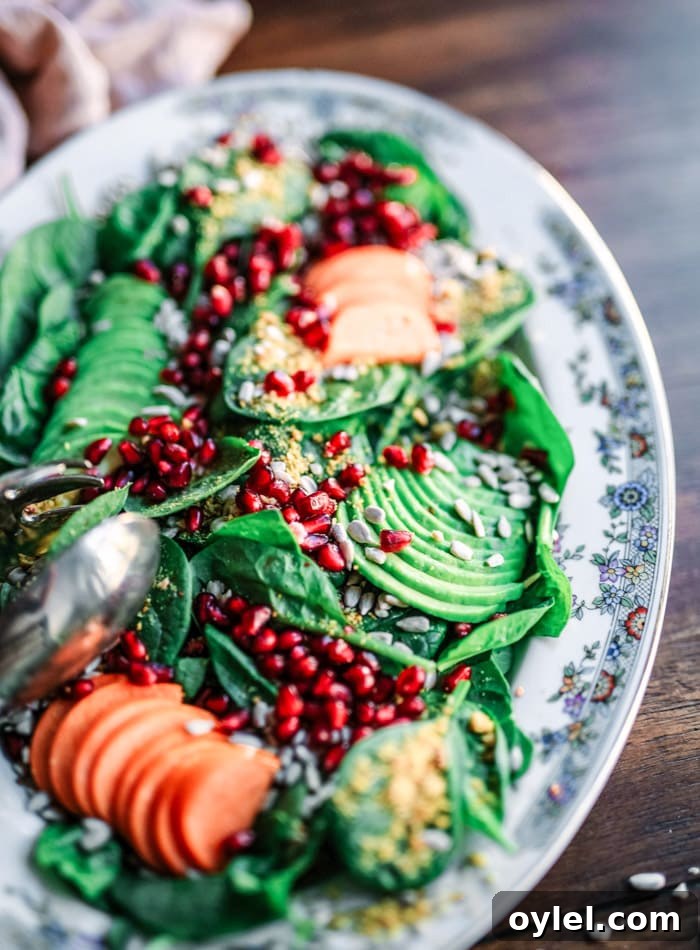
Once you’ve experimented with dairy-free alternatives, remove dairy completely and give yourself a week or two to adjust. Plan a few favorite dairy-free recipes to make the transition smoother.
What About Social Events and Holidays?
Social events can be tricky, but there are practical strategies to navigate them with ease:
- Focus on more than the food. Enjoy conversations, presence and activities rather than centering the event on meals.
- Bring food to share. Bringing a vegan dish ensures there’s something you can eat and lets others try delicious plant-based options.
- Ask the host. Offer to bring a dish or check whether plant-based options will be available.
- Reach for animal-free snacks. Choose veggies, nuts, hummus, guacamole and other plant-based options.
- Choose the path of least resistance. If questioned, engage positively or shift the topic—over time you’ll become comfortable handling comments.
- Review your motivation. Remind yourself why you chose this path when social pressure arises.
- Eat before you go. Having a satisfying meal beforehand reduces pressure to accept foods you’d prefer not to eat.

Step 6. Start reducing your egg intake
If eggs are a staple for you, begin substituting plant-based breakfasts and gradually reduce egg-based meals. Try overnight oats, sweet potato breakfast bowls, tofu scramble, breakfast burritos, avocado toast, chia pudding and smoothies as reliable replacements.
What about eggs in baking?
Replacing eggs in baking is straightforward: try flax or chia “eggs,” aquafaba, mashed banana, applesauce, soft tofu or psyllium. Plenty of vegan baking recipes produce excellent results.
Favorite vegan baking recipes include blueberry muffins, peanut butter oatmeal chocolate chip cookies, chocolate chip banana muffins, tahini date cookies and flourless peanut butter banana cookies.
Step 7. Eliminate eggs from your diet
After removing meat and dairy and experimenting with egg-free breakfasts and baking, you can take the final step and eliminate eggs. By now you should feel comfortable with a variety of plant-based meals.

Step 9. Repeat for life!
Whether your transition took weeks or months, once you’re consistently plant-based, keep exploring new foods, cuisines and recipes. Continue learning, be gentle with yourself, and enjoy the long-term benefits of this lifestyle.
Do I have to eat plant-based forever?
There’s no rule that you must stay 100% plant-based forever. It’s your decision. The key is to build sustainable habits that support your health and values over time. Small, consistent choices matter most.
Develop Supporting Healthy Habits
Health involves more than food. Stress management, movement, sleep and social connection all support wellbeing. Consider these practical habits to complement your nutrition:
- Drink more water. Start with a big glass in the morning and stay hydrated throughout the day.
- Meditate. Even five minutes of focused breathing daily can reduce stress and increase awareness.
- Exercise. Move regularly—walk, lift, stretch or sweat; consistency matters more than intensity.
- Journal. Writing helps process emotions, clarify goals and reduce anxiety.
- Read. Regular reading stimulates growth and perspective.
- Spend time in nature. Outdoor time boosts mood and resilience.
- Try new things. Keep your mind engaged with novel experiences.
- Improve your sleep. Prioritize consistent, restorative sleep.
- Play and laugh. Make time for joy, relationships and fun.
- Create connections. Foster supportive relationships and community involvement.
Personal Growth Books
Continuing self-education supports long-term change. A few popular titles for personal growth include:
- The Subtle Art of Not Giving a F*ck
- The Greatness Guide
- The Monk Who Sold His Ferrari
- The Gifts of Imperfection
- Live Your Best Life
- Dark Side of the Light Chasers
- Mindset
- Wherever You Go, There You Are
- Radical Acceptance
- The Untethered Soul
- A Return to Love

Plant-Based Diet FAQ
How do I get protein eating plant-based?
Plenty of plant foods provide protein: beans, lentils, tofu, tempeh, edamame, seitan, quinoa, nuts, seeds, hemp and nutritional yeast. Fruits and vegetables also contribute. If you want to track intake, use a food-tracking app for a few weeks to see whether adjustments are needed.
How do I get Vitamin B12?
B12 is one nutrient commonly recommended for supplementation on a fully plant-based diet. You can use supplements or get B12 from fortified foods such as some plant milks, cereals and nutritional yeast. Consult a healthcare professional if you have concerns.
How do I get calcium and iron?
Plant-based sources of iron include lentils, tofu, soybeans, quinoa, oats, pumpkin seeds, sunflower seeds, sesame seeds and dark leafy greens. Calcium sources include fortified plant milks, tofu made with calcium, soybeans, bok choy, collard greens, broccoli, kale, figs and tahini. Eating a wide variety of whole plant foods will help cover most nutrient needs; if concerned, work with a registered dietitian or doctor.
How do I replace dairy in my diet?
Start with milk alternatives, then try plant-based yogurts, and explore vegan cheeses and cream substitutes. Ingredients like cashews, tofu, coconut milk and nutritional yeast are useful for creating dairy-like textures and flavors. With a little experimentation you can replace most dairy items in recipes.
What does a plant-based meal plan look like?
A typical whole food plant-based day might include:
Breakfast – veggie hash with sweet potato and tofu scramble, oatmeal or a large breakfast smoothie.
Lunch – hearty soup and sandwich, a large salad with beans, rice and vegetables, a veggie wrap or stir-fry.
Dinner – whole grain pasta with vegetables, curry, lentil dahl, a healthy casserole or a stew.
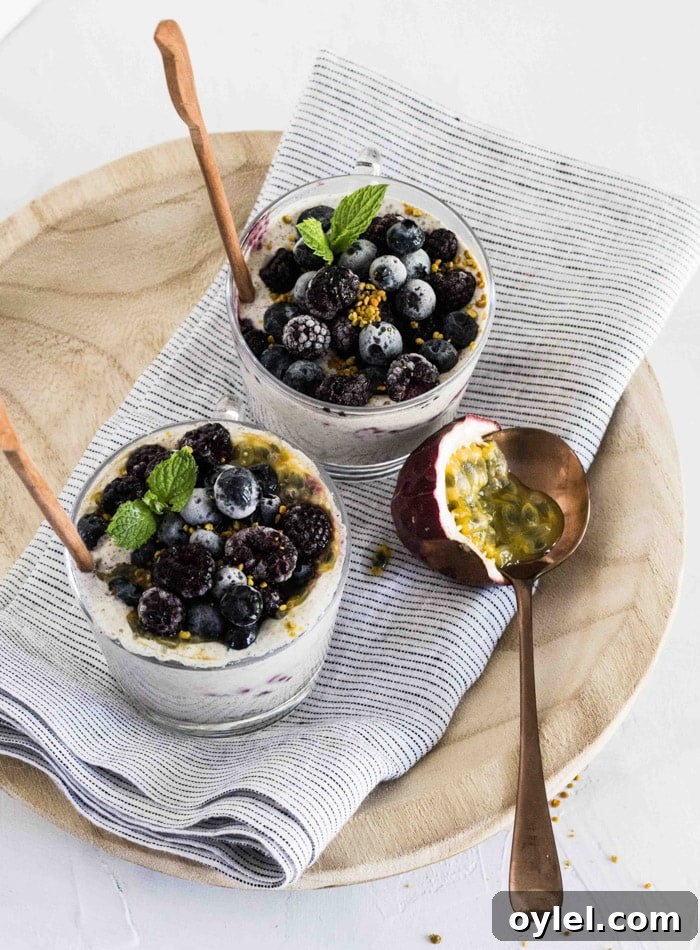
Snacks – a handful of nuts and fruit, chia pudding, a small smoothie, veggies and hummus or homemade energy bars.
Start Your Journey Today
I hope this makes the transition feel more achievable. Take small steps—one day, one meal at a time—and watch those changes compound. Health is a lifelong journey: start now, be patient, and keep going. If you have questions, seek community support, reliable recipes and trusted resources to make the process enjoyable and sustainable.
Got a question? Leave a comment and I’ll do my best to help.